Rwenzori Shrew (Ruwenzorisorex suncoides)
Introduction
The Rwenzori shrew, scientifically known as Ruwenzorisorex suncoides, is a little-known mammal species that inhabits the high-altitude regions of Central Africa. With its elusive nature and limited geographical range, this small insectivore has intrigued scientists and naturalists alike. Known for its distinctive features and unique behaviors, the Rwenzori shrew plays a vital role in the ecosystems of the montane forests where it resides. This article delves into the various aspects of the Rwenzori shrew’s life, including its physical characteristics, habitat preferences, behavior, diet, and conservation status.
Physical Description
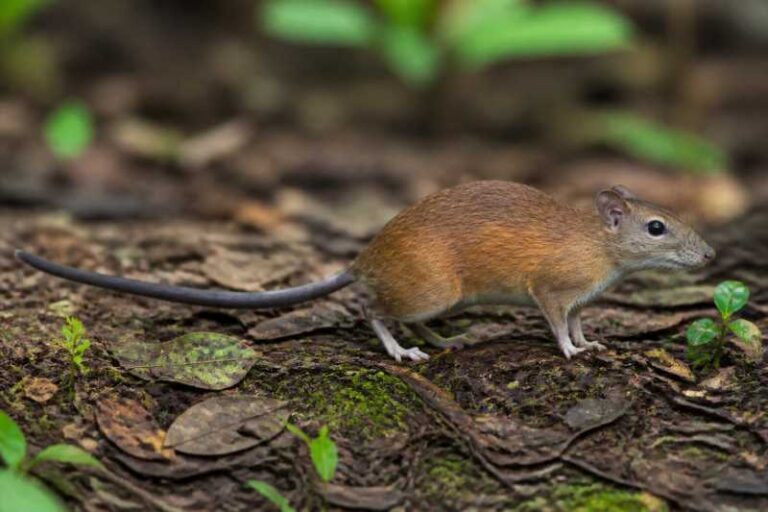
The Rwenzori shrew is a small mammal, notable for its compact and streamlined body, which is well adapted to its high-altitude habitat. Adults typically measure about 10 to 12 centimeters in length, with a tail that adds an additional 3 to 5 centimeters. The shrew’s fur is dense and soft, providing insulation against the cold temperatures of its mountainous environment. Its coloration is generally a mix of dark brown and grey, which helps it blend into the forest floor.
One of the most distinguishing features of the Rwenzori shrew is its elongated snout, which is highly sensitive and aids in the detection of prey. The shrew’s eyes are small, reflecting its reliance on other senses, such as smell and hearing, to navigate its environment and locate food. Its limbs are short, yet strong, allowing it to burrow and move swiftly through its habitat.
Range and Habitat
The Rwenzori shrew is endemic to the Rwenzori Mountains, a mountain range located on the border between Uganda and the Democratic Republic of Congo. This region, also known as the Mountains of the Moon, is characterized by its rugged terrain and diverse ecosystems, ranging from tropical rainforests to alpine meadows.
Within this range, the Rwenzori shrew inhabits montane forests and grasslands, preferring areas with dense vegetation that offer ample cover and foraging opportunities. The elevation range of these shrews is typically between 1,800 and 3,000 meters, where temperatures are cooler and conditions are relatively humid.
Behavior and Diet
As a nocturnal animal, the Rwenzori shrew is most active during the night, when it forages for food. Its diet primarily consists of insects and other small invertebrates, such as worms and larvae. The shrew’s keen sense of smell and touch, facilitated by its elongated snout, make it an adept hunter, able to detect prey hidden under leaves and soil.
The Rwenzori shrew is solitary by nature, with each individual maintaining a small territory that it defends aggressively from intruders. Communication between shrews is primarily through scent markings and vocalizations, which are used to establish dominance and attract mates during the breeding season.
Identification Tips (Field Recognition Cues)
Identifying the Rwenzori shrew in the field can be challenging due to its elusive nature and the dense vegetation of its habitat. However, there are several key characteristics to look for:
- Size and Shape: Small body size (10-12 cm) with a proportionately long tail (3-5 cm).
- Fur Color: Dark brown to grey fur, dense and soft, providing camouflage against the forest floor.
- Snout: Long and pointed, aiding in foraging and prey detection.
- Activity Pattern: Primarily nocturnal, so sightings are more likely at night.
Conservation Status (with Threats and Protections)
The conservation status of the Rwenzori shrew is currently classified as "Data Deficient" by the International Union for Conservation of Nature (IUCN). This classification highlights the lack of sufficient information on the species’ population size and trends. However, several factors threaten the survival of the Rwenzori shrew, including habitat loss and fragmentation caused by agricultural expansion and deforestation.
To protect this species, it is crucial to preserve its natural habitat in the Rwenzori Mountains. Efforts to establish and maintain protected areas, such as national parks and nature reserves, are essential in safeguarding the diverse ecosystems these shrews depend on. Additionally, further research is needed to better understand the species’ ecology and inform conservation strategies.
Frequently Asked Questions
Is the Rwenzori shrew endangered?
As of now, the Rwenzori shrew is classified as "Data Deficient" by the IUCN due to a lack of detailed information on its population. However, habitat loss poses a significant threat to its survival.
What do Rwenzori shrews eat?
Rwenzori shrews primarily feed on insects and small invertebrates. Their diet includes worms, larvae, and other small creatures they can find on the forest floor.
Where can the Rwenzori shrew be found?
The Rwenzori shrew is native to the Rwenzori Mountains, located on the border between Uganda and the Democratic Republic of Congo. It inhabits montane forests and grasslands at elevations between 1,800 and 3,000 meters.
How can one identify a Rwenzori shrew in the wild?
The Rwenzori shrew can be identified by its small size, dark brown to grey fur, elongated snout, and nocturnal activity. It is typically found in dense vegetation within its high-altitude range.
What conservation efforts exist for the Rwenzori shrew?
Conservation efforts for the Rwenzori shrew include the establishment of protected areas like national parks and nature reserves within its habitat. More research is needed to gather data on its ecology and inform conservation strategies.
Related posts