Introduction
The Black-tailed Woodrat (Neotoma melanura) is an intriguing mammal species known for its distinctive appearance and unique behaviors. Part of the rodent family, this species is renowned for its ability to adapt to various habitats, from arid deserts to semi-arid regions. These rodents play a significant role in their ecosystem as both prey and ecological engineers, contributing to the habitat structure through their nesting activities. Understanding the Black-tailed Woodrat is crucial for appreciating the biodiversity of the regions they inhabit and recognizing the ecological balance they help maintain.
Physical Description
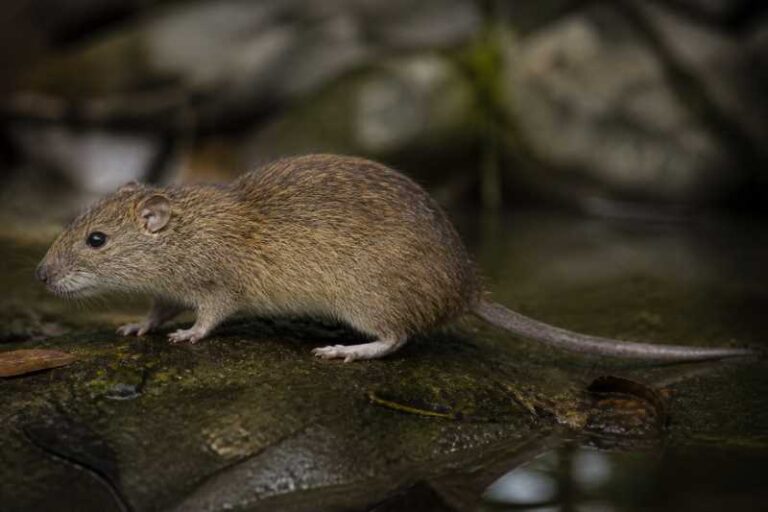
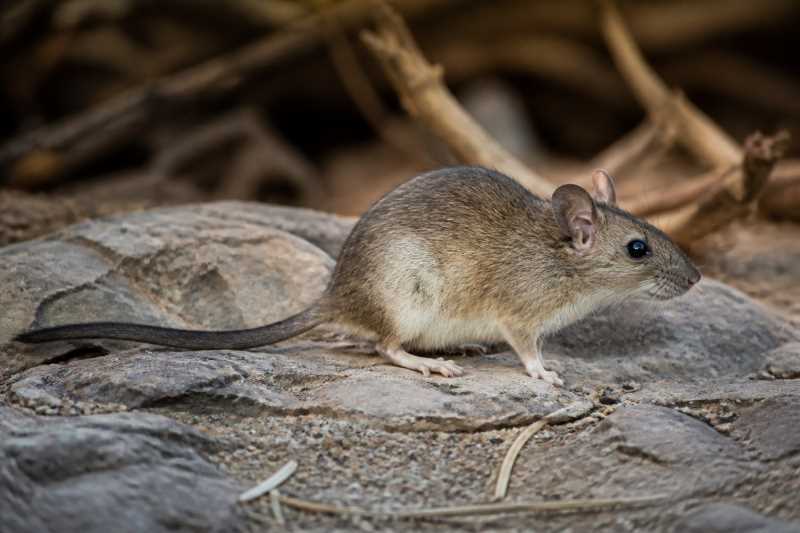
The Black-tailed Woodrat is a medium-sized rodent with a robust and compact body. The average adult measures about 30 to 40 centimeters in total length, including a tail that constitutes approximately half of this measurement. As its name suggests, the species is characterized by a distinctive black tail, which contrasts with its otherwise grayish-brown fur. This coloration provides excellent camouflage against the rocky and desert landscapes it typically inhabits.
Their fur is soft, with a paler underside that aids in temperature regulation and protection from the harsh sun. The woodrat’s large, rounded ears and prominent whiskers are adapted for enhanced sensory perception, crucial for navigating nocturnal environments. Their sharp incisor teeth are specialized for gnawing, a trait that is essential for both foraging and nesting.
Range and Habitat
The Black-tailed Woodrat is predominantly found in the southwestern United States and northern Mexico. Its range includes areas such as Arizona, New Mexico, Texas, and parts of Chihuahua. These rodents are highly adaptable and can thrive in a variety of environments, ranging from rocky deserts to grasslands and open woodlands.
Typically, they prefer habitats with ample cover, such as rocky outcrops, cliff faces, and areas with abundant vegetation. This preference helps them avoid predators and provides materials for their nests, commonly known as "middens." Middens are often constructed using sticks, rocks, and other available debris, creating intricate structures that can last for decades.
Behavior and Diet
Black-tailed Woodrats are primarily nocturnal, using the cover of darkness to forage and engage in social activities. They are solitary creatures, with each individual typically maintaining its own midden, although they may share resources in overlapping territories.
Their diet is primarily herbivorous, consisting of a variety of plant materials, including seeds, leaves, bark, and fruits. They are known for their ability to digest plant materials that are toxic to other animals, a trait that allows them to exploit a wider range of food resources. In addition, they have been observed caching food supplies for times of scarcity, demonstrating advanced foraging strategies.
Identification Tips (Field Recognition Cues)
Identifying the Black-tailed Woodrat in the field can be challenging due to its elusive nature and nocturnal habits. However, certain features and behaviors can aid in recognition:
- Tail: Look for the characteristic black tail, which is a key distinguishing feature.
- Nesting Sites: Spot their distinctive middens, which are often located near rocky outcrops or dense vegetation.
- Tracks and Droppings: Their tracks are small and round, and their droppings are pellet-like, often found near feeding sites.
- Foraging Signs: Look for gnawed branches and stripped bark, indicators of their feeding activity.
Conservation Status (with Threats and Protections)
The Black-tailed Woodrat currently holds a conservation status of Least Concern according to the International Union for Conservation of Nature (IUCN). However, this does not negate the challenges they face from habitat destruction, climate change, and human encroachment.
The primary threat to their survival is habitat loss due to urban development and agriculture. Climate change also poses a significant risk, as altered weather patterns can affect the availability of food and water resources. Despite these challenges, Black-tailed Woodrats benefit from several protected areas within their range, where conservation efforts help mitigate some of the adverse effects of human activity.
Conservation strategies include habitat preservation and restoration, as well as public education campaigns to raise awareness about the species’ ecological importance.
Frequently Asked Questions
1. What is the lifespan of a Black-tailed Woodrat?
Black-tailed Woodrats typically live for about 3 to 5 years in the wild. Their lifespan can be influenced by factors such as predation, disease, and environmental conditions.
2. How do Black-tailed Woodrats contribute to their ecosystem?
They play a crucial role as ecological engineers by constructing middens that provide habitats for other species. They also serve as prey for various predators, thus maintaining the food chain balance.
3. Are Black-tailed Woodrats solitary or social animals?
They are generally solitary, with individuals maintaining separate territories and middens. However, they may interact with neighboring woodrats during foraging or breeding seasons.
4. What adaptations do Black-tailed Woodrats have for survival?
They have developed several adaptations, including a nocturnal lifestyle to avoid predators, the construction of durable middens for shelter, and the ability to digest toxic plant materials.
5. How can one help in the conservation of Black-tailed Woodrats?
Supporting habitat preservation initiatives, participating in citizen science projects, and advocating for sustainable land-use practices are effective ways to contribute to their conservation.
Related posts