Introduction
The Sky Climbing Rat, scientifically known as Rhipidomys itoan, is a fascinating mammal species that captures the interest of biologists and wildlife enthusiasts alike. This unique rodent is part of the diverse family Cricetidae and is renowned for its arboreal lifestyle, which sees it navigating the forest canopy with remarkable agility. Despite its elusive nature, the Sky Climbing Rat plays a crucial role in its ecosystem, acting as both prey and seed disperser. This article explores the various aspects of Rhipidomys itoan, from its physical characteristics and habitat to its behavior and conservation status.
Physical Description
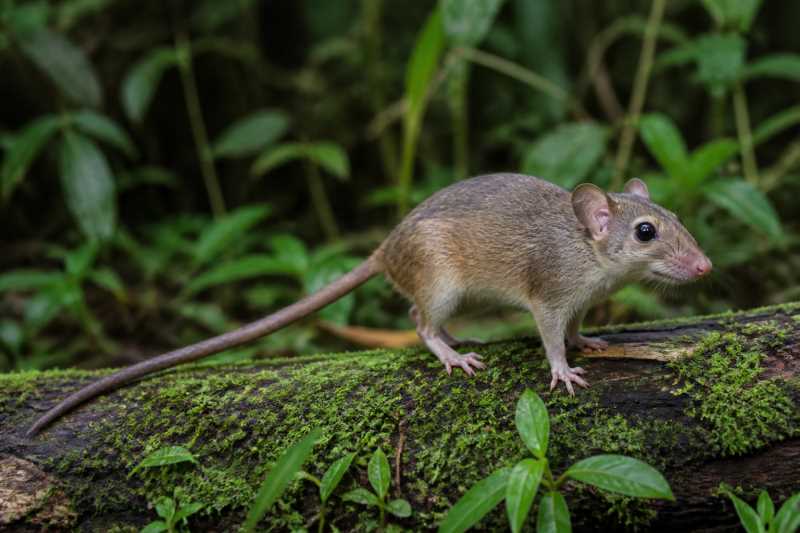
The Sky Climbing Rat is a medium-sized rodent, and like other members of the genus Rhipidomys, it exhibits several distinctive physical traits. Adult individuals typically measure between 15 to 20 cm in body length, with an equally long tail that aids in balance and navigation through the trees. Their fur is soft and dense, featuring a grayish-brown coloration on the back and a lighter cream or white underbelly. This coloration provides effective camouflage in their natural habitat, helping them avoid predators.
One of the key identifiers of the Sky Climbing Rat is its large, expressive eyes, adapted for its nocturnal lifestyle. These eyes enable excellent night vision, crucial for foraging and avoiding nocturnal predators. Additionally, their feet are equipped with sharp claws and specialized pads, allowing for a secure grip on branches and facilitating their impressive climbing abilities.
Range and Habitat
Rhipidomys itoan is primarily found in the montane forests of South America, with a range that includes parts of the Andes Mountains. These forests, characterized by high humidity and dense vegetation, provide the ideal environment for this arboreal species. The Sky Climbing Rat prefers elevations ranging from 1,000 to 3,000 meters above sea level, where it inhabits both primary and secondary forests.
The species is highly dependent on forested environments, which offer not only food resources but also shelter from predators. The canopy layer of these forests offers a rich array of fruits, seeds, and insects, which constitute the primary diet of the Sky Climbing Rat. The dense foliage also provides ample nesting sites, where these rodents can rear their young in relative safety.
Behavior and Diet
The Sky Climbing Rat is predominantly nocturnal, with most of its activities occurring during the night. This behavior helps minimize competition with diurnal species and reduces the risk of predation. During the day, Rhipidomys itoan typically rests in nests constructed from leaves and twigs, often situated in tree hollows or dense foliage.
In terms of diet, the Sky Climbing Rat is omnivorous. It feeds on a diverse array of food sources, including fruits, seeds, flowers, and insects. Its preference for fruit makes it an important seed disperser within its ecosystem, contributing to forest regeneration and biodiversity. The rat’s ability to climb and forage in the canopy allows it to access food sources that are unavailable to many ground-dwelling species.
Identification Tips (field recognition cues)
Identifying the Sky Climbing Rat in the wild can be challenging due to its nocturnal and arboreal habits. However, there are several cues that can aid in its identification:
- Size and Shape: Look for a medium-sized rodent with a long, bushy tail, which it uses for balance while navigating branches.
- Coloration: Note the grayish-brown fur on the dorsal side and the lighter, creamy underbelly. This contrast can be discernible even in low light conditions.
- Behavior: Observe any rodent activity in the canopy, particularly at night. The Sky Climbing Rat is likely to be seen moving nimbly among the branches.
- Vocalizations: Listen for high-pitched calls or rustling noises in the trees, which may indicate the presence of this species.
Conservation Status (with threats and protections)
The conservation status of the Sky Climbing Rat is currently categorized as Least Concern by the IUCN. However, this status does not mean the species faces no threats. Habitat destruction, primarily due to deforestation for agriculture and urban development, poses a significant risk to its populations. The fragmentation of forests can isolate populations, reducing genetic diversity and increasing vulnerability to environmental changes.
Conservation efforts aimed at preserving montane forest habitats are crucial for the survival of Rhipidomys itoan. Protected areas and national parks play a vital role in safeguarding these environments. Additionally, reforestation initiatives and sustainable land-use practices can help mitigate habitat loss and ensure the long-term viability of the species.
Frequently Asked Questions
Q1: What is the primary diet of the Sky Climbing Rat?
The Sky Climbing Rat is omnivorous, feeding on a variety of fruits, seeds, flowers, and insects. Its diet plays a significant role in seed dispersal, aiding in forest regeneration.
Q2: Where can the Sky Climbing Rat be found?
This species is native to the montane forests of South America, particularly within the Andes Mountains. It prefers elevations between 1,000 and 3,000 meters above sea level.
Q3: How does the Sky Climbing Rat adapt to its arboreal lifestyle?
The rat has several adaptations for life in the trees, including sharp claws, specialized foot pads for gripping branches, and a long tail for balance. Its large eyes are adapted for night vision, aiding in nocturnal foraging.
Q4: What threats does the Sky Climbing Rat face?
The primary threat to the Sky Climbing Rat is habitat destruction due to deforestation for agriculture and urbanization. Conservation efforts focus on protecting forest habitats to ensure the survival of the species.
Q5: How can the Sky Climbing Rat be identified in the wild?
Identification can be challenging, but key cues include its size, coloration, nocturnal behavior, and presence in the forest canopy. Observers may also listen for vocalizations or rustling sounds in the trees.
Related posts