Introduction
The Long-furred Atlantic Tree-rat, scientifically known as Phyllomys medius, is a captivating rodent species native to South America. This arboreal mammal is a member of the Echimyidae family, which is renowned for its diverse array of spiny rats. Known for its strikingly long fur and unique adaptations to forested environments, the Long-furred Atlantic Tree-rat is an emblematic representative of Brazil’s rich biodiversity. In this article, we will explore the various aspects of this intriguing species, from its physical characteristics and habitat preferences to its conservation status and the threats it faces in the wild.
Physical Description
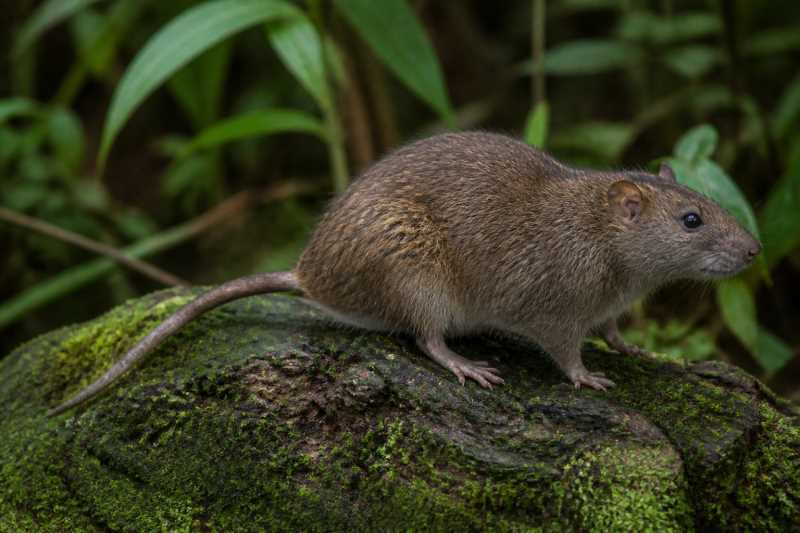
The Long-furred Atlantic Tree-rat is distinguished by its notably long, soft fur, which provides an essential layer of insulation and protection in its arboreal habitat. Its fur is typically a blend of brown and grey, allowing it to blend seamlessly into the forest canopy. Measuring between 20 and 30 cm in body length, with a tail that can extend an additional 15 to 25 cm, this medium-sized rodent is well-adapted to life in the trees. Its large, round eyes and prominent ears are indicative of its nocturnal lifestyle, facilitating enhanced night vision and acute hearing.
Range and Habitat
Phyllomys medius is endemic to the Atlantic Forest of Brazil, a biodiversity hotspot that stretches along the country’s eastern coast. This species thrives in tropical and subtropical moist broadleaf forests, where dense foliage and towering trees provide both food and shelter. The Atlantic Forest is characterized by its high levels of endemism and species diversity, making it a critical region for conservation efforts. Unfortunately, deforestation and habitat fragmentation pose significant threats to the Long-furred Atlantic Tree-rat and other inhabitants of this unique ecosystem.
Behavior and Diet
The Long-furred Atlantic Tree-rat is primarily nocturnal, spending its nights foraging for food and its days resting in tree hollows or dense foliage. Its diet consists mainly of fruits, seeds, and leaves, which are abundant in its forested habitat. This herbivorous diet not only sustains the tree-rat but also plays a crucial role in seed dispersal, contributing to the regeneration of the forest. Socially, these rodents are relatively solitary, coming together primarily for mating purposes.
Identification Tips
Field recognition of the Long-furred Atlantic Tree-rat can be challenging due to its nocturnal habits and arboreal lifestyle. However, there are several key characteristics to look for:
- Fur: Long and soft, predominantly brown and grey, providing excellent camouflage.
- Size: Medium-sized, with a body length of 20-30 cm and a tail length of 15-25 cm.
- Eyes and Ears: Large and round eyes, prominent ears, adapted for nocturnal living.
- Behavior: Nocturnal and arboreal; look for movement in the mid to upper canopy at night.
Conservation Status
The Long-furred Atlantic Tree-rat is currently listed as "Vulnerable" on the IUCN Red List. The primary threats to its survival are habitat destruction and fragmentation due to agricultural expansion, urban development, and logging in the Atlantic Forest. Conservation efforts are essential to preserve this species and its habitat. Protected areas and legal frameworks, such as Brazil’s National System of Conservation Units, play a vital role in safeguarding the remaining forest and its inhabitants. However, increased enforcement and community engagement are crucial to address these ongoing threats effectively.
Frequently Asked Questions
1. What does the Long-furred Atlantic Tree-rat eat? The Long-furred Atlantic Tree-rat primarily consumes fruits, seeds, and leaves, which are plentiful in its forest habitat. This herbivorous diet supports its role in seed dispersal, aiding forest regeneration.
2. Where can I find the Long-furred Atlantic Tree-rat? This species is native to the Atlantic Forest in Brazil. It prefers tropical and subtropical moist broadleaf forests, where it lives in the mid to upper canopy.
3. How does deforestation impact the Long-furred Atlantic Tree-rat? Deforestation leads to habitat loss and fragmentation, which are significant threats to the survival of the Long-furred Atlantic Tree-rat. Conservation efforts are critical to mitigate these impacts.
4. Is the Long-furred Atlantic Tree-rat endangered? The Long-furred Atlantic Tree-rat is classified as "Vulnerable" by the IUCN due to habitat destruction and fragmentation in the Atlantic Forest.
5. What are the unique features of the Long-furred Atlantic Tree-rat? This species is characterized by its long, soft fur, nocturnal habits, and arboreal lifestyle, making it well-adapted to the dense foliage of the Atlantic Forest.
Related posts