Introduction
The Nimba Long-fingered Bat (Miniopterus nimbae) is a fascinating yet lesser-known species of bat that inhabits parts of West Africa. This elusive mammal is a member of the Miniopteridae family, known for their long, flexible wings and unique migratory patterns. As researchers delve deeper into the ecosystems of Guinea, these bats have become a focus due to their ecological significance and the conservation challenges they face. In this article, we will explore the physical characteristics, habitat, behavior, and conservation status of the Nimba Long-fingered Bat, providing insights for enthusiasts and conservationists alike.
Physical Description
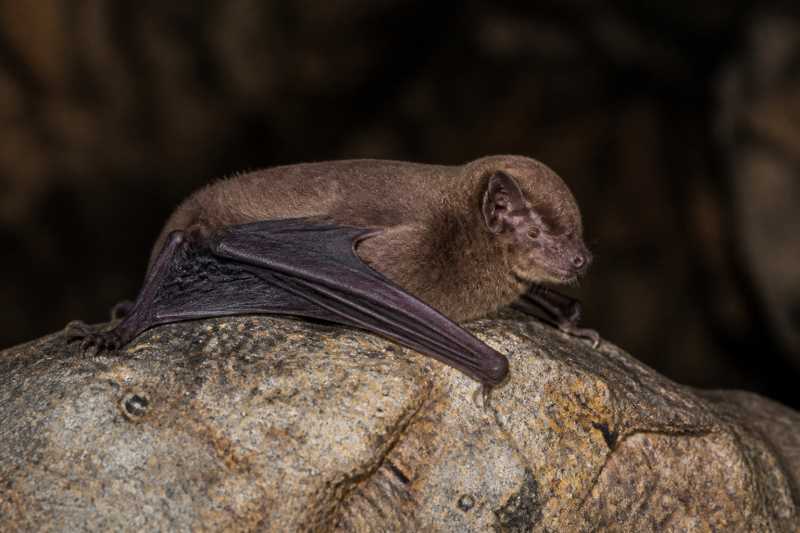
The Nimba Long-fingered Bat is a small to medium-sized bat, characterized by its elongated fingers from which it derives its name. These extended fingers support its large wings, giving it an impressive wingspan relative to its body size, which measures around 4 to 6 cm in length. The bat’s fur is typically a dark brown or blackish color, providing excellent camouflage in its natural habitat. Its ears are relatively small compared to other bat species, but they possess a keen sense of hearing essential for echolocation.
The facial structure of the Nimba Long-fingered Bat is distinct, with a slightly upturned nose and sharp, small eyes, adapted for its nocturnal lifestyle. The wings are narrow and pointed, adaptations that allow it to perform agile maneuvers in flight, essential for capturing prey and navigating through dense foliage.
Range and Habitat
The Nimba Long-fingered Bat is primarily found in the mountainous regions of West Africa, notably within the Nimba Range, which stretches across the borders of Guinea, Liberia, and Côte d’Ivoire. These bats prefer tropical and subtropical moist broadleaf forests, where they roost in caves, hollow trees, and occasionally in man-made structures.
The Nimba Range is characterized by its rich biodiversity and unique ecological conditions. The bats benefit from this habitat’s abundance of insects, their primary food source. However, the specific range is restricted, and the bats are seldom found far from these mountainous regions, making their habitat relatively limited and specialized.
Behavior and Diet
Nimba Long-fingered Bats are nocturnal creatures, emerging from their roosts at dusk to hunt. They are insectivorous, relying heavily on echolocation to detect and capture flying insects mid-air. Their diet mainly consists of moths, beetles, and other small flying insects, which are plentiful in their forest habitats.
These bats exhibit a social structure often seen in roosting colonies, ranging from a few individuals to several hundred. Such colonies are vital for breeding and protection against predators. Breeding typically occurs once a year, with females giving birth to a single pup, which they care for diligently until it is capable of flight.
Identification Tips (Field Recognition Cues)
Identifying the Nimba Long-fingered Bat in the field requires attention to several key characteristics. Observers should look for the bat’s elongated fingers and large wingspan, which are indicative of the Miniopteridae family. Additionally, their dark fur and the unique flight patterns—characterized by swift, agile movements—are distinguishing features.
Listening for their echolocation clicks, which are distinct from other species, can also aid in identification. These bats are most active at night, so evening surveys are most likely to yield sightings.
Conservation Status (With Threats and Protections)
The Nimba Long-fingered Bat is currently listed as Near Threatened on the IUCN Red List. The primary threats to this species include habitat destruction due to mining activities and deforestation in the Nimba Range. As their habitat is confined to a relatively small area, any environmental changes can have significant impacts on their populations.
Conservation efforts are underway to protect the Nimba Range, including establishing protected areas and promoting sustainable land-use practices. Organizations are also working to raise awareness of the bat’s ecological role and the importance of preserving its habitat.
Frequently Asked Questions
What is the Nimba Long-fingered Bat’s primary diet?
The Nimba Long-fingered Bat primarily feeds on insects, including moths and beetles, using echolocation to hunt during the night.
Where can I find the Nimba Long-fingered Bat?
This bat species is found in the Nimba Range of West Africa, particularly in the mountainous regions of Guinea, Liberia, and Côte d’Ivoire.
Why is the Nimba Long-fingered Bat considered Near Threatened?
The bat is considered Near Threatened due to habitat destruction from mining and deforestation, which reduces its roosting and foraging areas.
How can I identify a Nimba Long-fingered Bat?
Look for a bat with dark fur, elongated fingers, and a large wingspan. Their swift, agile flight and distinct echolocation clicks are also key indicators.
What conservation measures are in place for the Nimba Long-fingered Bat?
Conservation measures include habitat protection through the establishment of protected areas and promoting sustainable land use to mitigate mining and deforestation effects.
Related posts