Introduction
The Arizona Shrew, scientifically known as Sorex arizonae, is a small mammal that belongs to the family Soricidae. This elusive species is among the lesser-known inhabitants of the North American wilderness, making it a subject of intrigue for ecologists and naturalists alike. The Arizona Shrew is a fascinating creature, not only because of its diminutive size but also due to its specialized adaptations that allow it to thrive in its unique habitat.
Physical Description
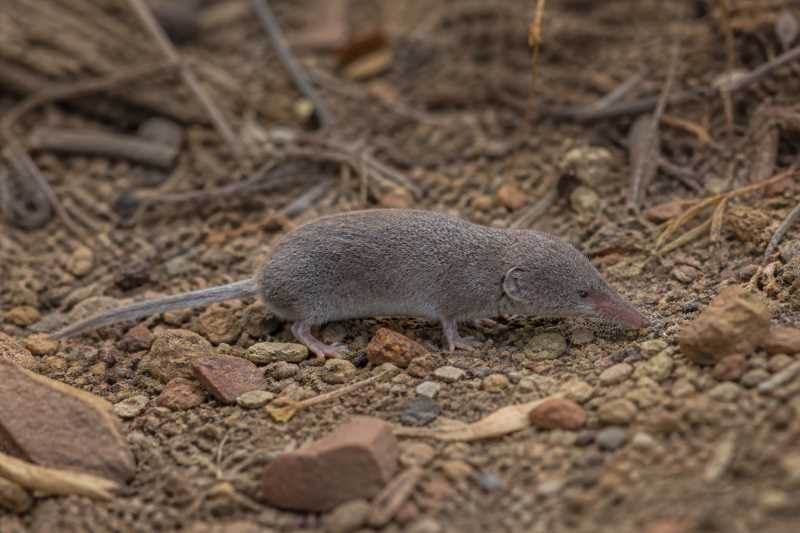
The Arizona Shrew is a tiny mammal, measuring approximately 3 to 4 inches (7.5 to 10 cm) in total length, including its tail. It typically weighs between 0.2 to 0.3 ounces (5 to 8 grams). Despite its small stature, the Arizona Shrew boasts a distinct physical appearance that aids in its identification. Its fur is generally a mix of gray and brown tones, providing effective camouflage against the earthy backdrop of its habitat.
One of the most notable features of the Arizona Shrew is its elongated snout, which is highly sensitive and assists in detecting prey. The eyes are small and beady, reflecting its nocturnal lifestyle, while its ears are rounded and covered in fine fur. The tail is relatively short and covered with fine hairs, serving as an additional sensory organ.
Range and Habitat
The Arizona Shrew is predominantly found in the southwestern United States, with its range extending into parts of northern Mexico. In the United States, it is primarily located in Arizona, New Mexico, and parts of Colorado. The species favors montane environments, particularly those with dense underbrush and ample ground cover.
This shrew is typically associated with forested areas, including pine and mixed-conifer forests, where it can find the moist, cool conditions it prefers. The presence of leaf litter, fallen logs, and dense vegetation provides the ideal environment for foraging and nesting. Elevation plays a significant role in its habitat preference, with populations often found at higher altitudes, ranging from 5,000 to 9,000 feet (1,500 to 2,700 meters) above sea level.
Behavior and Diet
The Arizona Shrew is a solitary and primarily nocturnal creature, engaging in most of its activities under the cover of darkness. Its behavior is characterized by a high metabolic rate, which necessitates frequent feeding to sustain its energy levels. This shrew is an insectivore, with a diet consisting mainly of insects, spiders, and other small invertebrates. It uses its acute sense of smell and touch to locate prey within the leaf litter and soil.
The foraging behavior of the Arizona Shrew is driven by its constant need for food, and it is known to consume up to twice its body weight in a single day. Its feeding strategy involves a combination of stealth and speed, allowing it to capture prey with swift, precise movements.
Identification Tips (Field Recognition Cues)
Identifying the Arizona Shrew in the field can be challenging due to its elusive nature and the similarity it shares with other shrew species. However, there are several key features that can aid in its identification:
- Size and Coloration: The Arizona Shrew is relatively small, with a body length of 3 to 4 inches. Its fur is a blend of gray and brown, which helps it blend into its surroundings.
- Elongated Snout: Look for the distinct, elongated snout that is a hallmark of shrew species, which it uses to sense its environment and capture prey.
- Habitat Preference: Pay attention to the habitat—Arizona Shrews are typically found in higher elevation montane forests with dense undergrowth.
- Activity Patterns: If searching for signs of the Arizona Shrew, consider its nocturnal habits and focus on areas with abundant leaf litter and cover.
Conservation Status (With Threats and Protections)
The conservation status of the Arizona Shrew is currently classified as "Least Concern" by the International Union for Conservation of Nature (IUCN). However, this does not imply that the species is free from threats. Habitat loss, primarily due to logging, land development, and climate change, poses significant challenges to its population stability.
While the Arizona Shrew has demonstrated a degree of adaptability, the fragmentation of its habitat can lead to isolated populations, which are more vulnerable to environmental changes and genetic bottlenecks. Conservation efforts focus on habitat preservation and management, ensuring that the montane ecosystems they rely on remain intact.
Frequently Asked Questions
1. What is the primary diet of the Arizona Shrew? The Arizona Shrew primarily feeds on insects and other small invertebrates. It has a high metabolic rate, requiring it to eat frequently throughout the day and night to sustain its energy levels.
2. Where can the Arizona Shrew be found? The Arizona Shrew is typically found in the southwestern United States, particularly in Arizona, New Mexico, and parts of Colorado. Its preferred habitat includes montane forests with dense undergrowth.
3. How does the Arizona Shrew adapt to its environment? The Arizona Shrew has several adaptations, including its elongated snout and acute sense of smell, which allow it to efficiently locate and capture prey. Its fur coloration aids in camouflage within its forested habitat.
4. What threats does the Arizona Shrew face? The primary threats to the Arizona Shrew include habitat loss due to logging and land development. Climate change also poses a risk by altering the montane environments it inhabits.
5. Is the Arizona Shrew nocturnal? Yes, the Arizona Shrew is primarily nocturnal, engaging in most of its foraging and other activities during the night.
Related posts