Introduction
The Ugandan White-toothed Shrew, scientifically known as Crocidura mutesae, is a small mammal species belonging to the family Soricidae. This elusive mammal is one of the lesser-known shrews native to East Africa and holds a special place in the rich tapestry of the region’s biodiversity. Despite its inconspicuous nature, the Ugandan White-toothed Shrew plays a crucial ecological role, particularly in controlling insect populations. This article delves into the various aspects of this fascinating species, providing insights into its physical characteristics, habitat preferences, behaviors, and conservation status.
Physical Description
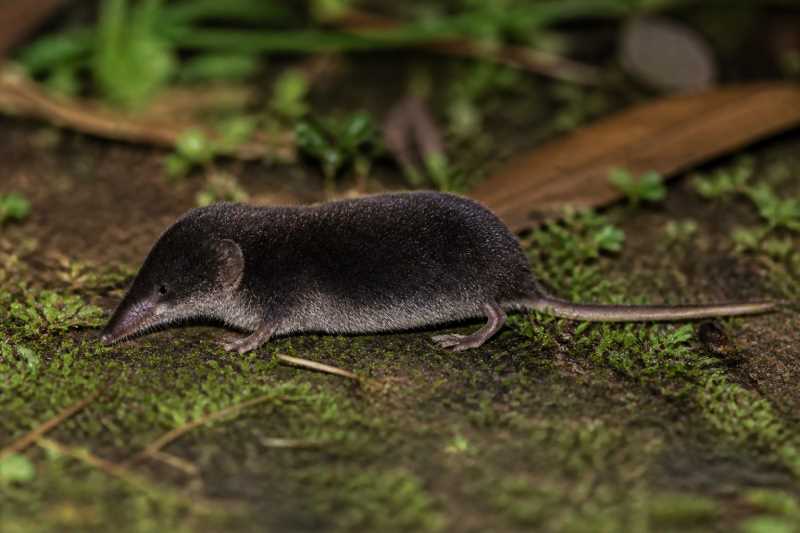
The Ugandan White-toothed Shrew is a small, delicate mammal characterized by its slender body and pointed snout. It typically measures about 60-80 mm in body length, with a tail length ranging from 40-55 mm. Weighing between 5-10 grams, it is a lightweight contender in the mammalian world. The fur is generally a uniform greyish-brown, providing excellent camouflage against the forest floor and leaf litter. As its name suggests, this shrew possesses white teeth, a distinguishing feature that sets it apart from other shrews with pigmented teeth.
The shrew’s eyes are small, and its ears are often partially hidden by its dense fur, adaptations that enhance its ability to navigate and forage in its predominantly nocturnal lifestyle. The limbs are short but strong, equipped with sharp claws that aid in digging and searching for food. The tail, although not prehensile, assists in balance and maneuverability through the dense undergrowth of its natural habitat.
Range and Habitat
The Crocidura mutesae is endemic to Uganda, with its range primarily restricted to the montane and lowland forests of the region. These forests provide the necessary cover and resources that the shrews need to thrive. The species is particularly associated with moist, shaded environments where the soil is rich in organic material, offering an abundant supply of invertebrates, their primary food source.
The shrew’s habitat is typically characterized by a dense understory, which provides ample hiding spots from predators and a suitable environment for nesting. These habitats also support a diverse array of flora and fauna, contributing to the ecological richness of the area. As a result, the Ugandan White-toothed Shrew is often found in protected areas or regions with minimal human disturbance, although habitat fragmentation poses a significant threat to its continued survival.
Behavior and Diet
- Crocidura mutesae* is primarily nocturnal, conducting most of its activities under the cover of darkness. This nocturnal lifestyle helps it avoid predators and reduces competition for food resources. The shrew is an insectivore, feeding predominantly on insects and other small invertebrates such as worms, spiders, and larvae. Its high metabolic rate necessitates frequent feeding, and it spends a significant portion of its time foraging.
The shrew employs a keen sense of smell and touch to locate its prey, often using its snout to probe into the soil and leaf litter. It is also known for its rapid movements and high energy levels, which are essential for capturing agile prey. Social interactions among these shrews are minimal, with individuals typically leading solitary lives except during the breeding season.
Reproduction involves the formation of temporary pair bonds, with females giving birth to litters of 2-4 young after a gestation period of around 20-25 days. The young are altricial, requiring significant maternal care until they are old enough to fend for themselves.
Identification Tips (field recognition cues)
Identifying the Ugandan White-toothed Shrew in the field requires attention to specific details:
- Size and Coloration: Look for a small mammal with a greyish-brown fur coat. The uniform color is a key identifier.
- Tail Length: Note the relative length of the tail to the body, often more than half the body length.
- Dentition: Spot the white teeth, although this may require closer examination.
- Behavior: Observe its rapid, erratic movements during foraging.
- Habitat: Focus on forested areas with dense undergrowth and moist soil.
Conservation Status (with threats and protections)
The conservation status of the Ugandan White-toothed Shrew is currently listed as Data Deficient by the International Union for Conservation of Nature (IUCN). This classification indicates that there is insufficient information to make a direct assessment of its risk of extinction. However, several factors threaten the species, primarily habitat loss due to deforestation, agricultural expansion, and human encroachment.
Conservation efforts for the Ugandan White-toothed Shrew include habitat protection and restoration initiatives. Some of its range overlaps with protected areas, offering a degree of safety from habitat destruction. Continued research and monitoring are essential to better understand the species’ population dynamics and ecological needs, which can inform future conservation strategies.
Frequently Asked Questions
What is the primary diet of the Ugandan White-toothed Shrew?
The Ugandan White-toothed Shrew primarily feeds on insects and other small invertebrates, including worms, spiders, and larvae. Its diet is crucial for maintaining the ecological balance by controlling insect populations.
How can I distinguish the Ugandan White-toothed Shrew from other shrews?
Key identification features include its small size, greyish-brown fur, white teeth, and habitat preference for dense, moist forested areas. Observing its rapid movements and nocturnal foraging behavior can also aid in identification.
What are the major threats to the Ugandan White-toothed Shrew?
The primary threats include habitat destruction due to deforestation, agricultural development, and human encroachment. Conservation efforts focus on habitat protection and monitoring population trends.
Is the Ugandan White-toothed Shrew endangered?
Currently, the Ugandan White-toothed Shrew is classified as Data Deficient by the IUCN, meaning there is not enough data to determine its risk of extinction. However, habitat loss remains a significant concern.
Where can I find the Ugandan White-toothed Shrew in its natural habitat?
The shrew is found in the montane and lowland forests of Uganda, particularly in areas with dense undergrowth and moist, shaded environments. Protected areas offer the best chance of observing this elusive species.
Related posts