Introduction
The Palawan Moss Shrew, scientifically known as Palawanosorex muscorum, is a captivating species of mammal endemic to the Palawan Island in the Philippines. This elusive creature has drawn the attention of researchers and nature enthusiasts due to its unique adaptations and critical role in the ecosystem of its native habitat. As a member of the family Soricidae, the Palawan Moss Shrew is part of the rich biodiversity that characterizes the island’s distinct fauna.
Physical Description
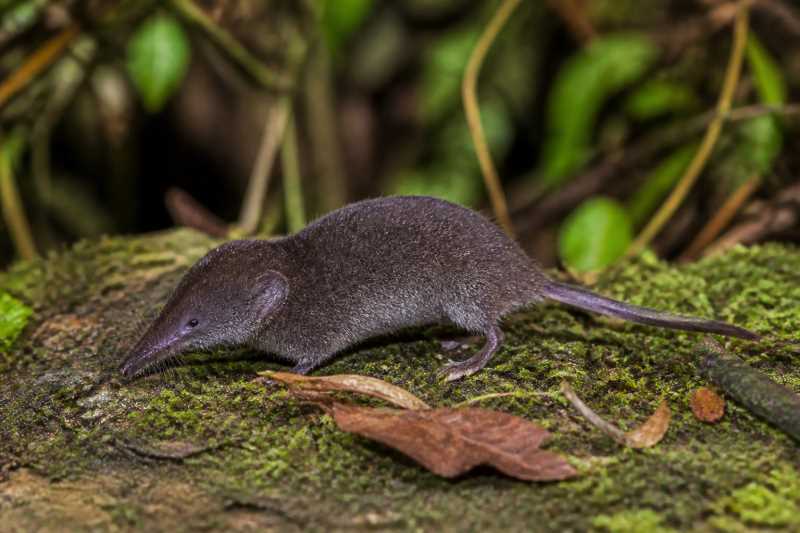
The Palawan Moss Shrew is a small, insectivorous mammal known for its slender and elongated body, which is well-adapted to its environment. It typically measures between 10 to 12 centimeters in length, with a tail that adds an additional 5 to 7 centimeters. Its fur is dense and soft, predominantly colored in shades of brown and gray, providing effective camouflage against the mossy forest floors it inhabits.
The shrew’s most distinguishing feature is its elongated snout, which is highly sensitive and aids in foraging for insects and other small invertebrates. Its small eyes and ears reflect its adaptation to a life spent mostly in the underbrush and leaf litter. The shrew’s limbs are short but strong, equipped with sharp claws that assist in digging and navigating through its dense habitat.
Range and Habitat
The Palawan Moss Shrew is endemic to Palawan, an island province in the Philippines known for its unique biodiversity and varied ecosystems. This shrew predominantly inhabits the montane and mossy forests of the island, where it thrives in the cool, moist conditions provided by the high-altitude environment.
These forests, characterized by high levels of rainfall and humidity, offer a rich supply of mosses, lichens, and other epiphytes that blanket the forest floor. The Palawan Moss Shrew plays a crucial role in this ecosystem by controlling insect populations and contributing to the nutrient cycle through its foraging activities.
Behavior and Diet
The Palawan Moss Shrew is primarily nocturnal, spending its nights searching for food and its days resting in burrows or hidden under dense foliage. Its diet consists mainly of insects, spiders, and other small invertebrates. The shrew uses its keen sense of smell and touch to locate prey in the dark, relying on its sensitive snout and whiskers to navigate and hunt effectively.
Social interactions among Palawan Moss Shrews are limited, as they are generally solitary creatures. However, during the breeding season, which typically occurs during the wetter months, shrews may be observed engaging in mating behaviors. After a gestation period of approximately 20 to 25 days, females give birth to litters of two to four young, which are weaned after three weeks.
Identification Tips (Field Recognition Cues)
Identifying the Palawan Moss Shrew in the field can be challenging due to its elusive nature and the dense habitats it occupies. However, several field recognition cues can aid in its identification:
- Size and Shape: Look for a small mammal with a slender, elongated body and a proportionally long tail.
- Fur Color: Note the dense, soft fur with brown and gray hues that blend with the forest floor.
- Snout and Whiskers: The elongated snout and prominent whiskers are distinctive features.
- Behavior: Observe nocturnal activity and foraging behavior in areas with abundant leaf litter and underbrush.
Conservation Status (With Threats and Protections)
The Palawan Moss Shrew is currently classified as "Data Deficient" by the International Union for Conservation of Nature (IUCN). This classification reflects a lack of comprehensive data on its population trends and distribution. However, it is known that the shrew faces several threats that could impact its survival.
Threats
- Habitat Loss: Deforestation and land conversion for agriculture and development pose significant risks to the shrew’s habitat.
- Climate Change: Alterations in rainfall patterns and temperature could disrupt the delicate balance of the montane ecosystems.
- Invasive Species: The introduction of non-native species can lead to competition for resources and increased predation.
Protections
Conservation efforts to protect the Palawan Moss Shrew are focused on preserving the island’s forest ecosystems. Initiatives include:
- Protected Areas: Establishing and maintaining protected areas to conserve critical habitats.
- Research and Monitoring: Conducting studies to gather data on the shrew’s ecology and population dynamics.
- Community Engagement: Involving local communities in conservation efforts to promote sustainable land-use practices.
Frequently Asked Questions
What is the habitat of the Palawan Moss Shrew?
The Palawan Moss Shrew inhabits the montane and mossy forests of Palawan Island in the Philippines. These environments provide the cool, moist conditions the shrew needs to thrive.
How does the Palawan Moss Shrew find its food?
The shrew uses its highly sensitive snout and whiskers to detect prey. It primarily feeds on insects and small invertebrates, foraging mainly at night.
Why is the Palawan Moss Shrew important to the ecosystem?
As an insectivore, the Palawan Moss Shrew helps control insect populations and contributes to the nutrient cycle within its forest habitat, making it a vital component of its ecosystem.
What are the main threats to the Palawan Moss Shrew?
The primary threats include habitat loss due to deforestation, climate change, and competition or predation from invasive species.
How can the Palawan Moss Shrew be identified in the wild?
Look for a small mammal with a slender body, dense brown and gray fur, an elongated snout, and nocturnal foraging behavior in mossy forest areas.
Related posts