Introduction
The Xochimilco Marsh Rice Rat, scientifically known as Oryzomys fulgens, is a distinctive rodent species native to the unique wetland ecosystems of Xochimilco, Mexico. This species is a member of the Cricetidae family and is known for its adaptability to aquatic environments. Despite its ecological significance, it remains one of the lesser-known species, overshadowed by the more famous inhabitants of its habitat, such as the axolotl. This article aims to shed light on the fascinating aspects of the Xochimilco Marsh Rice Rat, exploring its physical characteristics, habitat preferences, behaviors, and conservation challenges.
Physical Description
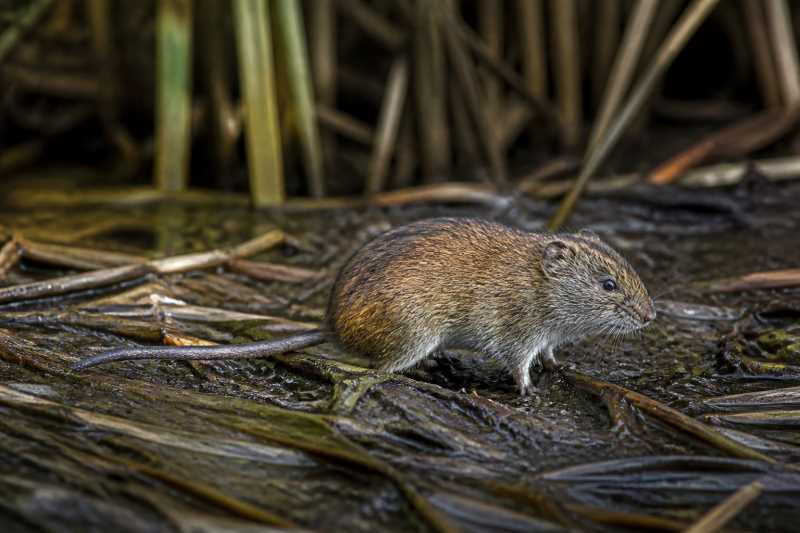
The Xochimilco Marsh Rice Rat is a small to medium-sized rodent, typically measuring between 12 to 20 centimeters in body length, excluding the tail. Its tail adds another 10 to 15 centimeters, which is often longer than its body, aiding in balance and swimming. The fur of Oryzomys fulgens is generally dense and water-resistant, an adaptation to its marshy environment, varying in color from a pale gray to brownish hues on the dorsal side, with a lighter, sometimes whitish, underbelly.
One of the notable features of this species is its relatively large, rounded ears and prominent whiskers, which are crucial for sensory navigation in its often murky habitat. The feet of the Xochimilco Marsh Rice Rat are partially webbed, an evolutionary trait that facilitates efficient swimming and foraging in aquatic settings.
Range and Habitat
The natural habitat of the Xochimilco Marsh Rice Rat is primarily confined to the Xochimilco wetlands in the Valley of Mexico. This area is characterized by a network of canals, lakes, and marshes that provide a rich, yet fragile ecosystem for a variety of flora and fauna. The wetlands are part of the larger Mexico City basin, a region that has faced significant environmental pressures due to urbanization and water management practices.
Oryzomys fulgens thrives in dense vegetation along the water margins, including reeds and grasses that offer both food and shelter. The marshes provide an ideal habitat, rich in aquatic plants and a variety of small invertebrates, which form the bulk of their diet. However, habitat destruction and pollution have significantly reduced the available habitat for this species, confining it to increasingly isolated pockets.
Behavior and Diet
The Xochimilco Marsh Rice Rat is primarily nocturnal, spending the majority of its active hours foraging at night. Its diet is omnivorous, consisting of aquatic plants, seeds, insects, and small fish, which it adeptly catches using its sharp claws and agile movements.
Socially, Oryzomys fulgens tends to be solitary, although it may be observed in small groups during peak feeding times. Communication among individuals includes a range of vocalizations and scent markings, which are essential for territory establishment and mating. During the breeding season, typically coinciding with the wet season, females construct nests from vegetation, providing a secure environment for raising their young.
Identification Tips (Field Recognition Cues)
Identifying the Xochimilco Marsh Rice Rat in the field requires careful observation of several key characteristics. First, note the habitat: these rats are almost exclusively found near water bodies within the Xochimilco wetlands. Look for their partially webbed feet and long tail when they are swimming.
The coloration and fur density are also distinguishing features. Their water-resistant fur, along with the distinctive color gradient from back to belly, helps differentiate them from similar rodent species. Observers should also listen for their vocalizations during the night, which can help in locating these elusive creatures.
Conservation Status (With Threats and Protections)
The conservation status of the Xochimilco Marsh Rice Rat is currently of concern, primarily due to habitat destruction and pollution. The IUCN Red List may not have a specific entry for this species, which often complicates direct conservation efforts. However, the broader Xochimilco wetland ecosystem is recognized for its ecological importance and faces significant threats from urban expansion, water extraction, and contamination.
Conservation efforts are focused on habitat restoration and pollution control, with initiatives aimed at preserving the delicate balance of the wetland ecosystem. Protected areas and environmental regulations play a crucial role in safeguarding the remaining habitats of Oryzomys fulgens. Public awareness campaigns and community involvement are also vital components in the conservation strategy, fostering a sustainable coexistence between human activities and wildlife preservation.
Frequently Asked Questions
Why is this species unique?
The Xochimilco Marsh Rice Rat is unique due to its specialized adaptations to an aquatic environment, including webbed feet and water-resistant fur. This specialization allows it to thrive in the wet marshes of Xochimilco, a habitat that supports a limited number of species with such aquatic adaptations.
What are the main threats to the Xochimilco Marsh Rice Rat?
The primary threats to this species include habitat destruction due to urban development, pollution from agricultural runoff and industrial waste, and competition from invasive species. These factors have led to a significant reduction in their natural habitat, threatening their survival.
How can we help conserve the Xochimilco Marsh Rice Rat?
Conservation can be supported through habitat protection and restoration efforts, pollution control, and public education about the importance of wetland ecosystems. Supporting local conservation projects and advocating for sustainable urban planning can also contribute to the protection of this species.
What role does the Xochimilco Marsh Rice Rat play in its ecosystem?
As both a prey and predator, the Xochimilco Marsh Rice Rat plays a crucial role in the wetland ecosystem. It helps control insect populations and serves as a food source for larger predators, maintaining the ecological balance within its habitat.
Related posts