The Moustached Antpitta: A Hidden Gem of the Andean Forests
Nestled within the dense and often impenetrable forests of the Andes lies the Moustached Antpitta (Grallaria alleni), a bird shrouded in mystery and allure. Known for its elusive nature and distinctive appearance, this species is a compelling subject for ornithologists and bird enthusiasts alike. With its vibrant plumage and unique vocalizations, the Moustached Antpitta is a testament to the rich biodiversity of its native habitat.
Habitat and Distribution
The Moustached Antpitta is primarily found in the subtropical and tropical moist montane forests of Colombia and Ecuador. These forests, characterized by their high humidity and rich vegetation, provide the perfect environment for this ground-dwelling bird. The altitudinal range of the Moustached Antpitta typically spans from 1,600 to 2,600 meters, where it thrives in the understory of these lush forests.
Despite its relatively broad range, the Moustached Antpitta is rarely seen, partly due to its preference for dense forest floors where it forages amidst the leaf litter. Its elusive behavior, combined with the challenging terrain of its habitat, makes sightings of this bird a rare and cherished event for birdwatchers.
Physical Characteristics
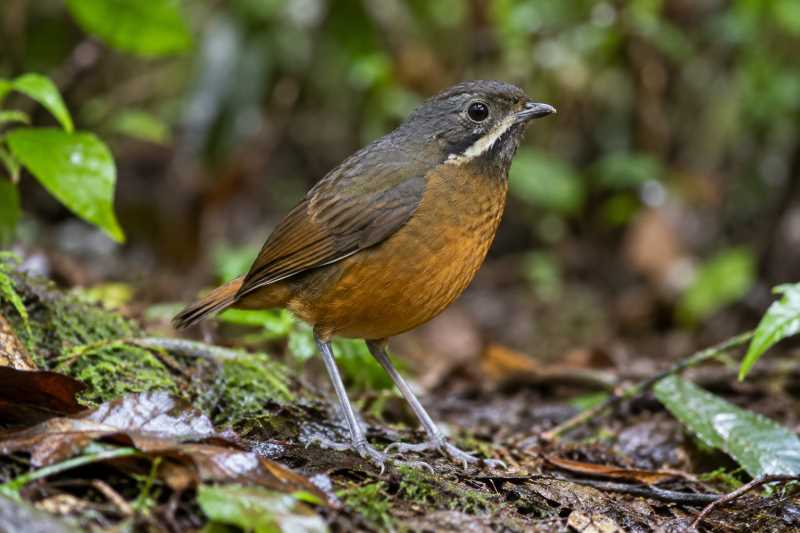
The Moustached Antpitta is a medium-sized bird, measuring approximately 18 to 20 centimeters in length. It is renowned for its distinctive facial markings, which give it its name. The "moustache" refers to the white, crescent-shaped streaks that extend from its beak, resembling a curled mustache. This striking feature, combined with its olive-brown upperparts and rufous underparts, provides the bird with excellent camouflage against the forest floor.
Its stout body, coupled with strong legs, is perfectly adapted for its terrestrial lifestyle. The bird’s large, dark eyes are a notable feature, aiding in foraging under the dim canopy and adding to its enigmatic appearance.
Behavior and Diet
The Moustached Antpitta is a solitary and secretive bird, often heard rather than seen. Its call, a series of melodious whistles, resonates through the forest, marking its presence. This vocalization plays a crucial role in communication, especially during the breeding season when males establish territories and attract mates.
In terms of diet, the Moustached Antpitta primarily feeds on invertebrates, such as insects and worms, which it forages from the forest floor. Its robust bill is well-suited for probing through leaf litter in search of prey. Occasionally, it may consume small vertebrates and fruits, showcasing its opportunistic feeding habits.
Conservation Status
The conservation status of the Moustached Antpitta is currently listed as Least Concern by the International Union for Conservation of Nature (IUCN). However, this does not imply that the species is free from threats. Habitat destruction, primarily due to deforestation for agriculture and urban development, poses a significant risk to its population.
Conservation efforts are crucial to preserving the natural habitats of the Moustached Antpitta. Protected areas, such as national parks and reserves in Colombia and Ecuador, play a pivotal role in safeguarding the biodiversity of these regions. Additionally, community-based conservation initiatives that involve local populations in habitat preservation have shown promise in mitigating habitat loss.
Ecotourism and its Impact
The allure of the Moustached Antpitta has contributed to the growth of ecotourism in its native regions. Birdwatchers and naturalists from around the world visit Colombia and Ecuador to catch a glimpse of this elusive bird. Ecotourism, when managed sustainably, can significantly aid conservation efforts by generating revenue that can be reinvested into habitat preservation and providing alternative livelihoods for local communities.
It is imperative, however, that ecotourism practices are conducted responsibly to minimize disturbance to the natural habitats and behaviors of the wildlife involved. This includes adhering to guidelines that limit the number of visitors and ensuring that tourism infrastructure does not encroach on critical habitats.
Conclusion
The Moustached Antpitta is more than just an avian curiosity; it is a symbol of the rich and diverse ecosystems of the Andean forests. Its presence is a reminder of the intricate balance of nature and the importance of conservation in maintaining this balance. As efforts continue to study and protect this elusive bird, the Moustached Antpitta serves as an ambassador for the countless species that call these forests home.
By fostering a deeper understanding and appreciation for the Moustached Antpitta, we can ensure that future generations will have the opportunity to experience the wonder of this remarkable bird in its natural habitat.
Related posts