Introduction
The Amazon Hog-nosed Skunk, scientifically known as Conepatus amazonicus, is a fascinating mammal species native to South America. This unique skunk is part of the Mephitidae family, which includes other skunk species known for their characteristic ability to spray a potent odor as a defense mechanism. Despite its intriguing nature, the Amazon Hog-nosed Skunk is relatively understudied compared to its North American relatives. This article will delve into the various aspects of the Amazon Hog-nosed Skunk, providing insights into its physical attributes, habitat, behavior, and more.
Physical Description
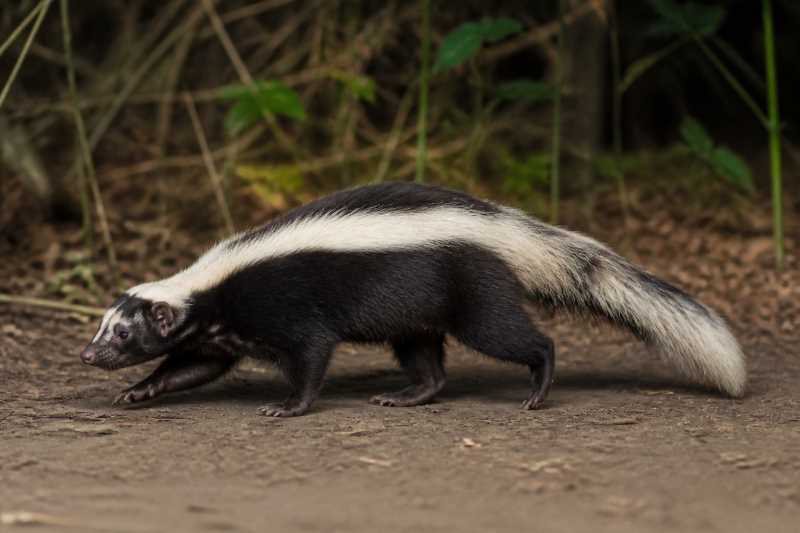
The Amazon Hog-nosed Skunk is distinguished by its robust and somewhat stocky body, which is typically covered in a coat of coarse fur. The fur is predominantly black, with a distinctive white stripe running from the top of the head to the tail, a common feature among skunks. As its name suggests, one of the most notable physical traits of this species is its hog-like nose. This unique adaptation helps the skunk in foraging for food, as it allows the animal to root through the underbrush and soil.
The skunk’s body length ranges from 45 to 70 centimeters, with the tail adding an additional 15 to 30 centimeters. Adult individuals typically weigh between 1.5 to 4 kilograms. Their short, sturdy legs are equipped with sharp claws, making them efficient diggers. The eyes of the Amazon Hog-nosed Skunk are relatively small, indicating a reliance on other senses such as smell and hearing.
Range and Habitat
The Amazon Hog-nosed Skunk is primarily found in the Amazon Basin, which encompasses several South American countries, including Brazil, Peru, Bolivia, and Colombia. This region is characterized by its vast and diverse rainforests, which provide an ideal habitat for the skunk.
These skunks thrive in a variety of environments within the Amazon, including tropical rainforests, savannas, and even areas of secondary growth where human activity has altered the landscape. They are versatile in their choice of habitat, often dwelling near water sources such as rivers and streams. The dense vegetation of the rainforest provides ample cover and foraging opportunities, making it an ideal environment for the Amazon Hog-nosed Skunk.
Behavior and Diet
The Amazon Hog-nosed Skunk is predominantly nocturnal, spending the majority of daylight hours resting in burrows or sheltered areas. This nocturnal behavior helps the skunk avoid predators and the heat of the day. When active, these skunks are solitary creatures, although they may occasionally be seen foraging in pairs or small groups.
Their diet is omnivorous, consisting of a wide variety of food sources available within the rainforest. They feed on insects, small vertebrates, fruits, and plant matter. Their keen sense of smell and digging ability assist them in locating food beneath the leaf litter and soil. Occasionally, they may prey on small mammals and birds if the opportunity arises.
Identification Tips (Field Recognition Cues)
Identifying the Amazon Hog-nosed Skunk in the wild can be an exciting challenge for wildlife enthusiasts. Here are some tips to help recognize this unique species:
- Distinctive Stripe: Look for the characteristic white stripe running along the skunk’s back, which is a clear indicator of its identity.
- Hog-like Nose: Note the unusual, upturned snout that resembles a hog’s nose, setting it apart from other skunk species.
- Body Size and Shape: Observe the stocky body and relatively short limbs, which are indicative of the Amazon Hog-nosed Skunk.
- Nocturnal Activity: Skunks are primarily active at night, so sightings are more likely during dusk or dawn.
- Odor: If you detect a strong, musky odor, it may indicate the presence of a skunk nearby, as they use their scent as a defense mechanism.
Conservation Status (With Threats and Protections)
The conservation status of the Amazon Hog-nosed Skunk is currently classified as "Least Concern" by the International Union for Conservation of Nature (IUCN). However, this does not imply that the species is free from threats. Deforestation due to agriculture, logging, and urban expansion poses significant risks to their habitat, leading to habitat fragmentation and loss.
In addition to habitat destruction, the Amazon Hog-nosed Skunk faces threats from hunting and road mortality. They are occasionally hunted by local communities for their fur and meat, although this is not widespread. Roads that cut through their habitat increase the risk of vehicle collisions, posing an additional threat to their population.
Conservation efforts are focused on habitat preservation and the implementation of sustainable land-use practices. Protected areas within the Amazon Basin play a crucial role in safeguarding the environment for the Amazon Hog-nosed Skunk and countless other species.
Frequently Asked Questions
How can I differentiate between the Amazon Hog-nosed Skunk and other skunk species?
The Amazon Hog-nosed Skunk can be distinguished by its unique hog-like nose and the white stripe running along its back. Additionally, its size and habitat preferences can help differentiate it from other skunk species.
What time of day is best for observing the Amazon Hog-nosed Skunk?
The Amazon Hog-nosed Skunk is primarily nocturnal, so the best time for observation is during dusk or dawn when they are most active.
Are Amazon Hog-nosed Skunks dangerous to humans?
While they can spray a potent odor as a defense mechanism, Amazon Hog-nosed Skunks are generally not dangerous to humans if left undisturbed. They prefer to avoid confrontation.
What is the primary diet of the Amazon Hog-nosed Skunk?
Their diet is omnivorous, primarily consisting of insects, small vertebrates, fruits, and plant matter found within their rainforest habitat.
What are the main threats to the Amazon Hog-nosed Skunk?
The main threats include habitat loss due to deforestation, hunting, and road mortality. Conservation efforts aim to address these issues through habitat protection and sustainable practices.
Related posts