Introduction
The Rigid-spined Atlantic Spiny-rat, known scientifically as Trinomys paratus, is a captivating rodent species belonging to the family Echimyidae. This species is endemic to the Atlantic Forest biome in Brazil, a region known for its rich biodiversity and high levels of endemism. The Rigid-spined Atlantic Spiny-rat plays a crucial role in its ecosystem, contributing to seed dispersal and serving as prey for various predators. This article delves into the fascinating aspects of Trinomys paratus, from its physical characteristics to its ecological importance.
Physical Description
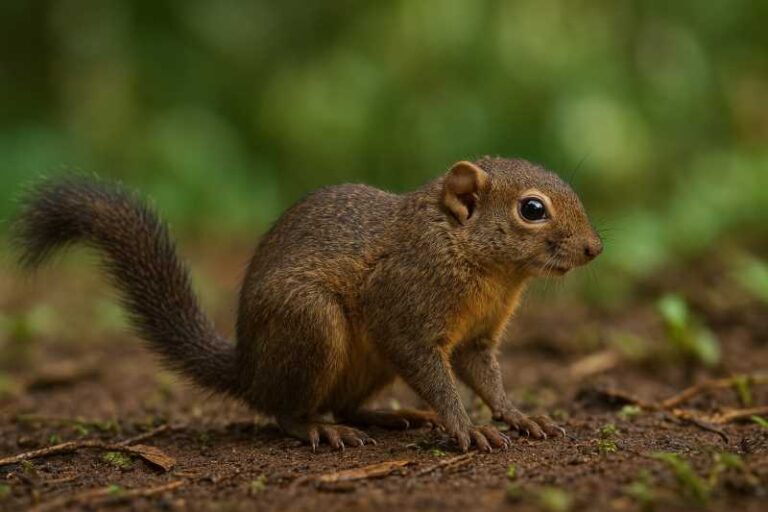
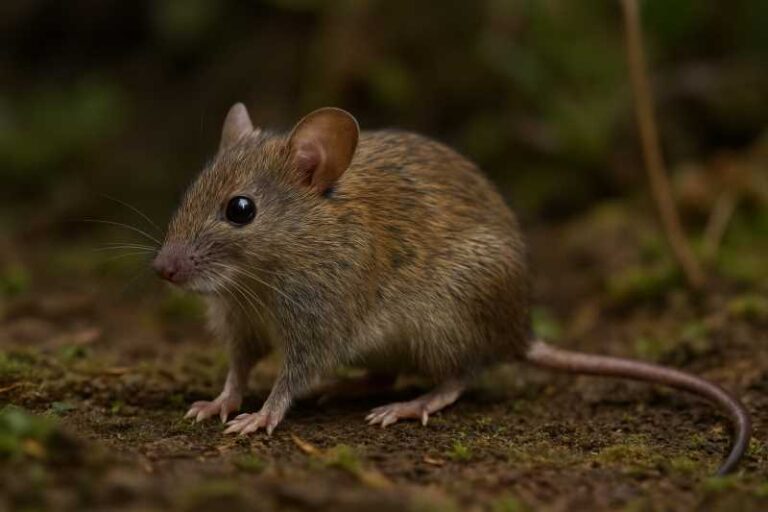
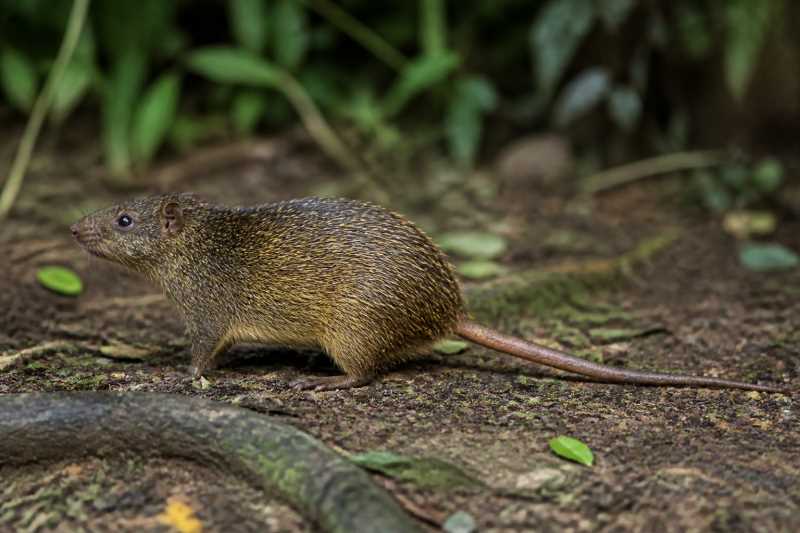
Trinomys paratus is characterized by its distinctive spiny fur, which serves as a defense mechanism against predators. The dorsal fur is typically a mix of brown and gray shades, providing camouflage within its forest habitat. The ventral side is lighter, often white or cream-colored. This species has a robust body, with an average length ranging from 20 to 25 centimeters, excluding the tail, which can add an additional 15 to 20 centimeters.
The spines, or quills, are rigid and sharp, offering protection by deterring predators. These quills are interspersed with softer fur, giving the rodent its unique texture and appearance. The Rigid-spined Atlantic Spiny-rat possesses large, rounded ears and a relatively long snout, which aid in its keen sense of hearing and smell, essential for detecting food and avoiding danger.
Range and Habitat
The Rigid-spined Atlantic Spiny-rat is native to the Atlantic Forest of Brazil, a region stretching along the Atlantic coast from the northeastern to the southern parts of the country. This habitat is characterized by dense, humid forests with a rich diversity of plant and animal life. The Atlantic Forest is one of the most threatened biomes globally, with only about 15% of its original cover remaining due to deforestation and urbanization.
Within this biome, Trinomys paratus prefers the understory of primary and secondary forests, where it can easily find food and shelter. The species is also known to inhabit areas near water bodies, which provide additional resources and cover. The Rigid-spined Atlantic Spiny-rat is adapted to a terrestrial lifestyle, though it is capable of climbing when necessary.
Behavior and Diet
Trinomys paratus is primarily nocturnal, emerging at dusk to forage for food. Its diet consists mainly of seeds, fruits, and leaves, but it may also consume insects and small invertebrates. This varied diet helps it thrive in the changing conditions of the Atlantic Forest.
The Rigid-spined Atlantic Spiny-rat is solitary by nature, with individuals maintaining distinct territories. These territories are marked by scent markings, which serve as a form of communication among individuals. The species is also known for its vocalizations, which include a range of sounds used in mating calls and territorial disputes.
Breeding occurs throughout the year, with a peak during the wet season when food availability is higher. Females give birth to litters of one to three young, which are weaned after a few weeks. The young are born relatively well-developed, with open eyes and the ability to follow their mother shortly after birth.
Identification Tips (Field Recognition Cues)
Identifying the Rigid-spined Atlantic Spiny-rat in the wild can be challenging due to its elusive nature and nocturnal habits. However, there are several key features to look for:
- Spiny Fur: Look for the distinctive spines interspersed with softer fur on the dorsal side.
- Coloration: Note the brown and gray mix on the back and lighter underbelly.
- Size: Consider the overall size, with a body length of 20-25 cm and a tail adding another 15-20 cm.
- Habitat: Focus on dense forest understories, particularly in areas near water bodies.
Conservation Status (With Threats and Protections)
The conservation status of the Rigid-spined Atlantic Spiny-rat is currently classified as "Least Concern" by the IUCN Red List. However, this does not imply that the species faces no threats. Habitat destruction due to deforestation, agriculture, and urban expansion poses significant challenges to its survival.
Efforts to conserve the Atlantic Forest are crucial for the protection of Trinomys paratus and countless other species. Protected areas and reserves have been established to safeguard critical habitats, and reforestation projects aim to restore degraded areas. Additionally, environmental education and sustainable land-use practices are vital components in reducing human impact on this fragile ecosystem.
Frequently Asked Questions
Why is this species unique?
The Rigid-spined Atlantic Spiny-rat is unique due to its adaptation to the specific conditions of the Atlantic Forest, including its spiny fur, which offers protection, and its solitary, nocturnal habits. Its role in seed dispersal highlights its ecological importance.
What threats does the Rigid-spined Atlantic Spiny-rat face?
The primary threats include habitat destruction caused by deforestation and urbanization. Although classified as "Least Concern," ongoing habitat loss could impact population numbers in the future.
How does the Rigid-spined Atlantic Spiny-rat contribute to its ecosystem?
As a seed disperser, Trinomys paratus plays a crucial role in maintaining the health and diversity of the Atlantic Forest. Its feeding habits help control plant populations and contribute to forest regeneration.
Are there any specific conservation measures in place for this species?
While there are no species-specific measures, the protection of the Atlantic Forest through reserves and reforestation projects indirectly benefits the Rigid-spined Atlantic Spiny-rat by preserving its natural habitat.
How can I help in the conservation of the Atlantic Forest and its species?
Supporting conservation organizations, promoting sustainable forestry practices, and raising awareness about the importance of the Atlantic Forest are effective ways to contribute to the preservation of this vital ecosystem.
Related posts