Introduction
The Mexican Prairie Dog (Cynomys mexicanus) is a fascinating and unique species that plays a vital role in its ecosystem. This social and industrious mammal is endemic to Mexico, where it inhabits a limited range of grasslands. As a keystone species, the Mexican Prairie Dog contributes significantly to the biodiversity of its habitat, influencing both the physical environment and the diversity of other species. Understanding the Mexican Prairie Dog’s characteristics, behavior, and conservation status is crucial for ensuring its continued survival.
Physical Description
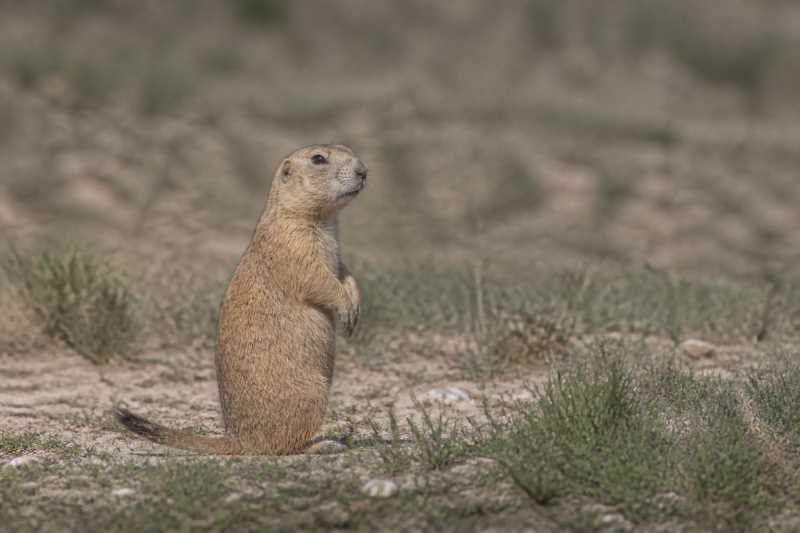
The Mexican Prairie Dog is a small, burrowing rodent characterized by its robust body and distinctive features. Adults typically weigh between 0.5 to 1.4 kilograms (1 to 3 pounds) and measure about 35 to 45 centimeters (14 to 18 inches) in length, including their short, bushy tail. Their fur is generally a tawny or cinnamon color, providing excellent camouflage against the dry grasslands. The tail is tipped with black, a feature that helps differentiate them from other prairie dog species. Their short legs and long claws are perfectly adapted for digging, enabling them to create extensive burrow systems that serve as homes, nurseries, and protection from predators.
Range and Habitat
The Mexican Prairie Dog is found exclusively in the northern and central highlands of Mexico, primarily within the states of Coahuila, Nuevo León, and San Luis Potosí. These regions are characterized by semi-arid grasslands that provide the open spaces and grasses that prairie dogs need to thrive. The species prefers areas with well-drained, loose soils that facilitate the construction of their intricate burrow networks. These burrows are essential not only for shelter but also for regulating temperature and humidity, crucial in the extreme climate of the Mexican highlands.
Behavior and Diet
Mexican Prairie Dogs are highly social animals, living in colonies that can include hundreds of individuals. These colonies are structured into family groups known as coteries, consisting of one or two males, several females, and their young. Communication within and between coteries is sophisticated, involving a range of vocalizations and body language. Their most famous vocalization is a bark-like call used to alert the colony to predators.
In terms of diet, Mexican Prairie Dogs are primarily herbivores. They feed on a variety of grasses, seeds, and herbs, which constitute their diet throughout the year. Their foraging activities play a critical role in maintaining the health of the grasslands, as they help to aerate the soil and disperse seeds, promoting plant growth and diversity.
Identification Tips
Identifying the Mexican Prairie Dog in the field requires attention to several key features:
- Coloration and Size: Look for their tawny fur and black-tipped tail, which help distinguish them from other species.
- Habitat: They are generally found in open grasslands with visible burrow systems.
- Vocalizations: Listen for their distinctive bark-like call, especially if you suspect a colony is nearby.
- Activity Patterns: They are diurnal, most active during the cooler parts of the day.
Conservation Status
The Mexican Prairie Dog is currently listed as an endangered species by the International Union for Conservation of Nature (IUCN). The primary threats to their survival include habitat destruction due to agricultural expansion, urban development, and livestock grazing. These activities have significantly reduced their natural habitat, leading to population fragmentation and decline.
Conservation efforts are focused on habitat protection and restoration, as well as legal protection measures to prevent further loss. National and international organizations are working to establish protected areas and promote sustainable land use practices that benefit both prairie dogs and local human communities.
Frequently Asked Questions
What is the lifespan of a Mexican Prairie Dog?
Mexican Prairie Dogs typically live for about 3 to 5 years in the wild. However, under optimal conditions, they can live up to 8 years. Their lifespan is influenced by environmental factors, predation, and food availability.
How do Mexican Prairie Dogs affect their ecosystem?
As a keystone species, Mexican Prairie Dogs have a profound impact on their ecosystem. Their burrowing activities aerate the soil, improving water penetration and promoting plant growth. Additionally, their presence provides habitat and food for a variety of other species, including insects, birds, and mammals.
Are Mexican Prairie Dogs aggressive?
Mexican Prairie Dogs are generally not aggressive towards humans. However, they can be territorial and exhibit defensive behaviors when threatened. Within their colonies, they maintain complex social structures and communicate through vocalizations to manage potential conflicts.
How can I help conserve the Mexican Prairie Dog?
Supporting conservation organizations that focus on habitat protection and restoration is a significant way to help. Additionally, advocating for sustainable land-use practices and educating others about the importance of preserving this species and its habitat can make a difference.
Related posts