Schmidly’s Deermouse (Habromys schmidlyi): A Comprehensive Guide
Introduction
Schmidly’s Deermouse, scientifically known as Habromys schmidlyi, is a species of rodent that belongs to the family Cricetidae. This relatively rare and enigmatic species is primarily found in the mountainous regions of Mexico. Named in honor of Dr. David J. Schmidly, a renowned mammalogist who contributed significantly to the study of rodents, Schmidly’s Deermouse is an intriguing subject for researchers and wildlife enthusiasts alike. This article delves into the fascinating world of Schmidly’s Deermouse, exploring its physical characteristics, habitat, behavior, and conservation status.
Physical Description
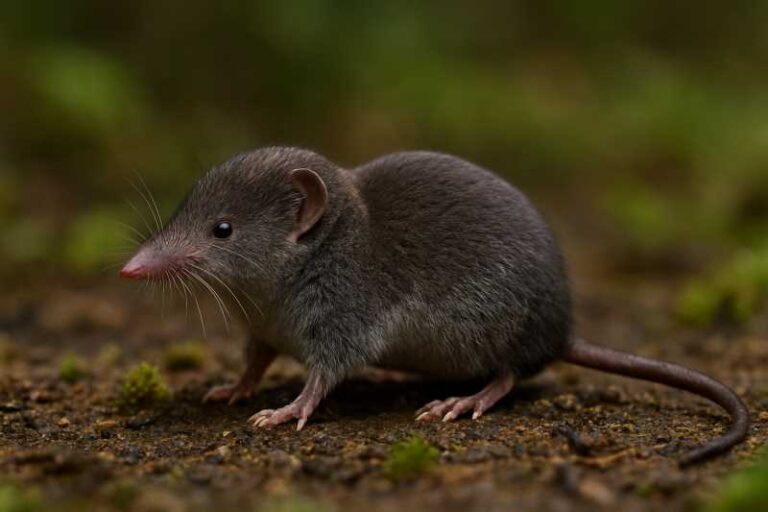
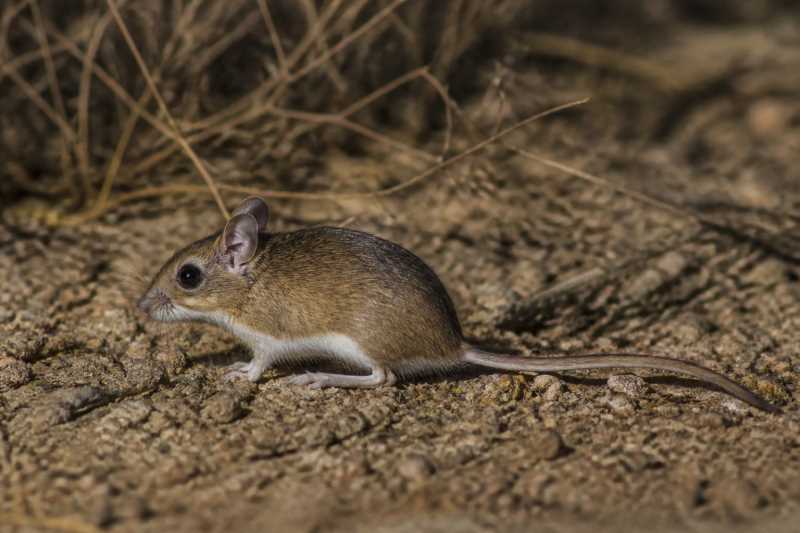
Schmidly’s Deermouse is a small to medium-sized rodent, with a body length ranging from 7 to 10 centimeters and a tail that is slightly longer than its body. The species is characterized by its soft fur, which is typically a mix of gray and brown on the dorsal side, providing excellent camouflage against the forest floor. The ventral side is usually lighter, often white or cream-colored. Its large, round ears and prominent whiskers are adaptations that enhance its sensory perception, crucial for navigating its environment and avoiding predators. The tail is bicolored, dark on top and light beneath, and is covered with short fur.
Range and Habitat
Schmidly’s Deermouse is endemic to Mexico, with its range largely confined to the Sierra Madre Oriental and Sierra Madre del Sur mountain ranges. The species thrives in montane cloud forests, preferring elevations between 1,500 to 3,000 meters. These habitats are characterized by high humidity, dense vegetation, and a canopy that provides cover from aerial predators. Schmidly’s Deermouse is a nocturnal creature, and its activity patterns are closely linked to the availability of food and the need to avoid predators.
Behavior and Diet
As a nocturnal rodent, Schmidly’s Deermouse is primarily active during the night. It is an omnivorous species, with a diet that includes seeds, fruits, insects, and other small invertebrates. This varied diet allows it to adapt to seasonal changes in food availability. Schmidly’s Deermouse is a solitary animal, with individuals coming together only during the breeding season. Its home range is typically small, and it relies on its acute sense of smell and hearing to locate food and detect threats.
Identification Tips (Field Recognition Cues)
Identifying Schmidly’s Deermouse in the field requires attention to several key characteristics:
- Size and Shape: Look for a small rodent with a body length of 7-10 cm and a slightly longer tail.
- Fur Coloration: Note the gray-brown dorsal fur and lighter ventral side.
- Ears and Whiskers: Large, round ears and prominent whiskers are distinctive features.
- Tail: A bicolored tail, dark on top and light underneath, is a significant identifying trait.
- Habitat: Presence in montane cloud forests at elevations between 1,500 to 3,000 meters.
Conservation Status (with Threats and Protections)
Schmidly’s Deermouse is currently listed as "Endangered" on the IUCN Red List of Threatened Species. The primary threats to its survival include habitat destruction due to logging, agricultural expansion, and infrastructure development. Climate change also poses a significant risk, altering the delicate balance of its montane cloud forest habitat. Conservation efforts are focused on habitat protection and restoration, with various natural reserves established in Mexico to safeguard critical areas. Continued research and monitoring are essential to better understand the species’ ecology and to develop effective conservation strategies.
Frequently Asked Questions
1. What does Schmidly’s Deermouse eat? Schmidly’s Deermouse has an omnivorous diet, consuming seeds, fruits, insects, and small invertebrates. This dietary flexibility allows it to adapt to seasonal changes in food availability.
2. Where can Schmidly’s Deermouse be found? This species is found in the mountainous regions of Mexico, specifically in the Sierra Madre Oriental and Sierra Madre del Sur ranges, within montane cloud forests at elevations of 1,500 to 3,000 meters.
3. Why is Schmidly’s Deermouse endangered? Schmidly’s Deermouse is endangered due to habitat destruction from logging, agriculture, and infrastructure development, as well as the impacts of climate change on its montane cloud forest habitat.
4. How can I identify Schmidly’s Deermouse in the wild? Key identification features include its small size, gray-brown dorsal fur, lighter ventral fur, large ears, prominent whiskers, and a bicolored tail. It is typically found in montane cloud forests at specific elevations.
5. What conservation efforts are in place for Schmidly’s Deermouse? Conservation efforts focus on habitat protection and restoration, with the establishment of natural reserves in Mexico. Ongoing research and monitoring aim to enhance understanding of the species and inform conservation strategies.
Related posts