Distinguished Oldfield Mouse (Thomasomys notatus)
Introduction
The Distinguished Oldfield Mouse, scientifically known as Thomasomys notatus, is a fascinating species of rodent that belongs to the family Cricetidae. This species is a part of the diverse genus Thomasomys, which is primarily found in the Andean region of South America. Despite its relatively obscure status in the world of mammals, the Distinguished Oldfield Mouse plays a crucial role in its ecosystem. This article delves into the intricate details of this species, covering its physical description, range and habitat, behavior and diet, identification tips, conservation status, and answers to frequently asked questions.
Physical Description
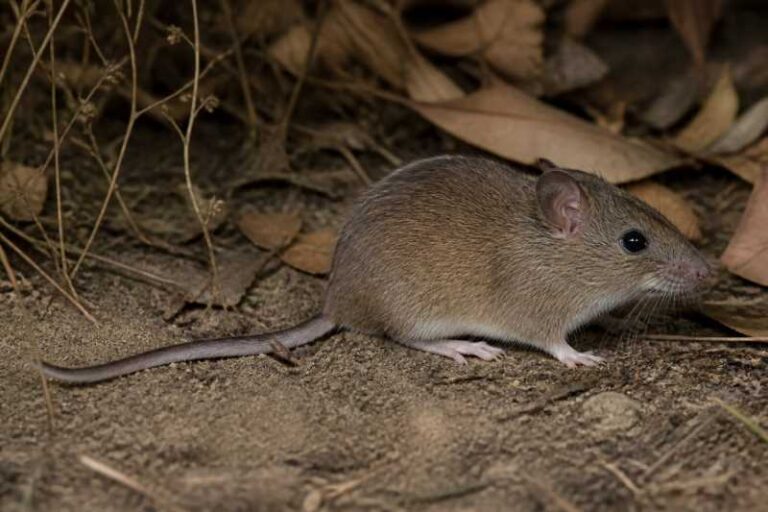
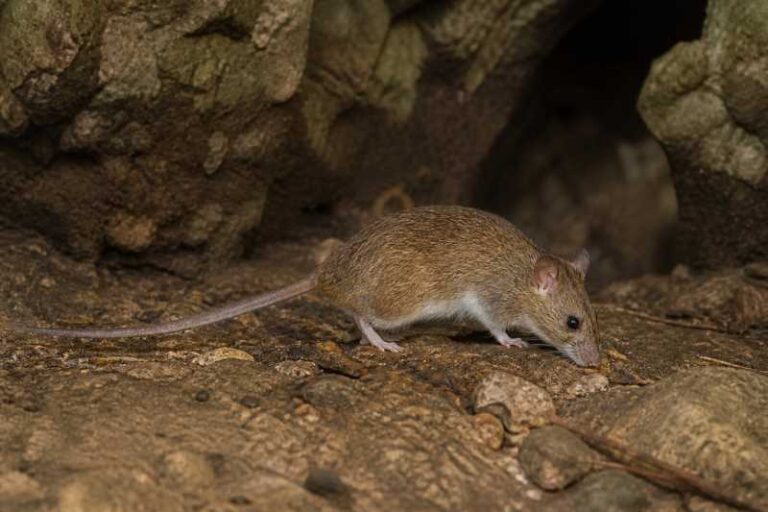
The Distinguished Oldfield Mouse exhibits a variety of physical characteristics that make it unique among other rodents. This small mammal has a sleek, elongated body with a total length ranging from 150 to 200 millimeters, including its tail, which is almost as long as its body. The fur of the Thomasomys notatus is soft and dense, providing insulation against the cooler climates of its high-altitude habitats.
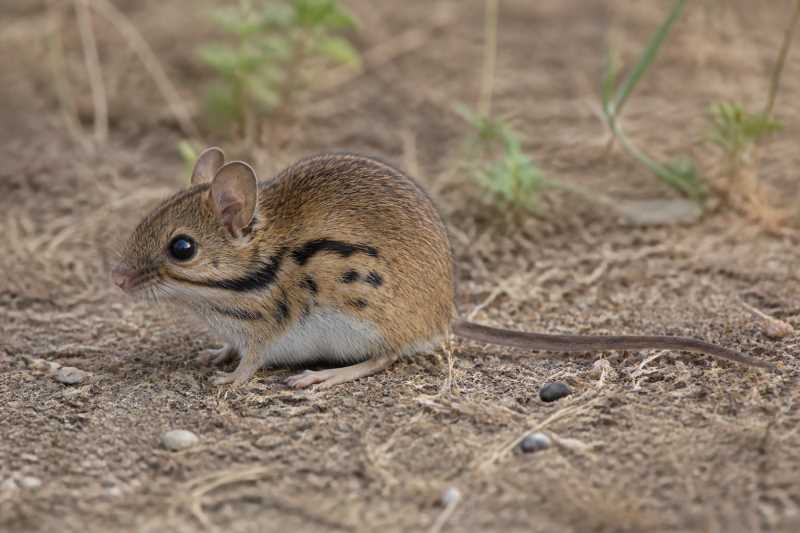
The dorsal side of the Distinguished Oldfield Mouse is typically a shade of brown or gray, allowing it to blend seamlessly into its surroundings, while the ventral side is a lighter, creamy white. Its large, round ears and prominent whiskers enhance its sensory perception, crucial for navigation and foraging in dense undergrowth. The mouse’s sharp claws and agile limbs facilitate its adeptness at climbing, helping it escape predators and search for food.
Range and Habitat
Thomasomys notatus is predominantly found in the Andean mountain ranges of South America, with its distribution spanning across parts of Colombia, Ecuador, Peru, and possibly northern Chile. This species thrives in high-altitude environments, typically inhabiting elevations between 2,500 and 4,000 meters above sea level.
The preferred habitats of the Distinguished Oldfield Mouse include montane forests, cloud forests, and páramo grasslands. These habitats provide abundant food resources and cover from predators. The intricate network of vegetation, coupled with the rocky terrain, offers ample opportunities for nesting and shelter. However, the species is also known to adapt to disturbed habitats, such as agricultural fields, indicating a degree of resilience to environmental changes.
Behavior and Diet
The Distinguished Oldfield Mouse is primarily nocturnal, spending its nights foraging for food and its days resting in nests constructed from grasses and leaves. Its diet is omnivorous, consisting of a variety of plant materials, seeds, fruits, and small insects. This dietary flexibility allows the mouse to exploit a wide range of food sources, which is essential for survival in its dynamic habitat.
Socially, Thomasomys notatus is relatively solitary, although it may be found in loose aggregations when resources are plentiful. Communication among these mice is facilitated through a range of vocalizations and scent markings. The species is also known for its agility and speed, which enable it to evade predators such as birds of prey, snakes, and small carnivorous mammals.
Identification Tips (Field Recognition Cues)
Identifying the Distinguished Oldfield Mouse in the wild can be challenging due to its elusive nature and the often dense environments it inhabits. However, there are several key characteristics to look for:
- Size and Build: Look for a small rodent with a body length of about 150 to 200 millimeters, including a proportionally long tail.
- Fur Color: Notice the contrast between the darker dorsal fur and the lighter ventral fur.
- Ears and Whiskers: The large ears and prominent whiskers are distinctive features that aid in identification.
- Habitat: Focus on high-altitude areas with dense vegetation or rocky terrains.
- Behavior: Observing nocturnal activity patterns and agility in climbing can also provide clues.
Conservation Status (with Threats and Protections)
The conservation status of the Distinguished Oldfield Mouse is currently assessed as Least Concern by the International Union for Conservation of Nature (IUCN). Despite its wide distribution, the species faces several threats that could impact its populations in the future.
Threats
- Habitat Loss: Deforestation and agricultural expansion in the Andean region pose significant risks to the natural habitats of Thomasomys notatus.
- Climate Change: Alterations in temperature and precipitation patterns can affect the availability of food and suitable habitats.
- Predation: Increased predation pressure from invasive species could also threaten local populations.
Protections
Conservation efforts for the Distinguished Oldfield Mouse include habitat preservation and the establishment of protected areas within its range. Continued research and monitoring are essential to understand population dynamics and implement effective conservation strategies.
Frequently Asked Questions
What is the diet of the Distinguished Oldfield Mouse?
The Distinguished Oldfield Mouse has an omnivorous diet, feeding on plant materials, seeds, fruits, and insects. This diet flexibility helps it survive in diverse environments.
Where can the Distinguished Oldfield Mouse be found?
This species is native to the Andean regions of South America, particularly in countries like Colombia, Ecuador, Peru, and possibly northern Chile.
How does the Distinguished Oldfield Mouse adapt to its environment?
The mouse adapts through its physical features like dense fur for insulation, sharp claws for climbing, and a varied diet that allows it to utilize multiple food sources.
What are the main threats to the Distinguished Oldfield Mouse?
The primary threats include habitat destruction due to deforestation, climate change, and predation from invasive species.
How can the Distinguished Oldfield Mouse be identified in the wild?
Identification can be achieved by noting its size, fur color contrast, large ears, and presence in high-altitude habitats, as well as its nocturnal and agile behavior.
Related posts