Introduction
Albuja’s Short-tailed Shrew, scientifically known as Cryptotis albujai, is a fascinating mammal species belonging to the Soricidae family. This elusive creature is noteworthy for its unique adaptations and ecological role. Named after Ecuadorian biologist Luis Albuja, this shrew is endemic to Ecuador and is part of the diverse and often understudied group of small mammals known as solenodons. This article delves into the biological and ecological aspects of Albuja’s Short-tailed Shrew, exploring its physical characteristics, habitat preferences, behavior, diet, and conservation status.
Physical Description
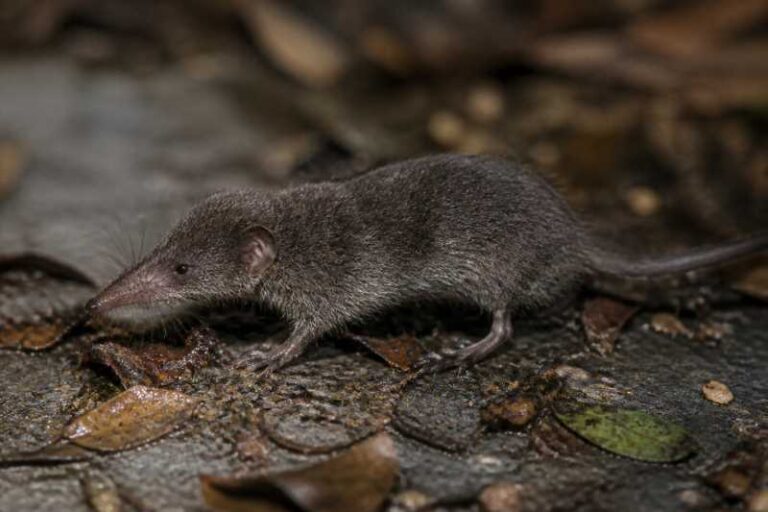
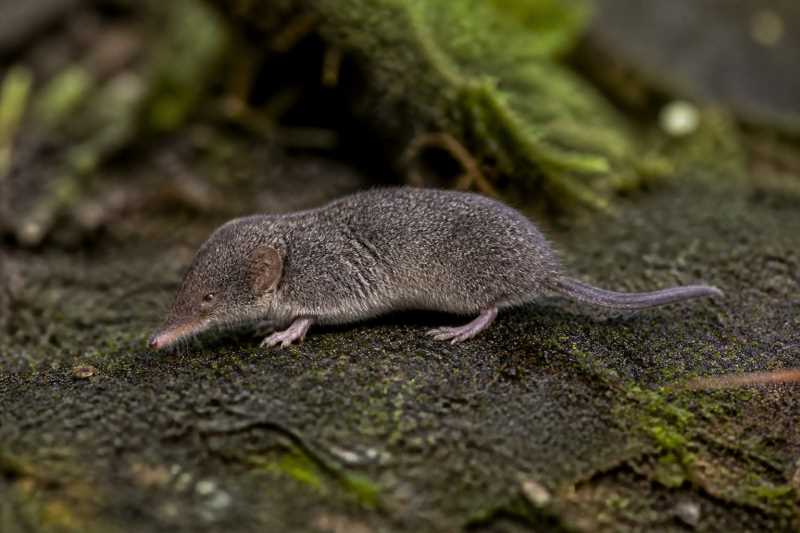
Albuja’s Short-tailed Shrew is a small mammal, typically measuring between 8 to 12 centimeters in length, including its short tail, which constitutes about one-third of its total body length. The shrew has a dense, velvety fur coat that varies in color from dark gray to brown, providing effective camouflage in its natural habitat. Its most distinguishing feature is its short, stubby tail, which is less than 4 centimeters long and covered with fine hair. This feature differentiates it from other shrew species with longer tails.
The shrew’s head is equipped with a pointed snout, which is highly sensitive and instrumental in foraging. Its small eyes and ears are often concealed within the fur, a characteristic adaptation for its subterranean lifestyle. The powerful, clawed forelimbs are adapted for digging, enabling the shrew to navigate through soil and leaf litter with ease.
Range and Habitat
Cryptotis albujai is endemic to the cloud forests of Ecuador, primarily inhabiting the eastern slopes of the Andes. This high-altitude region, characterized by its humid and cool climate, provides a perfect environment for the shrew’s survival. The dense undergrowth and abundant leaf litter in these forests offer ample cover and foraging opportunities.
The shrew is typically found at elevations ranging from 1,500 to 2,500 meters above sea level. Its habitat preference includes moist, shaded areas with rich soil, where it can easily burrow and hunt for insects and other invertebrates. The preservation of these cloud forests is crucial for the survival of the species, as deforestation poses a significant threat to its habitat.
Behavior and Diet
Albuja’s Short-tailed Shrew is predominantly nocturnal, spending the majority of its day hidden in burrows or beneath leaf litter. Its nocturnal habits help it avoid predators and take advantage of the cooler nighttime temperatures. The shrew is solitary, with individuals maintaining territories that they defend from other shrews.
The diet of Cryptotis albujai is primarily insectivorous, consisting of a variety of insects, worms, and other small invertebrates. Its keen sense of smell and sensitive snout enable it to locate prey even in complete darkness. The shrew’s metabolic rate is exceptionally high, necessitating constant foraging to meet its energy requirements.
Identification Tips (field recognition cues)
Identifying Albuja’s Short-tailed Shrew in the field can be challenging due to its elusive nature and small size. However, several key characteristics can aid in its identification:
- Size and Tail: Look for a small mammal with a body length of 8 to 12 centimeters and a short, stubby tail.
- Fur Color: The shrew’s dense fur ranges from dark gray to brown, providing effective camouflage in the forest undergrowth.
- Snout and Ears: The pointed snout and small, often hidden ears are distinguishing features of this species.
- Habitat: Consider the elevation and habitat type; sightings are more likely in cloud forests at elevations between 1,500 and 2,500 meters.
Conservation Status (with threats and protections)
The conservation status of Albuja’s Short-tailed Shrew is currently listed as Data Deficient by the International Union for Conservation of Nature (IUCN). This classification highlights the need for further research to determine the species’ population size, distribution, and threats.
The primary threat to Cryptotis albujai is habitat loss due to deforestation and agricultural expansion in the Andean cloud forests. These activities lead to fragmentation and degradation of the shrew’s natural habitat, posing a significant risk to its survival. Conservation efforts are essential to protect these vital ecosystems and the species that depend on them.
Efforts to preserve the cloud forests, such as establishing protected areas and promoting sustainable land-use practices, are crucial for the survival of Albuja’s Short-tailed Shrew. Increased research and monitoring are necessary to develop effective conservation strategies and ensure the species’ long-term survival.
Frequently Asked Questions
What is the natural habitat of Albuja’s Short-tailed Shrew?
Albuja’s Short-tailed Shrew is naturally found in the cloud forests of Ecuador, particularly on the eastern slopes of the Andes. These habitats are characterized by high humidity, cool temperatures, and dense vegetation.
How can I identify Albuja’s Short-tailed Shrew in the wild?
To identify this shrew, look for a small mammal with a body length of 8 to 12 centimeters, a short tail, dark gray to brown fur, and a pointed snout. It is typically found in cloud forests at elevations between 1,500 and 2,500 meters.
What conservation efforts are in place for Albuja’s Short-tailed Shrew?
Conservation efforts include establishing protected areas and promoting sustainable land-use practices to preserve the cloud forests. Increased research and monitoring are also crucial to developing effective conservation strategies.
What does Albuja’s Short-tailed Shrew eat?
The diet of Albuja’s Short-tailed Shrew consists primarily of insects, worms, and other small invertebrates. Its high metabolic rate requires constant foraging for food.
Why is Albuja’s Short-tailed Shrew considered Data Deficient?
The IUCN lists the species as Data Deficient due to a lack of comprehensive data on its population size, distribution, and threats. More research is needed to accurately assess its conservation status.
Related posts