The Rusty-belted Tapaculo: A Hidden Gem of the Amazon Rainforest
The Rusty-belted Tapaculo (Liosceles thoracicus) is a small, elusive bird that inhabits the dense undergrowth of the Amazon rainforest. Known for its distinctive calls and secretive nature, this bird is a fascinating subject for ornithologists and bird enthusiasts alike. With its unique adaptations and critical role in the ecosystem, the Rusty-belted Tapaculo is a testament to the intricate biodiversity of the Amazon.
Habitat and Distribution
The Rusty-belted Tapaculo is predominantly found in the lowland rainforests of the Amazon Basin, including parts of Brazil, Peru, Ecuador, and Bolivia. Its preferred habitat is the understory of humid tropical forests, where it can be found in dense thickets and bamboo groves. This bird’s range is closely tied to the availability of such habitats, which are unfortunately under threat from deforestation and habitat fragmentation.
Physical Characteristics
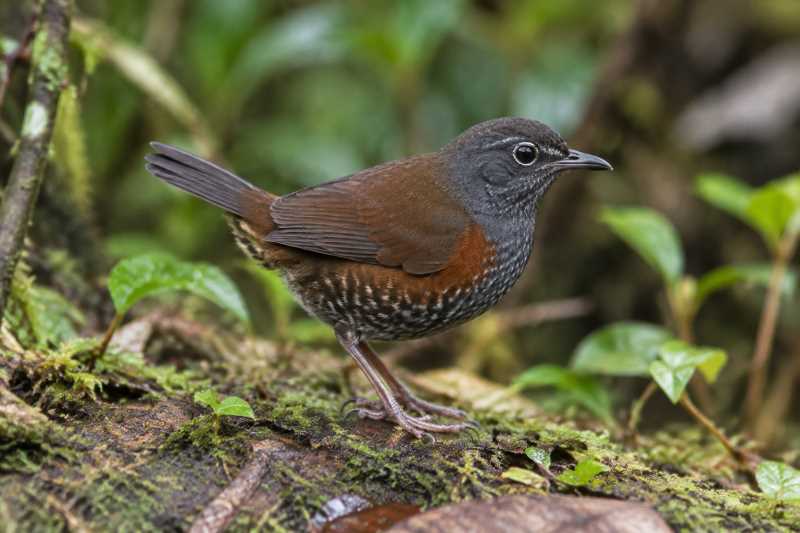
Measuring about 13 centimeters in length, the Rusty-belted Tapaculo is a small bird with a robust build. It sports a distinctive rusty-brown belt across its chest, which contrasts with its darker upperparts and lighter underparts. Its plumage is perfectly adapted for camouflage in the dense foliage, making it challenging to spot despite its relatively loud calls.
The bird’s legs are long and strong, an adaptation that aids in navigating the forest floor and dense underbrush. Unlike many other bird species, the Rusty-belted Tapaculo is not an adept flyer, preferring to hop and scramble through its environment.
Behavior and Diet
The Rusty-belted Tapaculo is primarily insectivorous, feeding on a diet of insects and other small arthropods. It forages on the ground, using its sharp eyesight and keen hearing to detect prey. The bird’s foraging behavior is characterized by quick, darting movements as it searches for food among the leaf litter.
One of the most remarkable aspects of the Rusty-belted Tapaculo is its vocalizations. The bird is known for its loud, melodious calls, which serve multiple purposes, including territory establishment and mate attraction. These calls are often heard before the bird is seen, as its secretive nature makes visual sightings rare.
Reproduction and Lifecycle
The breeding season for the Rusty-belted Tapaculo varies depending on the region, but it generally coincides with the rainy season when food is abundant. The bird builds its nest close to the ground in dense vegetation, often in a concealed location to protect it from predators.
The female typically lays two to three eggs, which are incubated for about two weeks. Both parents participate in feeding the hatchlings, which fledge after approximately two weeks. The young birds continue to rely on their parents for food and protection until they are fully independent.
Conservation Status
Currently, the Rusty-belted Tapaculo is classified as a species of Least Concern by the International Union for Conservation of Nature (IUCN). However, the ongoing destruction of its habitat poses a significant threat to its population. The Amazon rainforest is facing unprecedented levels of deforestation due to logging, agriculture, and infrastructure development, all of which could impact the long-term survival of this species.
Conservation efforts are crucial to preserve the intricate ecosystems of the Amazon and the countless species that call it home, including the Rusty-belted Tapaculo. Protecting large swathes of rainforest, promoting sustainable land use practices, and raising awareness about the importance of biodiversity are vital steps in ensuring the survival of this unique bird.
Conclusion
The Rusty-belted Tapaculo is a remarkable example of the diversity and complexity of life in the Amazon rainforest. Its distinctive calls, secretive habits, and crucial ecological role make it a fascinating subject for study and conservation. As we continue to explore and understand the intricate web of life in the Amazon, the Rusty-belted Tapaculo serves as a reminder of the importance of preserving these vital ecosystems for future generations.
By supporting conservation initiatives and promoting sustainable practices, we can help ensure that the Rusty-belted Tapaculo and countless other species continue to thrive in their natural habitats.
Related posts