Introduction
Davies’s Big-eared Bat, scientifically known as Glyphonycteris daviesi, is a fascinating mammal species that belongs to the Phyllostomidae family. This elusive bat species is notable for its large ears and unique adaptations, which make it a subject of interest for researchers and wildlife enthusiasts alike. Despite its intriguing characteristics, Davies’s Big-eared Bat remains relatively understudied, and there is still much to learn about its behavior, ecology, and conservation needs. This article delves into the various aspects of this species, including its physical description, habitat preferences, behavior, and conservation status.
Physical Description
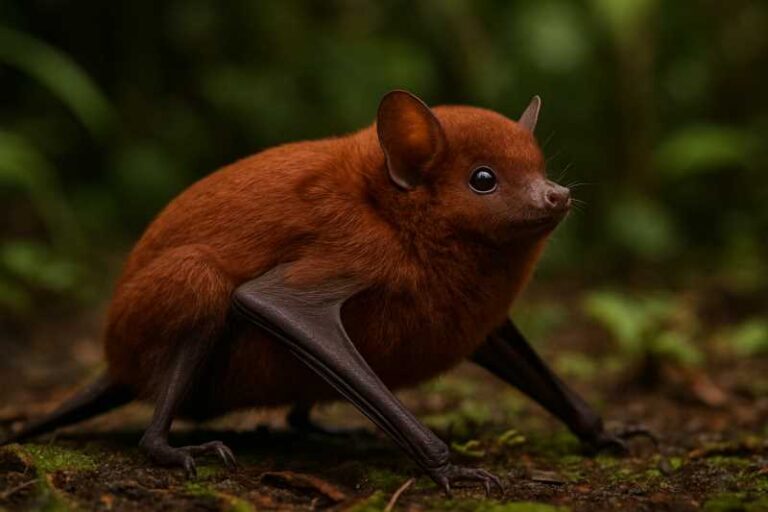
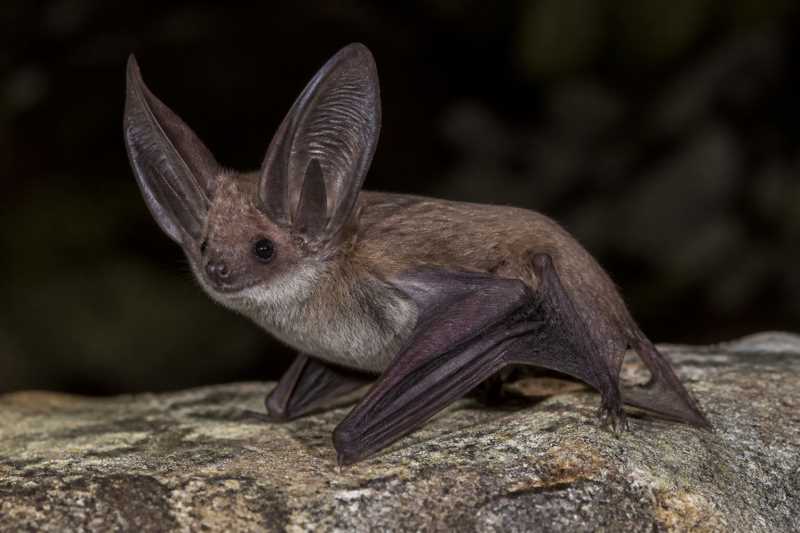
Davies’s Big-eared Bat is characterized by its distinctive large ears, which are proportionally bigger than those of many other bat species. These ears are an important adaptation for echolocation, allowing the bat to detect prey and navigate its environment with precision. The species has a modest body size, with a forearm length typically ranging from 45 to 50 mm. Its fur is generally dark brown to black, providing effective camouflage in its natural habitat.
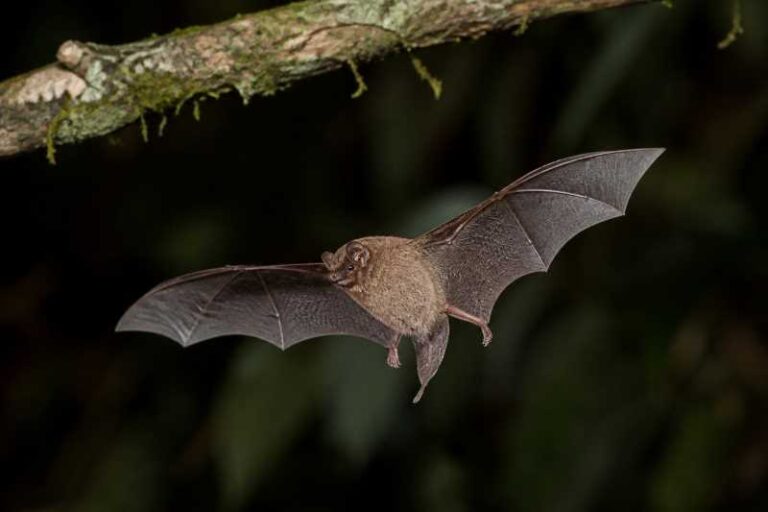
The bat’s face is adorned with a small nose-leaf, a feature common among members of the Phyllostomidae family. This nose-leaf aids in echolocation by helping to direct sound waves. The wings of Davies’s Big-eared Bat are relatively long and narrow, designed for agile flight in dense forest environments. The tail is short, often extending just slightly beyond the uropatagium, which is the membrane between the hind legs.
Range and Habitat
Davies’s Big-eared Bat is primarily found in the Neotropical regions of South America. Its range includes parts of Brazil, Venezuela, Colombia, and Ecuador. The species favors humid tropical and subtropical forests, where it roosts in tree hollows, caves, and sometimes man-made structures. These bats are typically found at elevations ranging from sea level to about 1,000 meters, though their exact range can vary based on environmental conditions and availability of suitable roosting sites.
The bat’s habitat preferences are strongly linked to the availability of food and roosting sites. Dense forests provide ample opportunities for foraging and offer protection from predators. Davies’s Big-eared Bat is a nocturnal species, spending its days roosting and becoming active at night to hunt for food.
Behavior and Diet
Davies’s Big-eared Bat exhibits behaviors typical of many microchiropteran bats, including nocturnal activity patterns and reliance on echolocation for navigation and hunting. This species is primarily insectivorous, feeding on a variety of insects such as moths, beetles, and other arthropods. The bat uses its acute hearing and echolocation abilities to detect and capture prey in flight.
Social behavior in Davies’s Big-eared Bat is not well-documented, but like many bats, it is likely to form small colonies or groups, particularly during the breeding season. Roosting habits are flexible, with individuals and groups using a variety of natural and artificial structures for shelter.
Identification Tips
Identifying Davies’s Big-eared Bat in the field can be challenging due to its elusive nature and the dense habitats it occupies. However, there are some key features to look for:
- Large Ears: The most distinctive feature, their large ears are noticeable even in flight.
- Dark Fur: Look for the bat’s dark brown to black fur, which helps it blend into its surroundings.
- Flight Pattern: Observing its flight, which is typically agile and erratic as it maneuvers through dense forest.
- Echolocation Calls: Listening for high-frequency echolocation calls can aid in identification, often requiring specialized equipment to detect.
Conservation Status
Davies’s Big-eared Bat is currently listed as Near Threatened on the IUCN Red List. The primary threats to this species include habitat destruction due to deforestation, agricultural expansion, and urban development. These activities lead to the loss of roosting sites and foraging areas, significantly impacting bat populations.
Conservation efforts for Davies’s Big-eared Bat focus on habitat preservation and restoration. Protecting large tracts of forest and establishing wildlife corridors can help ensure the survival of this species. Additionally, monitoring and research are crucial to understanding population trends and implementing effective conservation strategies.
Frequently Asked Questions
1. What is the primary diet of Davies’s Big-eared Bat? Davies’s Big-eared Bat primarily feeds on insects, utilizing its echolocation abilities to hunt moths, beetles, and other arthropods in flight.
2. Where can Davies’s Big-eared Bat be found? This species is found in the Neotropical regions of South America, including Brazil, Venezuela, Colombia, and Ecuador, typically in humid tropical and subtropical forests.
3. How does habitat loss affect Davies’s Big-eared Bat? Habitat loss due to deforestation and land conversion for agriculture and urban development reduces available roosting and foraging areas, threatening the species’ survival.
4. How can I identify Davies’s Big-eared Bat in the wild? Key identification features include their large ears, dark fur, and distinctive flight pattern. Observers may also need specialized equipment to detect their echolocation calls.
5. What conservation efforts are in place for Davies’s Big-eared Bat? Conservation efforts focus on habitat preservation and restoration, including protecting forests and creating wildlife corridors to support bat populations.
Related posts