Introduction
The Temboan White-toothed Shrew, scientifically known as Crocidura rhoditis, is a fascinating small mammal belonging to the Soricidae family. These shrews are part of the diverse genus Crocidura, which encompasses numerous species of white-toothed shrews found across various regions. The Temboan White-toothed Shrew is particularly noteworthy for its unique adaptations and ecological significance within its native habitat. This article delves into the physical characteristics, habitat preferences, behaviors, and conservation status of this intriguing species.
Physical Description
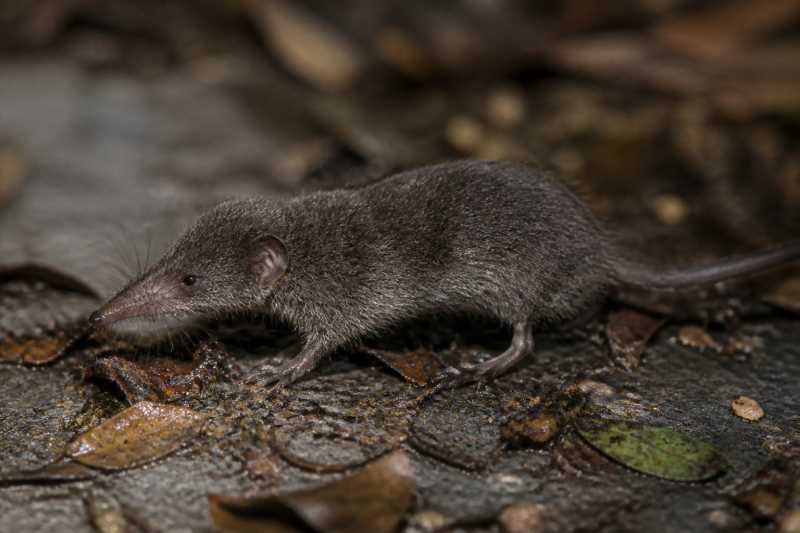
The Temboan White-toothed Shrew is a small, insectivorous mammal characterized by its slender body, short limbs, and pointed snout. Adult shrews typically measure between 5 to 8 centimeters in length, excluding the tail, which adds an additional 4 to 6 centimeters. Weighing in at about 5 to 15 grams, these shrews are among the lighter small mammals, which aids in their nimbleness and agility.
A defining feature of Crocidura rhoditis is its dense, velvety fur, which is generally a reddish-brown color, providing excellent camouflage against the forest floor. The fur is softer and more uniform in color compared to other shrew species, with no significant color differentiation between the dorsal and ventral sides. As their name suggests, these shrews possess white teeth, distinguishing them from the "red-toothed" shrews of other genera.
Range and Habitat
Crocidura rhoditis is primarily found in the tropical forests of Southeast Asia, with a range concentrated in the Sulawesi region of Indonesia. These shrews thrive in moist, dense forest environments, where they have access to abundant ground cover and a rich supply of invertebrates, their primary food source.
The preferred habitat of the Temboan White-toothed Shrew includes lowland tropical forests, montane forests, and sometimes secondary forests that offer sufficient ground litter for hiding and foraging. These habitats provide the necessary microclimate and resources that support their dietary and shelter needs.
Behavior and Diet
The Temboan White-toothed Shrew is primarily nocturnal, spending its nights foraging for food and its days resting in hidden nests built from leaves and other natural debris. As an insectivore, its diet consists largely of insects, spiders, and other small invertebrates, which it hunts using its keen sense of smell and rapid movements.
These shrews are solitary creatures, with interactions between individuals typically limited to mating activities. They rely on their acute senses and swift reflexes to avoid predators and navigate their complex forest environment. The high metabolic rate of these shrews necessitates frequent feeding, which in turn influences their active and restless nature.
Identification Tips (Field Recognition Cues)
Identifying the Temboan White-toothed Shrew in the wild can be challenging due to its small size and elusive behavior. However, there are several key characteristics to look for:
- Size and Shape: Look for a small, mouse-like mammal with a slender body and a relatively long tail.
- Coloration: Note the uniform reddish-brown fur, which aids in camouflage among the forest floor.
- Teeth: Although difficult to observe without close inspection, the white teeth are a distinctive feature.
- Behavior: These shrews are active at night, so spotting one during daytime can be rare. Look for them scurrying through leaf litter in search of food.
Conservation Status (With Threats and Protections)
The conservation status of the Temboan White-toothed Shrew has not been extensively studied, but it is believed to be facing several threats common to many forest-dwelling species. The primary threat is habitat destruction due to deforestation and land conversion for agriculture, which reduces the available living space and resources for these shrews.
While specific conservation measures for Crocidura rhoditis are not well-documented, the protection of its habitat through the establishment of reserves and sustainable forest management practices is crucial. Efforts to curb deforestation and preserve natural habitats will significantly benefit the Temboan White-toothed Shrew and many other species that share its ecosystem.
Frequently Asked Questions
Why is this species unique?
The Temboan White-toothed Shrew is unique due to its specific adaptations to the tropical forest environment of Sulawesi. Its reddish-brown fur offers excellent camouflage, and its white teeth distinguish it from other shrew species. These adaptations, along with its nocturnal lifestyle, make it a remarkable example of ecological specialization.
What do Temboan White-toothed Shrews eat?
These shrews are insectivorous, primarily feeding on insects, spiders, and other small invertebrates found in the forest floor litter. Their diet is a reflection of their high metabolic rate, which requires frequent feeding to sustain their energy levels.
How do Temboan White-toothed Shrews contribute to their ecosystem?
As insectivores, Temboan White-toothed Shrews play a vital role in controlling insect populations within their habitat. By preying on various invertebrates, they help maintain ecological balance and contribute to the health of the forest ecosystem.
Are Temboan White-toothed Shrews endangered?
The exact conservation status of the Temboan White-toothed Shrew is not well-documented, but habitat destruction due to deforestation poses a significant threat. Conservation efforts focusing on habitat preservation are essential for their continued survival.
Where can you find Temboan White-toothed Shrews?
These shrews are primarily found in the tropical forests of the Sulawesi region in Indonesia. They inhabit dense, moist forest environments where they can access abundant ground cover and food resources.
Related posts