An In-Depth Exploration of the Chucao Tapaculo: A Unique Avian Resident of South America
The Chucao Tapaculo (Scelorchilus rubecula) is a captivating bird species that has intrigued ornithologists and bird enthusiasts alike. Native to the dense forests of southern Chile and Argentina, this bird is renowned for its elusive nature and distinctive vocalizations. Despite its relatively small size, the Chucao Tapaculo plays a significant role in the ecosystems it inhabits. This article delves into the fascinating characteristics, habitat, behavior, and conservation status of the Chucao Tapaculo, offering a comprehensive overview of this remarkable avian species.
Taxonomy and Description
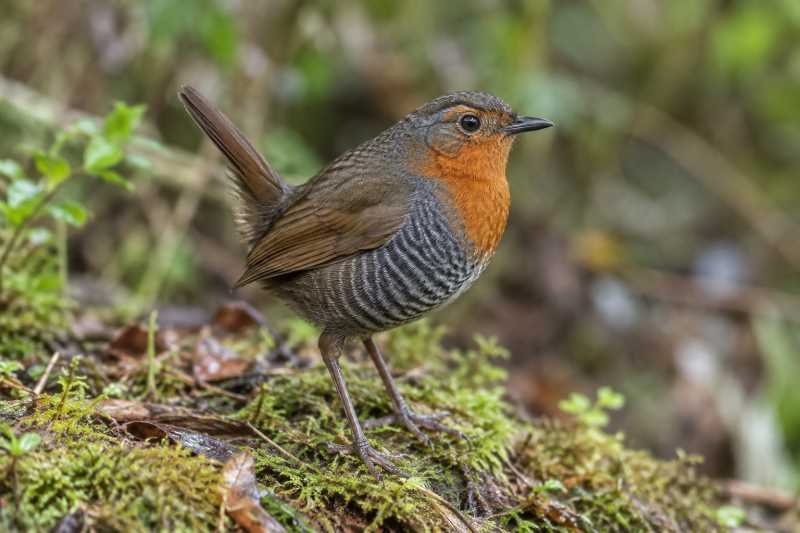
Belonging to the Rhinocryptidae family, the Chucao Tapaculo was first described by the English ornithologist John Gould in 1837. The genus name, Scelorchilus, is derived from Greek, translating to ‘limping bird,’ while the species name, rubecula, is Latin for ‘small red bird.’ The Chucao Tapaculo is characterized by its stout body, short wings, and long legs. It measures approximately 18 to 19 centimeters in length and weighs around 40 grams.
The bird’s plumage is primarily a rich chestnut brown with a striking black-and-white barred pattern on its flanks. Its throat and chest are bright orange, a feature that makes it easily identifiable. The Chucao Tapaculo’s eyes are dark, and its beak is short and slightly curved, adapted perfectly for foraging in the underbrush.
Habitat and Distribution
The Chucao Tapaculo is predominantly found in the temperate rainforests of southern Chile and Argentina, within the Valdivian temperate forests ecoregion. These areas are characterized by high levels of rainfall and dense vegetation, providing the ideal environment for the Chucao Tapaculo to thrive. The bird prefers the understory of these forests, where it can forage for insects and other small invertebrates.
These birds are highly territorial, often occupying a territory of about one hectare. They are known to be altitudinal migrants, moving to lower elevations during the harsh winter months and returning to higher altitudes during the breeding season.
Behavior and Vocalization
The Chucao Tapaculo is a ground-dwelling bird, spending most of its time foraging on the forest floor. It is known for its secretive behavior, often remaining hidden within the dense underbrush. Despite this, the bird is highly vocal, and its calls can be heard echoing through the forests. The Chucao Tapaculo’s call is a series of loud, melodious whistles, often described as one of the most beautiful bird songs in the region.
Males are particularly vocal during the breeding season, using their calls to establish territories and attract mates. The Chucao Tapaculo’s song is a vital tool for communication, given the dense habitat it occupies.
Reproduction and Lifespan
Breeding season for the Chucao Tapaculo typically occurs from October to January. The birds build their nests on or near the ground, carefully hidden among roots or under fallen logs. The female lays a clutch of two to four eggs, which are incubated for about 20 days.
Both parents participate in feeding the chicks, which fledge approximately three weeks after hatching. The Chucao Tapaculo is known for its high rates of nest predation, which can impact its reproductive success. However, the species has adapted to this challenge with its secretive nesting habits.
Conservation Status
The Chucao Tapaculo is currently listed as Least Concern by the International Union for Conservation of Nature (IUCN). Despite this seemingly secure status, the bird’s habitat is under threat from various human activities, including deforestation and land conversion for agriculture. Conservation efforts are crucial to ensure the preservation of the Valdivian temperate forests, which are home to this and many other unique species.
Efforts to protect the Chucao Tapaculo’s habitat are underway, with several national parks and reserves established in its native range. These protected areas play a vital role in maintaining the biodiversity and ecological health of the region.
Conclusion
The Chucao Tapaculo is a remarkable bird species, integral to the biodiversity of the temperate forests of southern Chile and Argentina. Its distinctive appearance and enchanting vocalizations make it a subject of fascination for birdwatchers and researchers. While its conservation status is currently stable, ongoing efforts to preserve its habitat are essential for its continued survival. As we deepen our understanding of the Chucao Tapaculo, we can better appreciate the intricate web of life that this unique bird is a part of.
The conservation of the Chucao Tapaculo and its habitat not only benefits this species but also supports the diverse array of flora and fauna that share its environment. Through awareness and conservation action, we can ensure that future generations have the opportunity to experience the wonder of the Chucao Tapaculo in its natural habitat.
Related posts