The Enigmatic Pemba Green Pigeon: An Avian Jewel of Zanzibar
Introduction
Nestled within the lush landscapes of Pemba Island, part of the Zanzibar Archipelago, resides a captivating bird species known as the Pemba Green Pigeon (Treron pembaensis). This remarkable bird, endemic to this region, has long fascinated ornithologists and nature lovers alike. In this comprehensive article, we delve into the unique characteristics, habitat, behavior, and conservation efforts surrounding the Pemba Green Pigeon, unraveling the mysteries of this avian jewel.
Taxonomy and Description
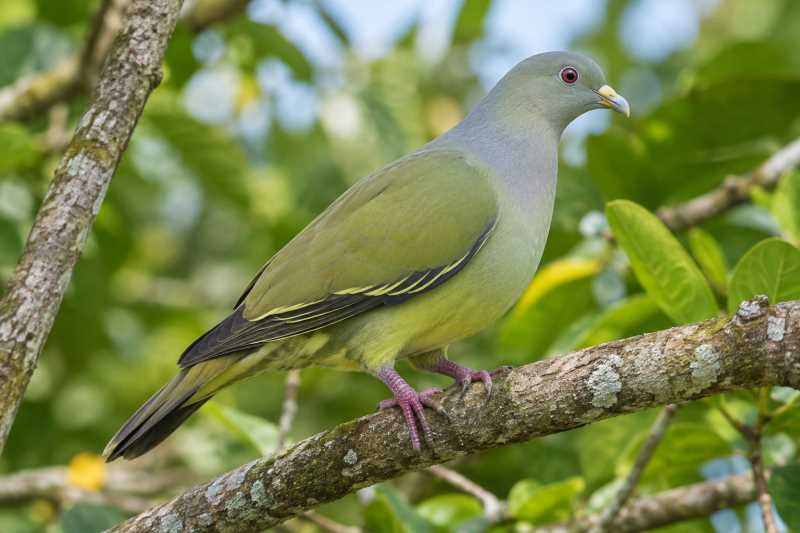
The Pemba Green Pigeon belongs to the family Columbidae, which encompasses pigeons and doves. It was first described scientifically in 1935 by the British ornithologist Reginald Ernest Moreau, who noted its distinct features and isolated habitat. This medium-sized pigeon is characterized by its vibrant plumage. The males display a striking combination of green and yellow feathers, while the females are slightly duller in appearance, providing essential camouflage among the dense foliage.
The Pemba Green Pigeon measures approximately 25-28 cm in length and weighs around 150-200 grams. Its wings are rounded, an adaptation that allows for agile flight through the forest canopy. The bird’s bright, crimson eyes and yellowish beak further accentuate its vivid appearance, making it a magnificent sight for those fortunate enough to observe it in the wild.
Habitat and Distribution
As its name suggests, the Pemba Green Pigeon is confined to Pemba Island, located off the coast of Tanzania. This island, characterized by its tropical climate and diverse ecosystems, provides an ideal habitat for the pigeon. The bird primarily resides in the island’s evergreen forests, thriving in areas where fruit-bearing trees are abundant.
Pemba’s forests, though fragmented, still offer a haven for this pigeon. The species prefers the mid to upper canopy levels, where it can find ample food and avoid many ground-based predators. The island’s geographical isolation has played a significant role in the evolution of the Pemba Green Pigeon, contributing to its status as an endemic species.
Diet and Feeding Behavior
The Pemba Green Pigeon is primarily frugivorous, with its diet consisting of a variety of fruits. It shows a preference for figs, which are abundant in Pemba’s forests, but it also consumes other fruits such as berries and seeds. The bird’s feeding behavior is adapted to its forest habitat, as it moves silently through the canopy in search of ripe fruit.
This pigeon plays a crucial role in the ecosystem as a seed disperser. By consuming fruits and excreting the seeds elsewhere, it facilitates the regeneration of forest vegetation. This symbiotic relationship underscores the importance of the Pemba Green Pigeon in maintaining the ecological balance of its native habitat.
Breeding and Reproduction
Little is known about the specific breeding habits of the Pemba Green Pigeon, partly due to its elusive nature and the challenges of studying the species in its natural environment. However, it is believed that its breeding season coincides with the period of fruit abundance, ensuring a steady food supply for the young.
Like other pigeons, the Pemba Green Pigeon likely constructs a simple nest using twigs and leaves, typically positioned high in the trees to avoid predators. The female usually lays one or two eggs, which both parents incubate. After hatching, the chicks are fed a regurgitated food known as "pigeon milk," a nutrient-rich secretion produced by both parents.
Conservation Status and Threats
The Pemba Green Pigeon is currently listed as Near Threatened on the IUCN Red List of Threatened Species. Despite its limited range, the species faces several conservation challenges. Habitat loss due to deforestation and agricultural expansion poses the most significant threat to its survival. As forests are cleared for farming and settlements, the pigeon’s habitat becomes increasingly fragmented, reducing its chances of finding food and breeding sites.
Additionally, hunting pressure for food and the illegal pet trade further exacerbate the risks faced by this species. The Pemba Green Pigeon is also vulnerable to climate change, which may alter the availability of its food sources and impact its habitat.
Conservation Efforts
Efforts to conserve the Pemba Green Pigeon are ongoing, with various initiatives aimed at protecting its habitat and raising awareness about its plight. Organizations such as the Wildlife Conservation Society and local conservation groups are working in collaboration with the Tanzanian government to implement conservation strategies.
These efforts include establishing protected areas, promoting sustainable land use practices, and conducting research to better understand the ecology and behavior of the Pemba Green Pigeon. Community involvement is also crucial, as local residents play a vital role in conservation efforts by participating in habitat restoration projects and monitoring bird populations.
Conclusion
The Pemba Green Pigeon stands as a testament to the rich biodiversity of Pemba Island and the intricate relationships within its ecosystems. Protecting this unique species requires a multi-faceted approach that addresses habitat preservation, community engagement, and policy implementation. By safeguarding the Pemba Green Pigeon and its habitat, we not only ensure the survival of a remarkable bird but also contribute to the broader conservation of biodiversity in the Zanzibar Archipelago.
As we continue to uncover the secrets of the Pemba Green Pigeon, let us be reminded of the delicate balance of nature and the pressing need to protect our natural world for future generations. This enigmatic bird serves as a symbol of hope and resilience in the face of environmental challenges, inspiring us to cherish and conserve the irreplaceable wonders of our planet.
Related posts