Introduction
The African White-tailed Rat, scientifically known as Mystromys albicaudatus, is a fascinating mammal species native to the African continent. This unique rodent is an integral part of the ecosystem, contributing to seed dispersion and serving as prey for a variety of predators. Despite its significance, the African White-tailed Rat remains relatively understudied, making it a captivating subject for researchers and wildlife enthusiasts alike.
Physical Description
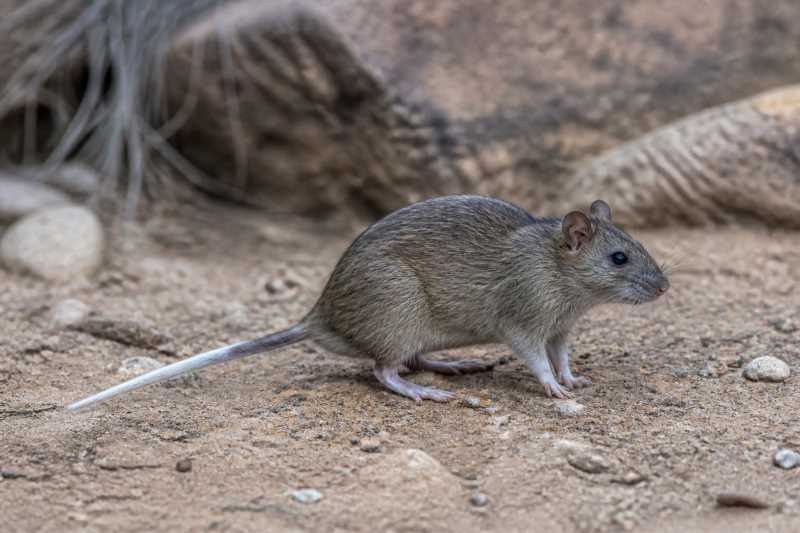
The African White-tailed Rat is a medium-sized rodent characterized by its distinctively white-tipped tail, which is where its common name derives. Typically, this species measures between 15-20 cm in body length, with a tail length of around 12-16 cm. Its fur is generally a mix of gray and brown, providing excellent camouflage against the African savannah and woodlands. The underbelly is lighter, often a creamy white, which complements its conspicuous tail tip.
This rodent has sharp claws and strong hind legs, which aid in digging and quick escapes from predators. Its ears are moderately sized and round, enhancing its acute sense of hearing, which is crucial for detecting both predators and prey.
Range and Habitat
Mystromys albicaudatus is predominantly found in the southern regions of Africa, including countries such as South Africa, Botswana, and Namibia. This species favors a diverse range of habitats, from dry savannahs and grasslands to rocky outcrops and woodlands. Its adaptability allows it to thrive in both semi-arid and temperate environments, although it tends to avoid extremely arid desert regions.
The African White-tailed Rat prefers areas with ample ground cover and loose soil, which are conducive to burrowing. This characteristic makes agricultural lands, where soil is often disrupted, a suitable habitat, leading to occasional human-wildlife conflicts.
Behavior and Diet
The African White-tailed Rat is primarily nocturnal, emerging from its burrow at dusk to forage for food. Its diet is omnivorous, consisting of seeds, fruits, insects, and small invertebrates. This diverse diet helps the species adapt to varying environmental conditions and resource availability.
Socially, these rats are relatively solitary, except during the breeding season when males and females come together to mate. Females typically give birth to litters of two to four young after a gestation period of about four weeks. The young are weaned at approximately four weeks old and reach sexual maturity by six months.
Identification Tips (field recognition cues)
Identifying the African White-tailed Rat in the field can be achieved by observing several key features:
- Tail Features: Look for the unique white tip on the tail, which is the most distinguishing feature of this species.
- Size and Coloration: Note the medium size with grayish-brown fur and a lighter underbelly.
- Behavior: Observe nocturnal activity patterns and burrowing behavior.
- Habitat: Consider the environment; these rats are often found in areas with loose soil and ample vegetation cover.
Conservation Status (with threats and protections)
The African White-tailed Rat is currently listed as "Least Concern" by the IUCN Red List. However, like many species, it faces threats from habitat loss due to agricultural expansion, urban development, and climate change. Additionally, rodent control measures in agricultural areas can inadvertently impact their populations.
Despite these challenges, the species has a stable population trend, thanks in part to its adaptability and wide range. Conservation efforts focus on habitat preservation and promoting sustainable agricultural practices that minimize harm to native wildlife.
Frequently Asked Questions
1. What is the lifespan of an African White-tailed Rat?
In the wild, African White-tailed Rats typically live for about two to three years. However, in captivity, where threats are minimized, they can live longer, up to four or five years.
2. Are African White-tailed Rats dangerous to humans?
African White-tailed Rats are not considered dangerous to humans. They are generally shy and avoid human contact. However, like all wild rodents, they can carry diseases and should not be handled without proper precautions.
3. How do African White-tailed Rats contribute to the ecosystem?
These rats play a crucial role in the ecosystem by aiding in seed dispersion, which promotes plant diversity. They also serve as prey for a variety of predators, thus contributing to the food web.
4. What adaptations help the African White-tailed Rat survive in its environment?
Their nocturnal habits, excellent burrowing skills, and omnivorous diet allow them to adapt to various environmental conditions and avoid predators.
5. How can I help conserve the African White-tailed Rat?
Supporting conservation organizations that focus on habitat preservation and advocating for sustainable agricultural practices can help protect this species and its habitat.
Related posts