Introduction
The Yellow-striped Chevrotain, scientifically known as Moschiola kathygre, is an enchanting and elusive mammal species that inhabits the dense forests of South Asia. Known for its petite stature and striking appearance, this diminutive creature is often referred to as a "mouse-deer" due to its small size and deer-like characteristics. As a member of the family Tragulidae, the Yellow-striped Chevrotain is a vital component of its ecosystem, contributing to biodiversity and serving as an indicator of forest health. This article delves into the fascinating world of the Yellow-striped Chevrotain, exploring its physical attributes, habitat preferences, behavioral patterns, and conservation challenges.
Physical Description
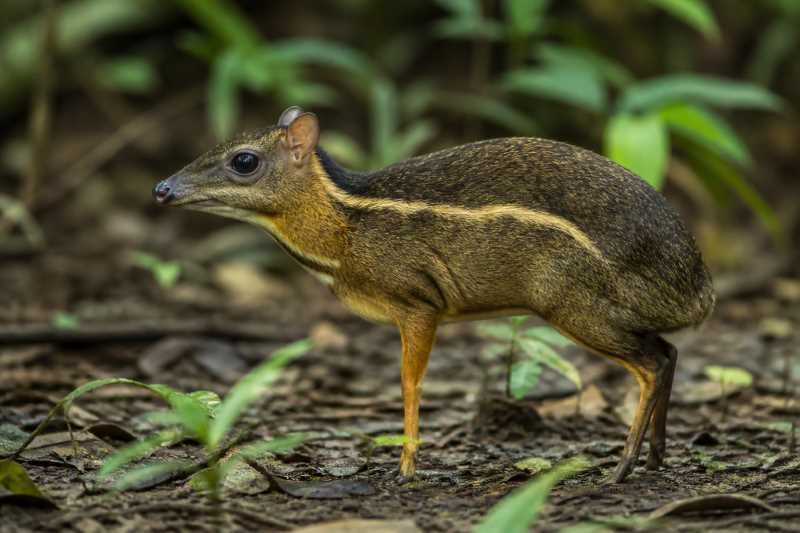
The Yellow-striped Chevrotain is a small, delicate mammal that typically weighs between 2 and 4 kilograms and measures about 45 to 55 centimeters in length. Its most distinctive feature is the series of yellowish-white stripes and spots that run along its flanks, giving rise to its common name. These markings contrast sharply with its otherwise brownish coat, which provides excellent camouflage against the forest undergrowth.
The body of the Yellow-striped Chevrotain is compact and rounded, supported by slender and graceful legs that aid in swift, agile movements through its densely vegetated habitat. Unlike true deer, chevrotains lack antlers; however, male Yellow-striped Chevrotains possess small, sharp canine teeth used in territorial disputes and defense against predators.
Their eyes are large and dark, adapted for low-light environments, and their nostrils are wide and moist, enhancing their sense of smell. The ears are small and rounded, yet highly sensitive, allowing the chevrotain to detect faint sounds and remain vigilant against potential threats.
Range and Habitat
The Yellow-striped Chevrotain is native to the tropical and subtropical forests of southern India and Sri Lanka. Preferring dense, moist environments, these chevrotains thrive in areas with thick undergrowth and abundant leaf litter, which provide both food and cover from predators.
In India, the species is predominantly found in the Western Ghats, a biodiversity hotspot that harbors numerous endemic species. In Sri Lanka, the Yellow-striped Chevrotain occupies the wet zone forests, particularly in regions with high rainfall and dense vegetation.
These chevrotains are typically solitary creatures, although they may occasionally be seen in pairs during the breeding season. They are crepuscular, meaning they are most active during the early morning and late evening, times when they forage for food and patrol their territories.
Behavior and Diet
The Yellow-striped Chevrotain is a shy and elusive animal, known for its solitary and secretive nature. It relies heavily on its keen senses of smell and hearing to avoid predators and navigate its habitat. During the day, the chevrotain remains hidden in thick vegetation, emerging at dawn and dusk to forage.
As herbivores, Yellow-striped Chevrotains have a diet that consists primarily of fruits, leaves, shoots, and other plant matter. They also consume fallen fruits and flowers, which play a crucial role in seed dispersal and forest regeneration. On occasion, they may also ingest small quantities of insects and other invertebrates, supplementing their plant-based diet with protein.
Territorial by nature, male Yellow-striped Chevrotains use scent marking to delineate their territories, which they aggressively defend from rivals. They communicate through a series of vocalizations, including grunts and whistles, which serve as warnings or mating calls.
Identification Tips (Field Recognition Cues)
Identifying the Yellow-striped Chevrotain in the wild can be challenging due to its elusive behavior and superb camouflage. However, there are several key features to look for:
- Distinctive Stripes: Look for the characteristic yellowish-white stripes and spots along the flanks.
- Small Size: Note the diminutive stature, with a body length of 45 to 55 centimeters.
- Solitary Behavior: The chevrotain is usually seen alone or in pairs.
- Habitat: Found in dense, moist forests with plenty of undergrowth.
- Activity Patterns: Active during dawn and dusk, often heard rather than seen.
Conservation Status (With Threats and Protections)
The Yellow-striped Chevrotain is currently classified as "Least Concern" by the International Union for Conservation of Nature (IUCN). However, the species faces several threats that could impact its population in the future.
Threats
- Habitat Loss: Deforestation for agriculture, logging, and urban development is the primary threat to their habitat.
- Hunting: Although not as heavily hunted as larger game, chevrotains are sometimes targeted for bushmeat.
- Predation: Natural predators include large birds of prey, snakes, and carnivorous mammals.
Protections
Efforts to conserve the Yellow-striped Chevrotain include:
- Protected Areas: Many of their habitats are within national parks and reserves.
- Conservation Programs: Initiatives aimed at preserving the Western Ghats and Sri Lankan rainforests indirectly benefit the chevrotain.
- Legislation: Laws in India and Sri Lanka protect wildlife and their habitats.
Continued conservation efforts are essential to ensure the survival of this unique species, particularly in the face of ongoing habitat destruction and climate change.
Frequently Asked Questions
What is the Yellow-striped Chevrotain’s scientific name?
The scientific name of the Yellow-striped Chevrotain is Moschiola kathygre. It is a member of the family Tragulidae, commonly known as the mouse-deer family.
Where can the Yellow-striped Chevrotain be found?
The Yellow-striped Chevrotain is found in the tropical and subtropical forests of southern India and Sri Lanka, particularly in the Western Ghats and the wet zone forests of Sri Lanka.
What does the Yellow-striped Chevrotain eat?
This species primarily feeds on fruits, leaves, shoots, and fallen flowers. Occasionally, they may also consume small insects and invertebrates.
How can you identify a Yellow-striped Chevrotain in the wild?
Look for the distinctive yellowish-white stripes and spots on its flanks, small size, and solitary behavior. They are most active at dawn and dusk in dense, moist forest environments.
What are the threats to the Yellow-striped Chevrotain’s survival?
The main threats include habitat loss due to deforestation, hunting for bushmeat, and predation by larger animals such as birds of prey and carnivorous mammals.
Related posts