Introduction
The Yellow Deermouse (Isthmomys flavidus) is an intriguing species of rodent that captivates scientists and nature enthusiasts alike with its unique characteristics and ecological significance. Found primarily in Central America, these small mammals play a vital role in their habitats as seed dispersers and prey for various predators. This article delves into the fascinating world of the Yellow Deermouse, covering its physical attributes, natural range, behavior, diet, and conservation status.
Physical Description
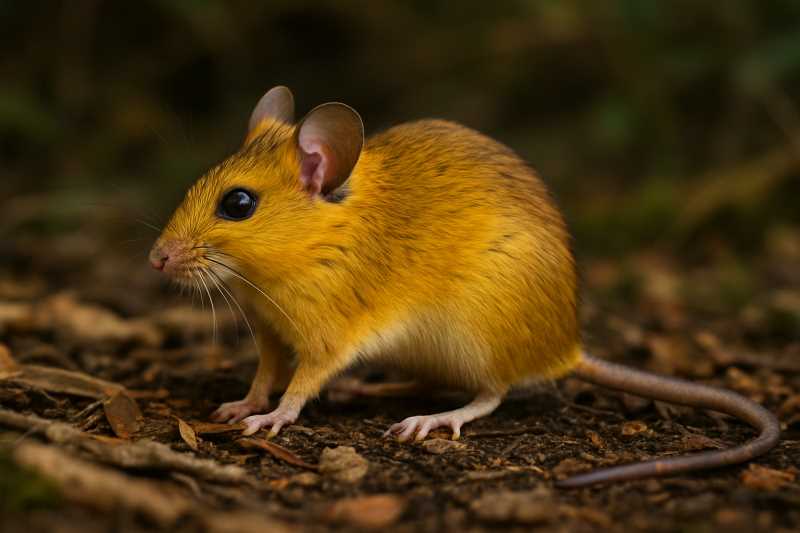
The Yellow Deermouse is a small rodent, typically measuring between 15 to 20 centimeters in total length, including its tail, which accounts for approximately half of its length. It weighs around 30 to 50 grams. As its name suggests, the Yellow Deermouse is characterized by its distinct yellowish-brown fur, which provides excellent camouflage against the forest floor. Its underbelly is paler, often a soft cream or light gray color, which contrasts with its darker dorsal side.
The deermouse possesses large, round ears that enhance its auditory capabilities, a useful adaptation for detecting predators and communicating with conspecifics. Its eyes are also relatively large, aiding in its nocturnal lifestyle by providing superior night vision. The whiskers of the Yellow Deermouse are long and sensitive, helping it navigate and sense its environment in the dark.
Range and Habitat
The Yellow Deermouse is endemic to Central America, with its range primarily encompassing parts of Costa Rica and Panama. It thrives in tropical and subtropical forests, favoring areas with dense undergrowth and abundant leaf litter. These forests provide ample cover and food resources, making them ideal habitats for the deermouse.
This species is typically found at elevations ranging from sea level to about 1,500 meters. Within these ecosystems, the Yellow Deermouse plays a critical role in seed dispersal, contributing to forest regeneration and plant diversity. Its presence indicates a healthy, functioning ecosystem.
Behavior and Diet
The Yellow Deermouse is predominantly nocturnal, exhibiting peak activity during the early hours of the night. It is a solitary creature, except during the breeding season when males and females come together for mating. The species is known for its agility and speed, which are essential for avoiding predators such as snakes, owls, and small carnivorous mammals.
In terms of diet, the Yellow Deermouse is omnivorous. Its diet primarily consists of seeds, fruits, and insects. This varied diet not only fulfills its nutritional requirements but also aids in the dispersal of seeds across its habitat. The deermouse may occasionally consume small invertebrates, providing an additional protein source.
Identification Tips (Field Recognition Cues)
Identifying the Yellow Deermouse in the field involves observing several key characteristics:
- Fur Coloration: Look for the distinctive yellowish-brown fur with a paler underbelly.
- Size and Proportions: Note the small size, with a total length of 15 to 20 centimeters including the tail.
- Ears and Eyes: Large, round ears and prominent eyes are notable features.
- Habitat: This species is typically found in dense, tropical forests within its range.
- Behavior: Active primarily at night, with quick and agile movements.
Conservation Status (with Threats and Protections)
The Yellow Deermouse is currently classified as a species of Least Concern by the IUCN Red List. However, it faces several threats that could impact its populations if not addressed. Habitat loss due to deforestation and land conversion for agriculture is a significant threat, leading to habitat fragmentation and reduced food availability.
Efforts to protect the Yellow Deermouse include the establishment of protected areas and conservation programs aimed at preserving its natural habitat. Sustainable land-use practices and reforestation projects are crucial for maintaining the ecological balance required for the survival of this species.
Frequently Asked Questions
What is the primary habitat of the Yellow Deermouse?
The Yellow Deermouse primarily inhabits tropical and subtropical forests in Central America, particularly in Costa Rica and Panama. It favors areas with dense vegetation and abundant leaf litter.
How does the Yellow Deermouse contribute to its ecosystem?
As a seed disperser, the Yellow Deermouse plays a crucial role in forest regeneration and maintaining plant diversity. It helps in the distribution of seeds, promoting plant growth across its habitat.
What are the main threats to the Yellow Deermouse?
The primary threats to the Yellow Deermouse include habitat loss due to deforestation and agricultural expansion. These activities lead to habitat fragmentation and a decrease in food resources, posing challenges to its survival.
How can I identify a Yellow Deermouse in the wild?
To identify a Yellow Deermouse, look for its yellowish-brown fur, large ears, and prominent eyes. It is a small rodent, typically active at night, and is found in dense forested areas within its range.
Are there any conservation efforts in place for the Yellow Deermouse?
Yes, there are conservation efforts aimed at protecting the Yellow Deermouse, including the establishment of protected areas and sustainable land-use practices. Reforestation projects also play a role in maintaining its habitat.
Related posts