
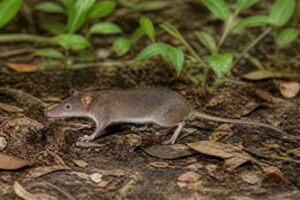
Spy Hocicudo (Oxymycterus delator)
Spy Hocicudo (Oxymycterus delator): A Comprehensive Guide Introduction The Spy Hocicudo, scientifically known as Oxymycterus delator, is a captivating mammal
Spy Hocicudo (Oxymycterus delator) Read Post »
The Hocicudo mammal family, scientifically known as Oxymycterus, is a group of rodents native to South America. These small mammals are characterized by their elongated snouts, which they use to forage for insects and other small invertebrates in the underbrush of forests and grasslands. Hocicudos are primarily nocturnal and have a keen sense of smell, aiding them in their search for food. Despite their elusive nature, they play a crucial role in their ecosystem by controlling insect populations and serving as prey for larger predators.
Spy Hocicudo (Oxymycterus delator): A Comprehensive Guide Introduction The Spy Hocicudo, scientifically known as Oxymycterus delator, is a captivating mammal
Spy Hocicudo (Oxymycterus delator) Read Post »
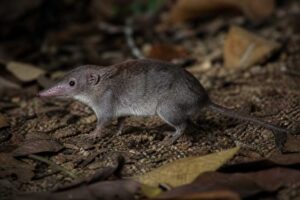
Introduction The Itapevi Hocicudo, scientifically known as Oxymycterus itapeby, is a lesser-known yet fascinating mammal species native to South America.
Itapevi Hocicudo (Oxymycterus itapeby) Read Post »
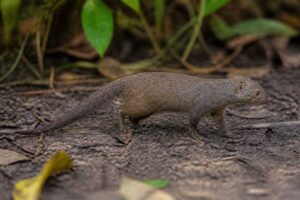
Introduction The Amazonian Hocicudo (Oxymycterus amazonicus) is a fascinating small mammal species that resides within the biodiverse Amazon rainforest. This
Amazonian Hocicudo (Oxymycterus amazonicus) Read Post »
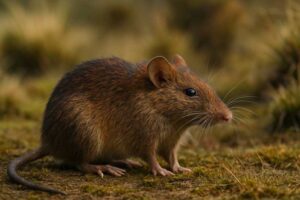
Northern Páramo Hocicudo (Oxymycterus paramensis): A Detailed Overview Introduction The Northern Páramo Hocicudo (Oxymycterus paramensis) is a fascinating mammal species
Northern Páramo Hocicudo (Oxymycterus paramensis) Read Post »
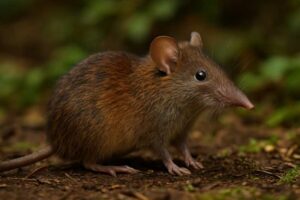
Introduction The Small Yungas Hocicudo, scientifically known as Oxymycterus hiska, is a fascinating mammal species that resides in the lush,
Small Yungas Hocicudo (Oxymycterus hiska) Read Post »
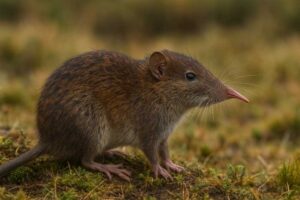
Southern Páramo Hocicudo (Oxymycterus akodontius): A Comprehensive Guide Introduction Nestled within the high-altitude ecosystems of the Andean páramos, the Southern
Southern Páramo Hocicudo (Oxymycterus akodontius) Read Post »