Introduction
The Amazonian Hocicudo (Oxymycterus amazonicus) is a fascinating small mammal species that resides within the biodiverse Amazon rainforest. This rodent, belonging to the family Cricetidae, is a lesser-known yet ecologically significant part of the Amazonian ecosystem, playing a crucial role in seed dispersion and soil aeration. Despite its low profile, the Amazonian Hocicudo’s existence is vital for maintaining the delicate balance within its natural habitat.
The focus of this article is to provide a comprehensive overview of the Amazonian Hocicudo, covering its physical characteristics, natural habitat, behavior, diet, and conservation status. We will also provide identification tips for enthusiastic wildlife observers and address some frequently asked questions about this intriguing species.
Physical Description
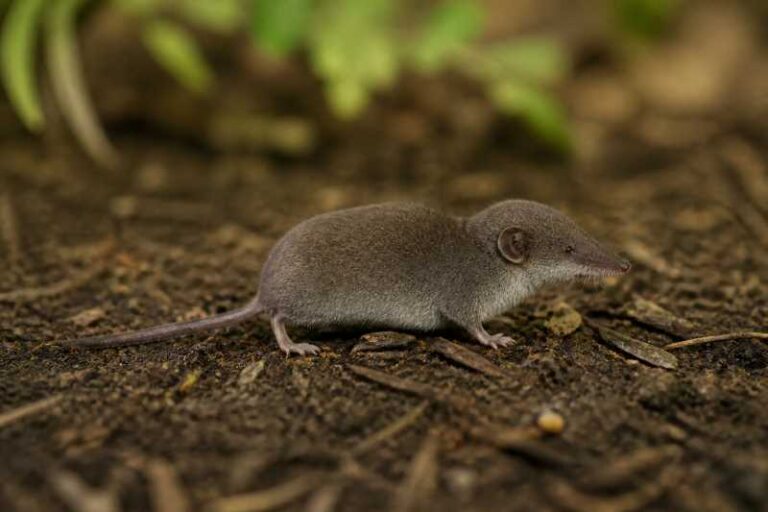
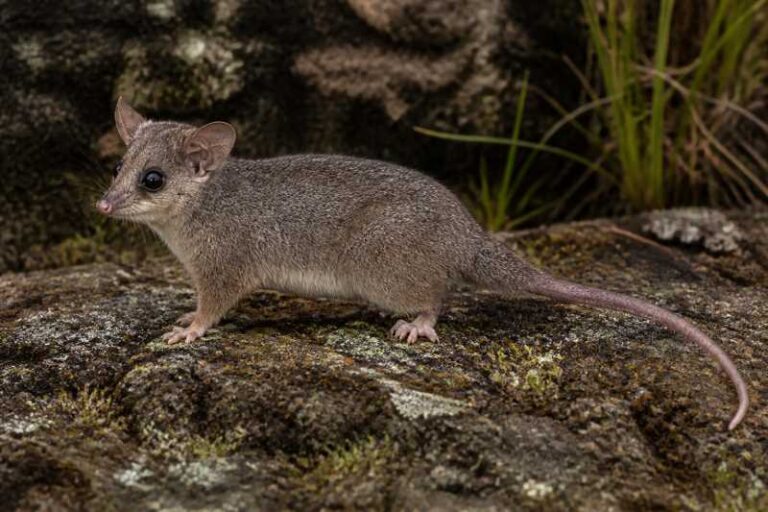
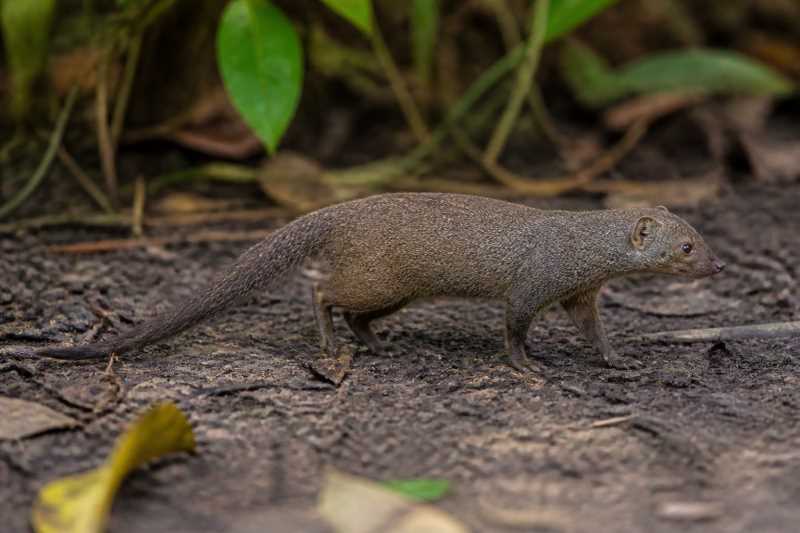
The Amazonian Hocicudo is a small rodent, typically measuring between 12 to 15 centimeters in length, excluding its tail, which can add an additional 10 to 14 centimeters. Weighing between 50 to 80 grams, this species is characterized by its elongated snout, which is an adaptation for its foraging behavior. The fur of the Amazonian Hocicudo is generally dense and soft, with a color palette ranging from reddish-brown to dark brown on the dorsal side, while the ventral side is a lighter gray or white.
Their limbs are short but robust, equipped with sharp claws that are ideal for digging. The ears are relatively small and rounded, and their eyes are dark, providing them with adequate night vision. This physical arrangement allows the Amazonian Hocicudo to thrive in its environment, navigating the dense undergrowth and burrowing into the forest floor.
Range and Habitat
The Amazonian Hocicudo is predominantly found in the Amazon rainforest, which spans across several South American countries including Brazil, Peru, Colombia, and Bolivia. This species prefers dense, humid tropical forests and is most commonly found at lower elevations, although it can occasionally be seen in montane forests.
Their habitat is characterized by heavy rainfall, high humidity, and a rich diversity of plant and animal life. The Amazonian Hocicudo often inhabits areas with thick understory vegetation, which offers cover from predators and a rich supply of food. They are known to create intricate burrow systems that provide shelter and aid in their foraging activities.
Behavior and Diet
The Amazonian Hocicudo is primarily nocturnal, spending its nights foraging for food and its days hidden away in its burrows. The diet of this species is omnivorous, consisting of seeds, fruits, insects, and small invertebrates. Their elongated snout and keen sense of smell are instrumental in locating food sources hidden within the forest floor.
Socially, the Amazonian Hocicudo is relatively solitary. While they may share territory with others of their species, direct interaction is minimal except during the breeding season. Breeding typically occurs during the wet season when resources are plentiful, and females give birth to litters of 2 to 4 young after a gestation period of about 30 days.
Identification Tips (Field Recognition Cues)
Spotting an Amazonian Hocicudo in the dense Amazon rainforest can be a challenging endeavor. However, there are some cues that can aid in identification:
- Time of Activity: Look for them during dusk or nighttime when they are most active.
- Distinctive Snout: Their elongated snout is unique among similar-sized rodents.
- Burrow Entrances: Look for small, rounded burrow entrances in the forest floor.
- Fur Coloration: Note the reddish-brown to dark brown dorsal fur contrasting with lighter underbelly.
- Sound: Listen for rustling in the underbrush as they forage.
Conservation Status (with Threats and Protections)
Currently, the Amazonian Hocicudo is not listed as endangered, but like many species native to the Amazon, it faces significant threats due to habitat destruction. Deforestation for agriculture, logging, and infrastructure development poses the greatest risks, leading to habitat fragmentation and loss.
Climate change is another emerging threat, potentially altering the delicate ecological balance of the Amazon rainforest. Conservation efforts are crucial to ensure the survival of the Amazonian Hocicudo, along with many other species that share its habitat.
Efforts to protect the Amazon rainforest, including national park designations and sustainable land management practices, indirectly benefit the Amazonian Hocicudo. International cooperation and local conservation programs are essential to mitigate the impacts of human activity and preserve this vital ecosystem.
Frequently Asked Questions
1. What role does the Amazonian Hocicudo play in its ecosystem?
The Amazonian Hocicudo plays a vital role in seed dispersion and soil aeration. By foraging for seeds and insects, they help to control insect populations and promote plant diversity through their seed-spreading activities.
2. How can I differentiate the Amazonian Hocicudo from other similar rodents?
Key differences include their elongated snout, reddish-brown to dark brown fur, and nocturnal habits. Observing these characteristics can help distinguish them from other rodents in the Amazon.
3. Are there any conservation programs specifically for the Amazonian Hocicudo?
While there are no specific programs solely focused on the Amazonian Hocicudo, broader conservation efforts aimed at preserving the Amazon rainforest indirectly benefit the species.
4. What adaptations allow the Amazonian Hocicudo to thrive in the rainforest?
Their adaptations include an elongated snout for foraging, sharp claws for digging, and a nocturnal lifestyle that minimizes predation risks.
5. Are Amazonian Hocicudos social animals?
No, they are generally solitary, interacting with others primarily during the breeding season or when sharing overlapping territories.
Related posts