Southern Páramo Hocicudo (Oxymycterus akodontius): A Comprehensive Guide
Introduction
Nestled within the high-altitude ecosystems of the Andean páramos, the Southern Páramo Hocicudo (Oxymycterus akodontius) is a small, elusive rodent that has piqued the interest of wildlife enthusiasts and researchers alike. This remarkable species, belonging to the genus Oxymycterus, plays a vital role in the delicate ecosystem of the páramo, a unique biome characterized by its grassland and shrubland habitats. The Southern Páramo Hocicudo, often overshadowed by more prominent Andean fauna, is a fascinating subject of study due to its adaptations to cold, high-altitude environments and its role in local biodiversity.
Physical Description
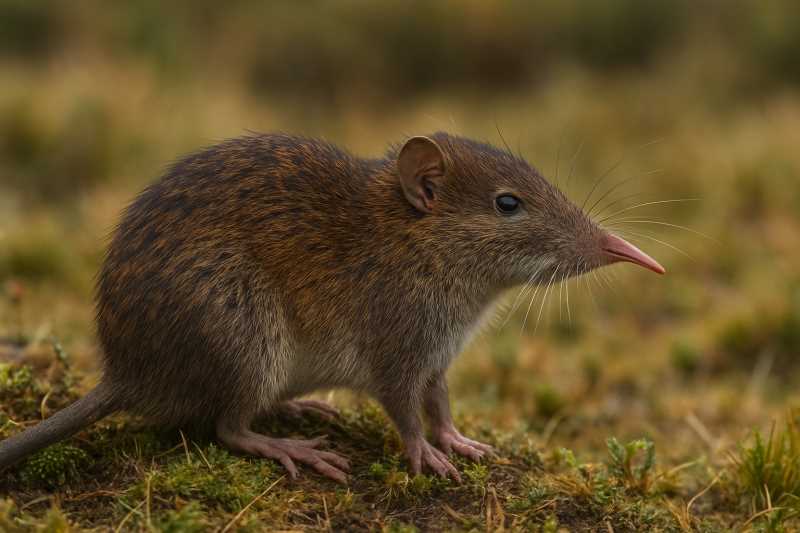
The Southern Páramo Hocicudo is a small mammal, typically weighing between 30 to 50 grams with a body length of 10 to 15 centimeters, excluding its tail, which adds another 8 to 10 centimeters. Its fur is dense and soft, providing essential insulation against the cold temperatures of its high-altitude habitat. The fur coloration is predominantly a mix of brown and gray, which serves as effective camouflage against the rocky and grassy terrain of the páramo. Its elongated snout, or "hocico," gives this rodent its name and is adapted for foraging in soil and leaf litter.
The Southern Páramo Hocicudo possesses sharp, curved claws that aid in digging and climbing, as well as long, sensitive whiskers that help navigate its environment. Its eyes are relatively small, indicating a reliance on other senses for survival in its often foggy and dimly lit habitat.
Range and Habitat
Oxymycterus akodontius is endemic to the Andean mountain ranges, specifically found in the páramo regions of southern Colombia, Ecuador, and northern Peru. These páramos are located at elevations ranging from 2,800 to 4,300 meters above sea level. The ecosystem is characterized by its unique combination of grasslands, shrubs, and wetlands, which are subject to frequent temperature fluctuations and high levels of humidity.
The Southern Páramo Hocicudo primarily inhabits areas with dense ground cover, utilizing the thick vegetation and rocky outcrops for shelter and protection from predators. The páramo’s mosaic of microhabitats supports a diverse range of flora and fauna, making it a critical area for biodiversity.
Behavior and Diet
The Southern Páramo Hocicudo is primarily nocturnal, with peak activity occurring during the twilight hours of dawn and dusk. This behavior helps the animal avoid many of its natural predators, such as birds of prey and larger mammals. It is a solitary creature, except during the breeding season when pairs come together to mate.
The species is omnivorous, with a diet consisting of seeds, fruits, insects, and small invertebrates. Its foraging behavior is facilitated by its sensitive snout and whiskers, which help it locate food sources under leaves and soil. The Southern Páramo Hocicudo plays an important ecological role by aiding in seed dispersal and controlling insect populations.
Identification Tips
Recognizing the Southern Páramo Hocicudo in the field requires attention to several distinct features:
- Size and Shape: Small size with a robust, rounded body and an elongated snout.
- Fur Texture and Color: Dense, soft fur that is a mix of brown and gray, providing camouflage.
- Tail and Whiskers: A long tail (slightly shorter than the body) and prominent whiskers.
- Behavior: Nocturnal and solitary; often seen foraging at dawn or dusk.
- Habitat Preference: Found in high-altitude páramo ecosystems, often near dense ground cover.
Conservation Status
The conservation status of the Southern Páramo Hocicudo is currently listed as "Data Deficient" by the International Union for Conservation of Nature (IUCN), due to a lack of comprehensive studies on its population trends and habitat requirements. However, the species faces several threats that could impact its survival, including habitat loss due to agricultural expansion, climate change, and human encroachment.
Efforts to protect the páramo ecosystem are crucial for the conservation of Oxymycterus akodontius. National parks and protected areas in the Andes play a significant role in preserving these unique habitats. Conservationists advocate for increased research to better understand the species’ ecology and to develop effective management strategies.
Frequently Asked Questions
What is the natural habitat of the Southern Páramo Hocicudo?
The Southern Páramo Hocicudo is native to the Andean páramos, thriving in high-altitude grasslands and shrublands found in Colombia, Ecuador, and northern Peru.
How does the Southern Páramo Hocicudo adapt to its cold environment?
This species has dense, insulating fur and a rounded body that help conserve heat, along with behavioral adaptations such as nocturnal activity to avoid cold daytime temperatures.
What is the diet of Oxymycterus akodontius?
The Southern Páramo Hocicudo is omnivorous, feeding on seeds, fruits, insects, and small invertebrates, which it forages using its sensitive snout and whiskers.
Why is the Southern Páramo Hocicudo important to its ecosystem?
It plays a critical role in seed dispersal and insect population control, contributing to the health and balance of the páramo ecosystem.
What are the main threats to the Southern Páramo Hocicudo?
Key threats include habitat loss due to agriculture, climate change, and human encroachment, which may lead to population declines if not addressed through conservation efforts.
Related posts