Introduction
The Itapevi Hocicudo, scientifically known as Oxymycterus itapeby, is a lesser-known yet fascinating mammal species native to South America. This small rodent belongs to the family Cricetidae, which encompasses a diverse range of New World rats and mice. Despite its diminutive size, the Itapevi Hocicudo plays a crucial role in its ecosystem, contributing to seed dispersal and soil aeration. As a relatively recently described species, first documented in 2005, it has sparked interest among mammalogists and conservationists alike.
Understanding the biology and ecology of the Itapevi Hocicudo is essential for its conservation, especially as it faces increasing threats from habitat destruction and climate change. This article delves into various aspects of the species, including its physical characteristics, habitat preferences, behavior, diet, and conservation status.
Physical Description
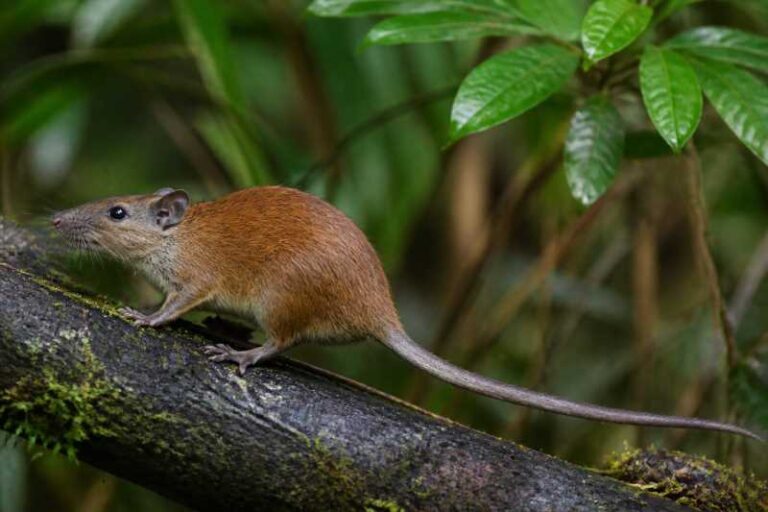
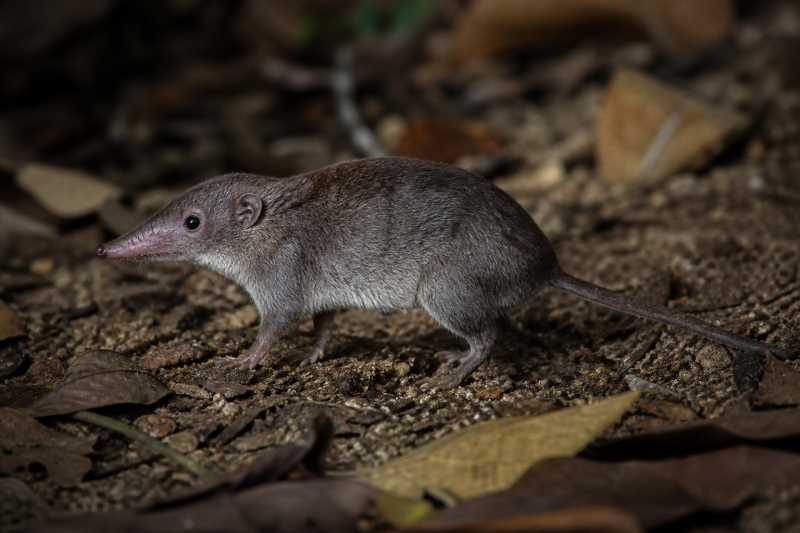
The Itapevi Hocicudo is a small rodent with a robust, compact body. Its fur is soft and dense, typically exhibiting a reddish-brown hue on the dorsal side and a lighter, creamy color on the ventral side. This coloration provides effective camouflage against the forest floor, helping it evade predators. The species has a distinctively long, pointed snout, which is an adaptation for its insectivorous diet.
Adult Itapevi Hocicudos typically measure between 12 to 15 centimeters in body length, with a tail length of approximately 9 to 12 centimeters. Their tails are sparsely haired and slightly shorter than their bodies, aiding them in balance and mobility. The species possesses sharp, curved claws that are well-suited for digging and foraging in the leaf litter.
The eyes of the Itapevi Hocicudo are relatively small, indicating a reliance on other senses, such as smell and touch, to navigate their environment. Their ears are also small and rounded, lying close to the head to minimize heat loss, a common trait among rodents inhabiting forest habitats.
Range and Habitat
The Itapevi Hocicudo is endemic to Brazil, specifically found in the Atlantic Forest biome, one of the world’s most diverse yet threatened ecosystems. Its range is primarily restricted to the southeastern states of São Paulo and Rio de Janeiro. This region is characterized by humid, subtropical forests with a high degree of biodiversity.
The species thrives in dense undergrowth and prefers areas with abundant leaf litter and decaying wood, which provide ample opportunities for foraging. The Itapevi Hocicudo is also known to inhabit secondary forests and disturbed areas, demonstrating some adaptability to changing environments. However, primary forests remain crucial for its survival due to their complex structure and diversity of microhabitats.
Behavior and Diet
The Itapevi Hocicudo is primarily nocturnal, spending the night foraging for food and the day resting in burrows or under dense vegetation. Its diet mainly consists of insects, such as beetles and their larvae, making it an important insectivore in its ecosystem. Additionally, the species occasionally feeds on seeds, fruits, and other plant materials, contributing to seed dispersal.
These rodents are solitary and territorial, with individuals maintaining small home ranges that they actively defend from intruders. Communication among Itapevi Hocicudos is facilitated through scent marking and vocalizations, though visual cues are less important due to their nocturnal habits.
Reproduction in the Itapevi Hocicudo is not well-documented, but like many rodents, they are likely to have multiple litters per year, with a gestation period of around 20 to 30 days. Litter sizes can vary, but typically range from two to four offspring.
Identification Tips (Field Recognition Cues)
Identifying the Itapevi Hocicudo in the field can be challenging due to its elusive nature and nocturnal habits. However, several key features can aid in recognition:
- Coloration: Look for the distinct reddish-brown dorsal fur and lighter ventral side. This coloration pattern is a key visual cue.
- Snout Shape: The long, pointed snout is a distinctive feature, indicative of its insectivorous diet.
- Tail Length: The tail is slightly shorter than the body, sparsely haired, and crucial for balance.
- Habitat: Search in dense undergrowth within the Atlantic Forest, especially areas with abundant leaf litter.
- Activity Time: Observations are more likely at night due to their nocturnal nature.
Conservation Status (with threats and protections)
The conservation status of the Itapevi Hocicudo is currently classified as Data Deficient by the International Union for Conservation of Nature (IUCN). This designation reflects the lack of comprehensive data on its population size, distribution, and trends. However, the species is believed to be under threat due to ongoing habitat destruction in the Atlantic Forest, primarily from deforestation for agriculture, urbanization, and logging.
Climate change poses an additional threat by altering the availability of resources and suitable habitats. The fragmentation of forests further isolates populations, reducing genetic diversity and increasing vulnerability to stochastic events.
Conservation efforts for the Itapevi Hocicudo are intertwined with broader initiatives to preserve the Atlantic Forest. Protected areas, such as national parks and biological reserves, play a vital role in safeguarding the species’ habitats. Furthermore, reforestation projects and sustainable land-use practices are essential to mitigate habitat loss.
Frequently Asked Questions
1. What is the diet of the Itapevi Hocicudo? The Itapevi Hocicudo primarily feeds on insects, such as beetles and larvae, but also consumes seeds and fruits occasionally.
2. Where can the Itapevi Hocicudo be found? This species is endemic to Brazil’s Atlantic Forest, particularly in the southeastern states of São Paulo and Rio de Janeiro.
3. How can I identify an Itapevi Hocicudo? Identifying features include reddish-brown dorsal fur, a long pointed snout, and a tail slightly shorter than the body. Observations are best made at night.
4. What threats does the Itapevi Hocicudo face? Major threats include habitat destruction due to deforestation, urbanization, and climate change. These factors lead to habitat fragmentation and loss.
5. Are there conservation efforts for the Itapevi Hocicudo? Yes, conservation efforts focus on protecting the Atlantic Forest through national parks, biological reserves, and reforestation projects.
Related posts