Introduction
The Small Yungas Hocicudo, scientifically known as Oxymycterus hiska, is a fascinating mammal species that resides in the lush, biodiverse Yungas region of South America. This small rodent is a member of the family Cricetidae, which encompasses a wide variety of other unique rodents. Notably, the Small Yungas Hocicudo plays a crucial role in its ecosystem, contributing to seed dispersion and soil aeration. Despite its ecological importance, it remains relatively understudied, with much of its behavior and ecology still shrouded in mystery. This article aims to shed light on the various aspects of the Small Yungas Hocicudo, from its physical characteristics to its conservation status.
Physical Description
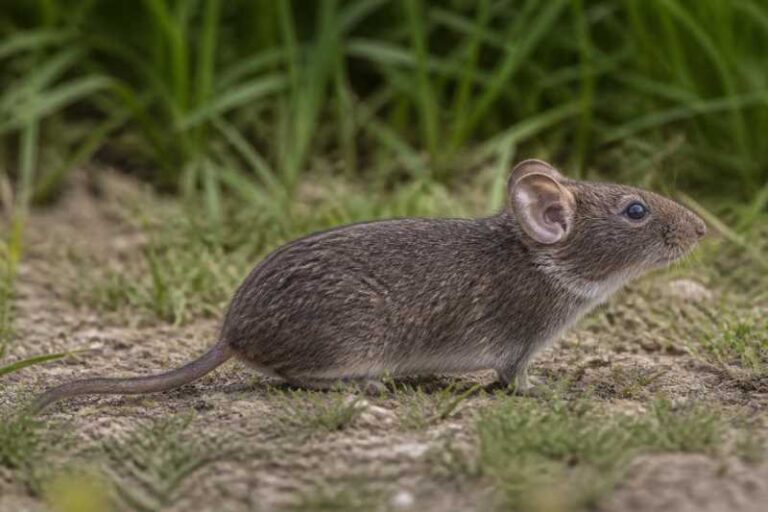
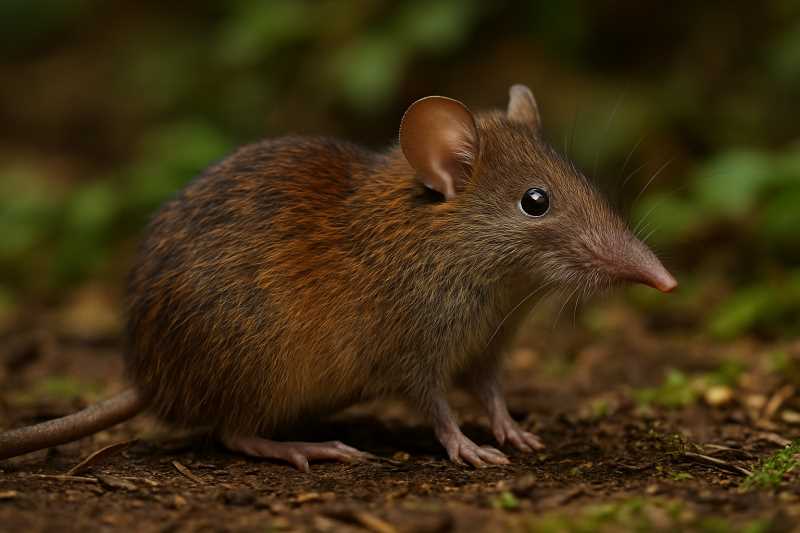
The Small Yungas Hocicudo is characterized by its diminutive size and distinctive appearance. Typically, an adult measures about 10 to 12 centimeters in body length, excluding the tail, which adds an additional 8 to 10 centimeters. It has a soft, dense fur coat that ranges in color from dark brown to almost black, providing excellent camouflage within its forested habitat. Its underparts are generally lighter, often a pale gray or white.
One of the most notable features of the Small Yungas Hocicudo is its elongated snout, which is adapted for foraging in leaf litter and soil. This snout is equipped with highly sensitive whiskers that aid in navigation and food detection. The species also has small, rounded ears and relatively large eyes, which are well-suited for nocturnal activity.
Its limbs are short but strong, with forelimbs possessing long claws designed for digging. This adaptation is crucial for accessing its primary food sources, which are often buried within the forest floor.
Range and Habitat
The Small Yungas Hocicudo is endemic to the Yungas, a region that extends through parts of Bolivia and Argentina. This area is known for its unique montane forest ecosystem, characterized by high humidity and dense, diverse vegetation. The Yungas forest is located on the eastern slopes of the Andes and ranges in elevation from 400 to over 3,000 meters above sea level.
Within this habitat, the Small Yungas Hocicudo prefers the dense undergrowth of the lower montane forests, where it can find ample cover and food. These forests are rich in lianas, epiphytes, and a variety of tree species, creating a complex, layered environment that supports a wide array of wildlife.
Behavior and Diet
The Small Yungas Hocicudo is primarily nocturnal, spending its nights actively foraging for food and its days resting in burrows or under dense vegetation. Its diet is omnivorous, consisting mainly of seeds, fruits, insects, and small invertebrates. This varied diet allows it to adapt to seasonal changes in food availability.
During foraging, the Small Yungas Hocicudo uses its elongated snout and sharp claws to dig through leaf litter and soil in search of food. It is known to store food in its burrows, especially during times of abundance, to ensure a steady supply during leaner periods.
Socially, the Small Yungas Hocicudo is relatively solitary, with individuals maintaining territories that they defend against intruders. Communication is primarily through scent marking and vocalizations, which are used to establish dominance and repel rivals.
Identification Tips (Field Recognition Cues)
Identifying the Small Yungas Hocicudo in the field can be challenging due to its elusive nature and the dense environments it inhabits. However, certain cues can aid in its recognition:
- Elongated Snout: Look for the distinctive long snout that sets it apart from other small rodents.
- Fur Coloration: Note the dark brown to black fur with lighter underparts, which provides effective camouflage.
- Nocturnal Activity: Spotting is more likely at night, when the species is most active.
- Habitat Preference: Focus on areas with dense undergrowth and leaf litter within the Yungas forests.
- Burrowing Behavior: Look for signs of digging or small burrows, which may indicate the presence of this species.
Conservation Status (with Threats and Protections)
The conservation status of the Small Yungas Hocicudo is currently classified as "Data Deficient" by the International Union for Conservation of Nature (IUCN). This classification highlights the need for more research to determine population sizes and trends.
Several threats jeopardize the survival of this species, primarily habitat destruction due to deforestation, agricultural expansion, and urbanization. The Yungas forests are increasingly being cleared for farming and development, leading to habitat fragmentation and loss.
Conservation efforts for the Small Yungas Hocicudo are limited but essential. Protecting the Yungas forests through the establishment of protected areas and sustainable land-use practices is crucial. Additionally, further research is needed to better understand the ecology and population dynamics of this intriguing species.
Frequently Asked Questions
What is the primary diet of the Small Yungas Hocicudo?
The Small Yungas Hocicudo is omnivorous, feeding on a diet that includes seeds, fruits, insects, and small invertebrates. Its diet varies with seasonal availability, allowing it to adapt to different food resources throughout the year.
Where can I find the Small Yungas Hocicudo?
This species is endemic to the Yungas region in Bolivia and Argentina. It primarily inhabits the lower montane forests with dense undergrowth, where it can find ample cover and food.
Why is the conservation status of the Small Yungas Hocicudo "Data Deficient"?
The "Data Deficient" status indicates that there is insufficient information available to make a precise assessment of its population size and trends. More research is needed to gather relevant data for a comprehensive evaluation.
How does the Small Yungas Hocicudo contribute to its ecosystem?
The Small Yungas Hocicudo plays a vital role in seed dispersion and soil aeration. By foraging and digging, it helps distribute seeds and improve soil health, supporting plant growth and ecosystem stability.
What threats does the Small Yungas Hocicudo face?
The primary threats include habitat destruction due to deforestation, agricultural expansion, and urbanization. These activities lead to habitat fragmentation and loss, posing significant risks to the species’ survival.
Related posts