The Endangered Wetar Ground Dove: A Jewel of the Indonesian Archipelago
The Wetar Ground Dove, scientifically known as Pampusana hoedtii, is a rare and mesmerizing species of pigeon that has captured the attention of ornithologists and conservationists alike. Endemic to Indonesia, this bird finds its home primarily on the islands of Wetar and Timor, where it inhabits dense forests and scrublands. Despite its enchanting presence, the Wetar Ground Dove is facing a perilous existence, with its population numbers dwindling at an alarming rate. This article delves into the fascinating characteristics of this species, the threats it faces, and the concerted efforts being made to preserve its habitat and ensure its survival.
Characteristics and Behavior
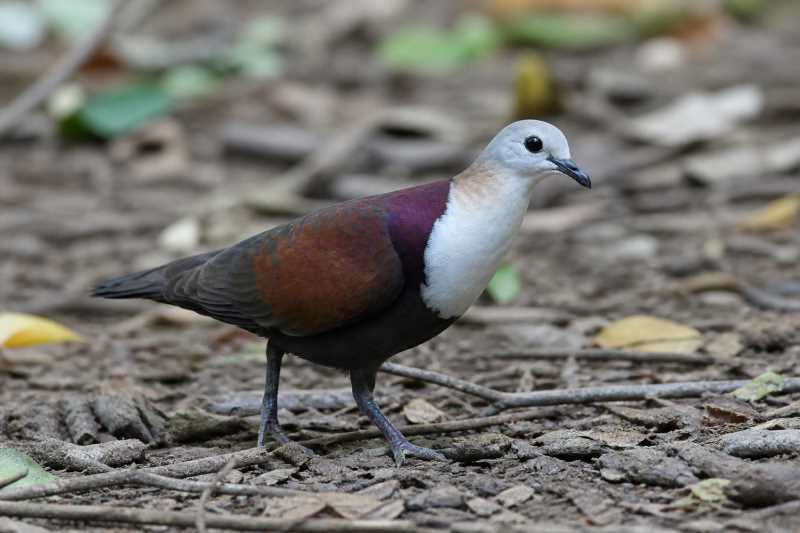
The Wetar Ground Dove is a small, secretive bird, measuring around 20 to 24 centimeters in length. It boasts a distinct plumage that sets it apart from other species. Its back and wings are adorned with a subtle olive-brown hue, while the head and underparts display a more vibrant and contrasting blend of colors, including shades of blue and grey. The bird’s most striking feature is its iridescent green patch on the nape, which gleams in the sunlight, earning it the moniker "emerald dove" among local communities.
Despite its captivating appearance, the Wetar Ground Dove is notoriously elusive, often preferring to remain hidden within the dense undergrowth. It is primarily terrestrial, foraging on the forest floor for seeds, fruits, and insects. The bird’s quiet demeanor and low vocalizations make it a challenging subject for study, adding to the mystery that surrounds this enigmatic species.
Habitat and Distribution
Restricted to the islands of Wetar and Timor in the Indonesian archipelago, the Wetar Ground Dove’s habitat is characterized by tropical and subtropical moist broadleaf forests. These environments provide essential resources for the bird, including food, shelter, and nesting sites. However, these habitats are under significant threat from human activities, primarily deforestation and land conversion for agriculture and development.
The fragmentation of forests poses a grave threat to the Wetar Ground Dove, as it relies on large, contiguous areas of habitat to thrive. The degradation of these environments not only reduces the availability of food and shelter but also exposes the bird to increased predation and competition from invasive species. Consequently, the Wetar Ground Dove has been classified as "Endangered" by the International Union for Conservation of Nature (IUCN).
Threats to Survival
The primary threat to the Wetar Ground Dove is habitat loss, driven by deforestation and land-use change. The expansion of agricultural activities, logging operations, and infrastructure development are rapidly encroaching upon the bird’s natural habitat, leading to its fragmentation and degradation. Additionally, the introduction of invasive species, such as rats and cats, poses a significant risk, as they prey on the eggs and young of the Wetar Ground Dove, further exacerbating its decline.
Climate change also presents a looming threat, with shifting weather patterns and rising temperatures potentially altering the delicate balance of the island ecosystems. These changes could result in the loss of suitable habitat and food sources, making it increasingly difficult for the Wetar Ground Dove to survive.
Conservation Efforts
Recognizing the urgent need to protect this endangered species, various conservation initiatives have been implemented to safeguard the Wetar Ground Dove and its habitat. Local and international organizations are working in collaboration with the Indonesian government to establish protected areas, where the bird can thrive without the threat of human interference.
Efforts are also being made to restore degraded habitats through reforestation projects and the removal of invasive species. These initiatives aim to create a more hospitable environment for the Wetar Ground Dove and other native wildlife, promoting biodiversity and ecological resilience.
Community engagement and education play a crucial role in conservation efforts. By raising awareness about the importance of preserving the Wetar Ground Dove and its habitat, local communities can become active participants in conservation strategies. Sustainable land-use practices, such as agroforestry and ecotourism, are being promoted as viable alternatives to deforestation, providing economic incentives for conservation.
Conclusion
The Wetar Ground Dove is a symbol of the rich biodiversity found within the Indonesian archipelago, yet it faces an uncertain future. The combined efforts of conservationists, local communities, and governments are crucial in ensuring the survival of this enchanting species. By addressing the threats of habitat loss, invasive species, and climate change, we can hope to secure a future where the Wetar Ground Dove continues to thrive, enchanting future generations with its beauty and mystery.
In the face of adversity, it is our responsibility to protect the natural heritage embodied by the Wetar Ground Dove, ensuring that this precious species is not lost to the annals of history but continues to grace the forests of Wetar and Timor for years to come.
Related posts