Jamaican Blackbird: A Rare Gem of the Caribbean Avifauna
Introduction
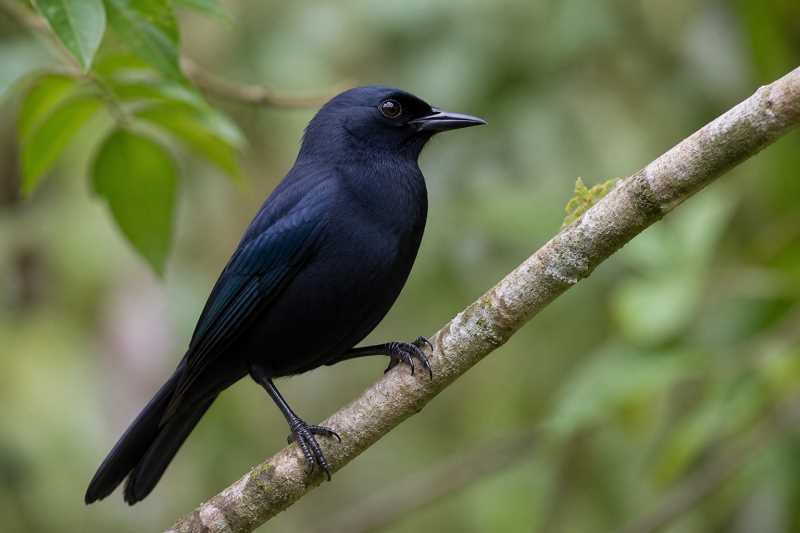
Nestled within the lush tropical forests of Jamaica, the Jamaican Blackbird (Nesopsar nigerrimus), also known as the "Bob Marley Bird," stands as a testament to the island’s rich biodiversity and unique ecological heritage. This enigmatic bird, endemic to Jamaica, is a member of the Icteridae family and is renowned for its distinctive glossy black plumage and melodious song. Despite its striking appearance and cultural significance, the Jamaican Blackbird faces numerous conservation challenges, making it a focal point for ornithologists and conservationists alike. This article delves into the fascinating world of the Jamaican Blackbird, exploring its taxonomy, behavior, habitat, and the urgent conservation efforts needed to ensure its survival.
Taxonomy and Classification
The Jamaican Blackbird belongs to the order Passeriformes and the family Icteridae, which includes over a hundred species of New World blackbirds, orioles, and allies. The scientific name, Nesopsar nigerrimus, reflects its unique evolutionary history and its adaptation to the island’s specific environmental conditions. Described by Philip Lutley Sclater in 1886, the Jamaican Blackbird is the sole species within its genus, highlighting its distinct evolutionary pathway.
Physical Description
The Jamaican Blackbird is a medium-sized passerine, measuring approximately 20-23 centimeters in length. Both males and females exhibit a uniform glossy black plumage, which shimmers with a subtle iridescence under the sunlight. This iridescence, combined with the bird’s sleek profile, lends it a captivating elegance. The bill is slender and slightly curved, adapted for probing into bark and foliage in search of insects. Their eyes are a deep brown, adding to their enigmatic presence in the dense Jamaican forests.
Habitat and Distribution
Endemic to Jamaica, the Jamaican Blackbird primarily inhabits the montane and sub-montane forests of the island. These forests, characterized by high rainfall and dense vegetation, provide an ideal environment for the bird’s insectivorous diet. The Blue and John Crow Mountains, a UNESCO World Heritage Site, represent the core of the Jamaican Blackbird’s range. Here, the bird finds refuge in the towering trees and lush undergrowth, away from the encroaching threats of human activity.
Behavior and Ecology
The Jamaican Blackbird is a solitary and elusive species, often found foraging alone or in pairs. Its diet mainly consists of insects and other arthropods, which it skillfully extracts from the bark of trees and among the forest leaf litter. The bird’s foraging technique is characterized by a methodical and deliberate approach, using its slender bill to probe for hidden prey. This behavior not only highlights the bird’s adaptation to its environment but also its role in controlling insect populations within its habitat.
Vocalizations of the Jamaican Blackbird are a series of melodious whistles and trills, often echoing through the dense forest canopy. These calls serve as both territorial markers and mating signals, contributing to the bird’s social dynamics within its habitat.
Reproductive Behavior
Little is known about the breeding habits of the Jamaican Blackbird, largely due to its elusive nature and the dense habitats it occupies. However, like many passerines, it is presumed that they engage in monogamous pairings during the breeding season. Nests are typically constructed in secluded locations, using twigs, leaves, and other natural materials to form a secure cradle for their eggs. The breeding season is thought to coincide with periods of high insect abundance, ensuring ample food supply for their chicks.
Conservation Status and Threats
The Jamaican Blackbird is currently classified as Vulnerable on the IUCN Red List, a designation that underscores the precarious nature of its survival. The primary threat to the species is habitat loss, driven by deforestation, agricultural expansion, and human settlement encroachment. Jamaica’s forests have been significantly reduced over the past century, with only a fraction of the original forest cover remaining. This loss of habitat not only reduces the available territory for the Jamaican Blackbird but also disrupts the ecological balance of the forest systems it inhabits.
Additionally, climate change poses a long-term threat to the island’s ecosystems, with potential alterations in rainfall patterns and temperature regimes impacting the delicate balance of the montane forests. Invasive species, such as rats and mongooses, also present a significant threat, preying on eggs and young birds, further exacerbating the bird’s decline.
Conservation Efforts and Strategies
Recognizing the Jamaican Blackbird’s vulnerable status, conservation efforts have been initiated to safeguard its future. These efforts are spearheaded by organizations such as BirdLife International and the Jamaican Conservation and Development Trust, which work in collaboration with local communities and governmental agencies.
Key conservation strategies include:
- Habitat Protection and Restoration: Efforts to preserve and restore Jamaica’s montane forests are critical. This includes reforestation projects, legal protection of key habitats, and sustainable land management practices that benefit both biodiversity and local communities.
- Research and Monitoring: Comprehensive research is essential to better understand the Jamaican Blackbird’s ecology, behavior, and population dynamics. Long-term monitoring programs help track population trends and assess the effectiveness of conservation interventions.
- Community Engagement and Education: Local communities play a vital role in conservation efforts. Education initiatives aim to raise awareness about the importance of the Jamaican Blackbird and its habitat, fostering a sense of stewardship among residents.
- Invasive Species Control: Programs to manage and eradicate invasive species are crucial to protect native bird populations. Effective predator control measures can significantly enhance breeding success and survival rates.
- Climate Change Mitigation: Addressing the broader impacts of climate change through adaptive management strategies is essential to ensure the resilience of Jamaica’s ecosystems.
Conclusion
The Jamaican Blackbird, with its glossy black plumage and melodious song, is a symbol of Jamaica’s unique natural heritage. Its survival is intricately linked to the health of the island’s montane forests, making conservation efforts a top priority for those dedicated to preserving the Caribbean’s biodiversity. By protecting the habitats and addressing the threats facing the Jamaican Blackbird, we can ensure that future generations will continue to enjoy the presence of this rare and beautiful bird in the heart of Jamaica’s forests.
References
- BirdLife International (2023). Species factsheet: Nesopsar nigerrimus.
- Jamaican Conservation and Development Trust (2022). Conservation efforts for the Jamaican Blackbird.
- Sclater, P.L. (1886). Description of Nesopsar nigerrimus.
- IUCN Red List of Threatened Species (2023). Nesopsar nigerrimus.
Meta Title: "Jamaican Blackbird: Preserving a Caribbean Treasure"
Meta Description: "Explore the captivating world of the Jamaican Blackbird, its ecology, and urgent conservation efforts to protect this rare Caribbean gem."
Related posts