Understanding the Yellow-billed Oxpecker: Nature’s Symbiotic Specialist
The Yellow-billed Oxpecker (Buphagus africanus) is a fascinating bird species native to sub-Saharan Africa. Known for its symbiotic relationship with large mammals, this bird plays a critical role in maintaining the health of its hosts by feeding on parasites and dead skin. In this article, we delve into the unique behaviors, ecological significance, and conservation status of this remarkable avian species.
Taxonomy and Physical Characteristics
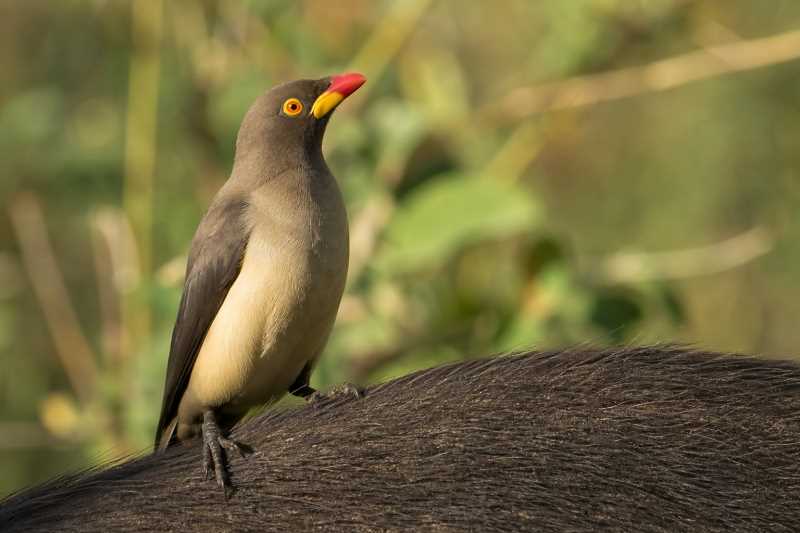
Belonging to the family Buphagidae, the Yellow-billed Oxpecker is one of two species within the genus Buphagus, the other being the Red-billed Oxpecker (Buphagus erythrorhynchus). Measuring approximately 20 centimeters in length, this bird is easily identifiable by its yellow, slightly curved beak, which distinguishes it from its red-billed counterpart. Its plumage is predominantly brown with lighter underparts, and it possesses striking red eyes that lend an exotic appearance.
Habitat and Distribution
The Yellow-billed Oxpecker thrives in savanna habitats where large populations of ungulates such as buffalo, giraffes, and rhinoceroses exist. These birds are commonly found across a wide geographical range, including countries like Kenya, Tanzania, Zimbabwe, and South Africa. Their preference for open grasslands and sparse woodlands aligns with the environments where their mammalian hosts are most abundant.
Symbiotic Relationships: A Mutualistic Bond
The Yellow-billed Oxpecker is best known for its symbiotic relationships with large mammals, a classic example of mutualism where both species benefit. These birds spend their days perched on the backs of animals, diligently removing ticks, fleas, and other parasites. This feeding habit not only provides the oxpecker with a reliable food source but also offers significant health benefits to their hosts by reducing the parasite load on their bodies.
In addition to feeding on parasites, Yellow-billed Oxpeckers have been observed consuming earwax, mucus, and even blood from open wounds. While this opportunistic feeding behavior occasionally raises concerns about the potential for wound aggravation, the overall impact on host health is generally positive. The birds’ presence serves as a natural pest control mechanism, contributing to the well-being of their mammalian partners.
Behavioral Traits and Social Structure
Yellow-billed Oxpeckers are highly social birds, often seen in small flocks. These flocks are typically composed of family groups, and the birds exhibit cooperative behaviors such as mutual preening and communal roosting. Communication within these groups is facilitated through a series of calls and whistles, which help maintain cohesion and alert members to potential threats.
During breeding season, which varies depending on the region, pairs form monogamous bonds and build nests in tree cavities or old woodpecker holes. The female lays between two to three eggs, which both parents incubate. After hatching, chicks are cared for by both parents and occasionally assisted by older siblings, a behavior known as cooperative breeding.
Ecological Significance
The ecological role of the Yellow-billed Oxpecker extends beyond its symbiotic relationships with large mammals. By controlling parasite populations, these birds contribute to the overall health of savanna ecosystems. Their activities help maintain the balance of species interactions and prevent the overpopulation of parasites, which could otherwise negatively impact wildlife populations.
Moreover, the presence of oxpeckers can serve as an indicator of ecosystem health. A decline in oxpecker populations may suggest underlying issues such as habitat loss or a decrease in host species, prompting conservationists to investigate and address potential environmental challenges.
Conservation Status and Threats
Despite their ecological importance, Yellow-billed Oxpeckers face several threats that could impact their populations. Habitat destruction due to agriculture, urbanization, and deforestation poses a significant risk to their natural habitats. Additionally, the use of pesticides and acaricides on livestock can reduce the availability of parasites, their primary food source, thus affecting their survival.
Currently, the Yellow-billed Oxpecker is listed as a species of “Least Concern” by the International Union for Conservation of Nature (IUCN). However, localized declines have been reported, particularly in regions where intensive farming practices are prevalent. Conservation efforts focused on preserving natural habitats and promoting sustainable agricultural practices are essential to ensure the continued survival of this species.
Conclusion
The Yellow-billed Oxpecker is a remarkable example of nature’s intricate web of life, illustrating the complex relationships between species and their environments. By understanding and appreciating the role of this bird in maintaining ecological balance, we can better appreciate the delicate interdependencies that sustain our planet’s biodiversity. Ongoing conservation efforts and public awareness are crucial to safeguarding the future of the Yellow-billed Oxpecker and the ecosystems they inhabit.
Related posts