Introduction
The Great Balkhan Brush-tailed Mouse, scientifically known as Calomyscus mystax, is a small rodent species belonging to the family Calomyscidae. Often referred to as the ‘brush-tailed mouse’ due to its distinctive tail appearance, this species is native to the mountainous regions of Central Asia. Despite its relatively obscure status in the animal kingdom, the Great Balkhan Brush-tailed Mouse plays a crucial role in the ecological balance of its native habitat. This article delves into the various facets of this fascinating mammal, highlighting its physical characteristics, natural habitat, behavior, and conservation status.
Physical Description
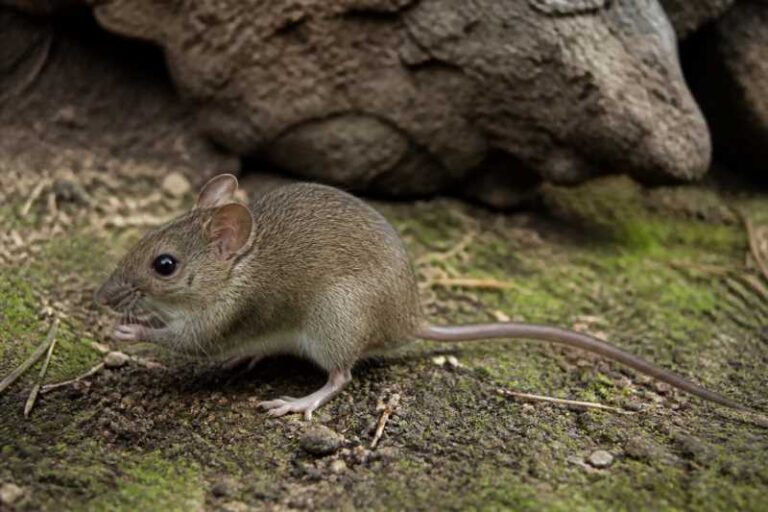
The Great Balkhan Brush-tailed Mouse is a small rodent, typically measuring between 7 and 10 centimeters in body length, with a tail that can extend another 8 to 12 centimeters. The mouse weighs approximately 20 to 50 grams, making it a lightweight creature that is adept at navigating its rocky environment.
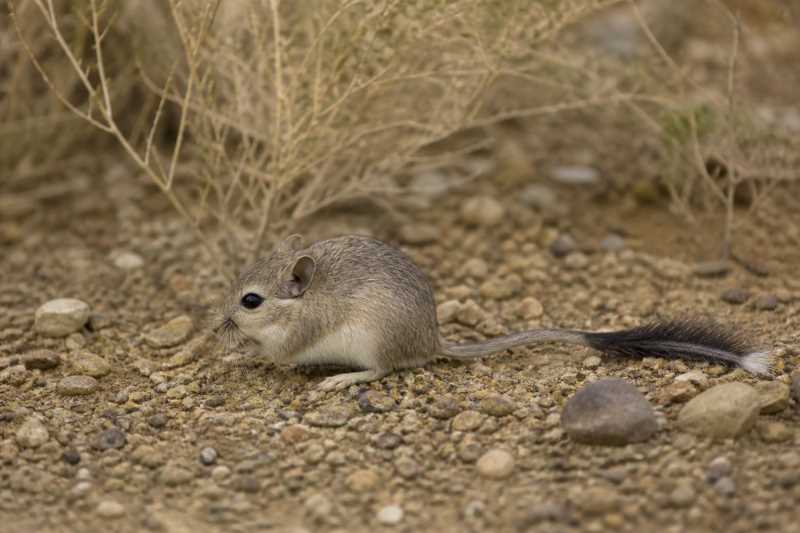
One of the most distinctive features of this species is its tail, which is bushy and resembles a brush, hence the name. The tail is not only useful for balance but also plays a role in communication among individuals. The fur of the Great Balkhan Brush-tailed Mouse is soft and dense, providing insulation against the cooler temperatures of its mountainous habitat. The fur color ranges from sandy-brown to gray, which helps it blend into the rocky and arid surroundings.
The mouse has large, prominent black eyes that are well-adapted for nocturnal vision, and its ears are relatively large, aiding in acute hearing. These adaptations are essential for detecting predators and navigating through the rugged terrain at night.
Range and Habitat
The Great Balkhan Brush-tailed Mouse is primarily found in the mountainous regions of Turkmenistan, particularly in the Balkan Mountains, which give the species its name. These areas are characterized by rocky landscapes, arid conditions, and sparse vegetation, providing an ideal setting for the mouse’s lifestyle.
The habitat of the Great Balkhan Brush-tailed Mouse includes rocky crevices, dry slopes, and sparse shrublands. They are well-suited to these environments due to their agile climbing abilities and need for minimal water. The mouse is also known to inhabit altitudes ranging from 500 to 2,500 meters above sea level, showcasing its adaptability to various mountain elevations.
Behavior and Diet
The Great Balkhan Brush-tailed Mouse is primarily nocturnal, meaning it is most active during the night. This behavior helps it avoid daytime predators and the harsh sun of its arid environment. During the day, the mouse takes refuge in rocky crevices or burrows, which provide protection and a cooler temperature.
In terms of diet, the Great Balkhan Brush-tailed Mouse is omnivorous. Its diet mainly consists of seeds, grains, and small insects. The availability of food sources can vary greatly depending on the season and environmental conditions. During periods of scarcity, the mouse is known to store food in its burrows to ensure a steady supply.
Socially, the Great Balkhan Brush-tailed Mouse is relatively solitary, although it may form small groups during breeding seasons. Communication among these mice is facilitated through vocalizations and tail signaling, playing a crucial role in mating and territory establishment.
Identification Tips (Field Recognition Cues)
Identifying the Great Balkhan Brush-tailed Mouse in the wild can be challenging due to its elusive nature. However, several key features can aid in recognition:
- Tail Appearance: Look for the characteristic brush-like tail, which is bushy and often carried upright.
- Fur Color: Note the sandy-brown to gray fur that blends with rocky terrain.
- Size: Small body size, typically ranging from 7 to 10 centimeters in length.
- Ear Size: Relatively large ears compared to other small rodents, aiding in acute hearing.
- Activity Patterns: Mostly nocturnal, so sightings are more likely at night.
Conservation Status (with Threats and Protections)
The conservation status of the Great Balkhan Brush-tailed Mouse is currently assessed as ‘Least Concern’ by the International Union for Conservation of Nature (IUCN). However, this does not mean the species is free from threats.
The primary threats to the Great Balkhan Brush-tailed Mouse include habitat destruction due to agricultural expansion and infrastructure development. Additionally, climate change poses a long-term threat by altering the arid and rocky landscapes the species relies on.
Conservation efforts are focused on preserving the natural habitat of the Balkan Mountains and promoting sustainable land use practices. Protected areas have been established to safeguard critical habitats, and continuous monitoring of population trends is essential to ensure the species does not move towards a more threatened category.
Frequently Asked Questions
1. What do Great Balkhan Brush-tailed Mice eat?
Great Balkhan Brush-tailed Mice are omnivores, primarily consuming seeds, grains, and small insects. Their diet can vary based on environmental conditions, with food storage playing a key role during scarce periods.
2. How do Great Balkhan Brush-tailed Mice communicate?
These mice communicate using a combination of vocalizations and tail signaling. The bushy tail is particularly important for communication during mating and territorial disputes.
3. Where can I find Great Balkhan Brush-tailed Mice in the wild?
They are found in the Balkan Mountains of Turkmenistan, particularly in rocky crevices, dry slopes, and sparse shrublands at altitudes ranging from 500 to 2,500 meters.
4. Are Great Balkhan Brush-tailed Mice endangered?
Currently, they are listed as ‘Least Concern’ by the IUCN, but they face threats from habitat destruction and climate change. Conservation efforts are in place to monitor and protect their populations.
5. What are the physical adaptations of Great Balkhan Brush-tailed Mice?
Their physical adaptations include a bushy tail for balance and communication, large ears for acute hearing, and nocturnal vision for nighttime activity.
Related posts