The Grey Vireo: A Closer Look at the Elusive Avian Specialist
The Grey Vireo (Vireo vicinior) is a small songbird that has fascinated ornithologists and bird enthusiasts alike. Despite its understated appearance, this bird is a remarkable species with unique adaptations that allow it to thrive in challenging habitats across North America. In this article, we delve into the biology, behavior, and conservation of the Grey Vireo, providing a comprehensive overview of this often-overlooked avian specialist.
Physical Description
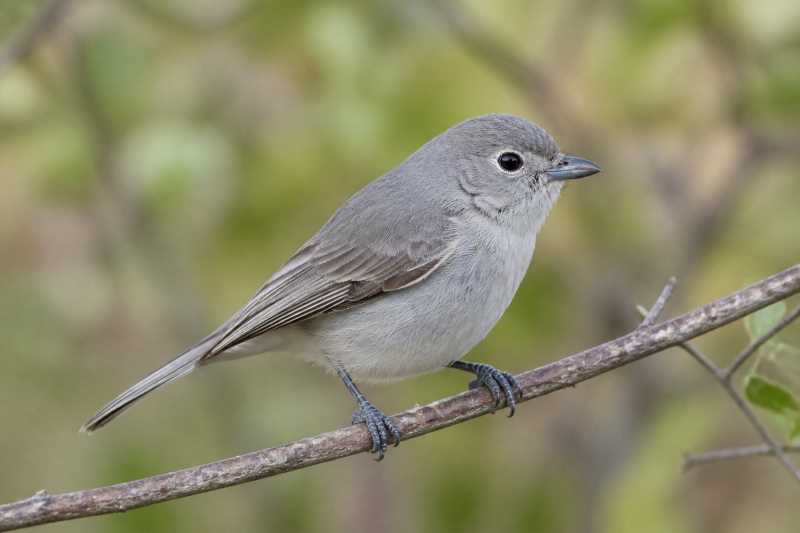
The Grey Vireo is characterized by its modest size and subtle coloration. Measuring approximately 4.5 to 5 inches in length with a wingspan of about 7.5 inches, it is similar in size to other vireos. Its plumage is predominantly gray, offering excellent camouflage against the arid landscapes it inhabits. The bird features a faint white eye ring and a slightly hooked bill, which are typical of the Vireo family. Despite its drab appearance, the Grey Vireo is an adept hunter, using its bill to pluck insects from foliage.
Habitat and Distribution
This species is primarily found in the southwestern United States and northern Mexico. Its preferred habitats include arid and semi-arid environments such as juniper woodlands, desert scrub, and pinyon-juniper forests. The Grey Vireo’s range extends from southern California and Nevada through Arizona, New Mexico, and into Texas, with some populations found as far south as northern Mexico. The bird’s adaptability to dry conditions is one of its most notable traits, allowing it to exploit niches that are inhospitable to other avian species.
Diet and Feeding Behavior
The Grey Vireo’s diet primarily consists of insects and other small invertebrates, which it gleans from foliage. It is known to be an opportunistic feeder, occasionally consuming berries and seeds when insect prey is scarce. The bird’s foraging behavior is characterized by short, quick movements through lower branches and shrubs. Its ability to adapt its diet based on seasonal availability of food sources is a key factor in its survival in variable environments.
Breeding and Nesting
Breeding season for the Grey Vireo typically occurs from April to July. The birds are monogamous and are known to form long-term pair bonds. Nests are usually constructed in low shrubs or trees, well-hidden from predators. The female lays a clutch of three to four eggs, which are incubated by both parents for about two weeks. The altricial chicks are fed by both parents and fledge approximately two weeks after hatching. The Grey Vireo’s nesting success is closely tied to the availability of suitable habitat, making habitat preservation critical for its continued survival.
Vocalizations and Communication
The vocal repertoire of the Grey Vireo is both distinctive and complex. Males are known for their persistent singing, which is used to defend territory and attract mates. Their song is a series of short, repeated phrases that can be heard over long distances. This vocal behavior is crucial during the breeding season, as it helps to establish and maintain territories in densely vegetated areas where visual contact is limited.
Conservation Status and Threats
The Grey Vireo is currently listed as a species of Least Concern by the International Union for Conservation of Nature (IUCN), but it faces several threats that could impact its populations in the future. Habitat loss due to urbanization and agricultural expansion poses significant challenges. Additionally, climate change could alter the arid landscapes that the Grey Vireo depends on, potentially reducing the availability of suitable habitats. Conservation efforts focused on habitat preservation and restoration are essential to ensure the long-term survival of this species.
Conclusion
The Grey Vireo is a testament to the resilience and adaptability of avian life. Its ability to thrive in harsh environments, coupled with its intriguing behavioral traits, makes it a subject of interest for both scientific study and birdwatching communities. As we continue to alter natural landscapes, understanding and conserving species like the Grey Vireo becomes increasingly important. By protecting their habitats and addressing the threats they face, we can help ensure that future generations will also have the opportunity to appreciate this unique and captivating bird.
Whether you are a seasoned ornithologist or a casual birdwatcher, the Grey Vireo offers a fascinating glimpse into the world of avian adaptation and survival. By learning more about this species, we contribute to a broader understanding of biodiversity and the delicate balance of ecosystems.
Related posts