Introduction
Milne-Edwards’s Tufted-tail Rat, scientifically known as Eliurus myoxinus, is a fascinating nocturnal rodent native to the biodiverse island of Madagascar. Named after the French zoologist Alphonse Milne-Edwards, this species is part of the Nesomyidae family, which includes a variety of rodents native to the African continent and Madagascar. The tufted-tail rat plays an essential role in the ecosystem, contributing to seed dispersion and soil aeration. Despite its ecological importance, many aspects of its life remain shrouded in mystery due to its elusive nature and the challenging habitats it occupies.
Physical Description
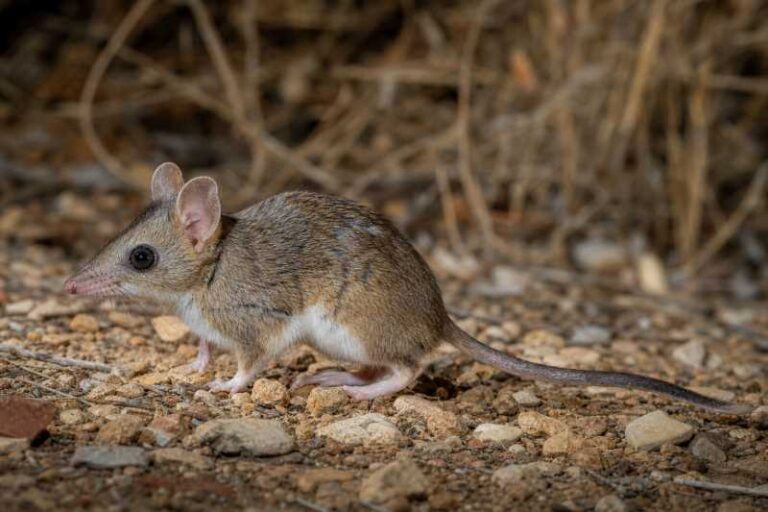
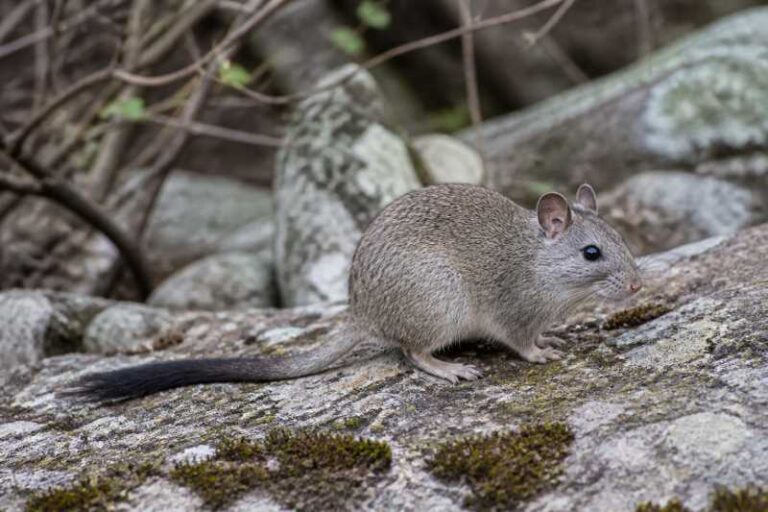
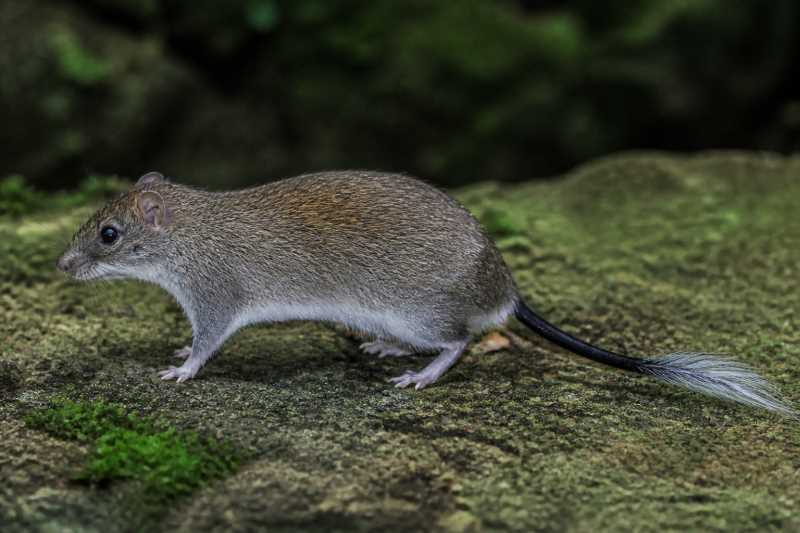
The Milne-Edwards’s Tufted-tail Rat is characterized by its distinctive physical features, which include a medium-sized body with a length ranging from 10 to 15 centimeters, excluding the tail. Its tail, which adds an additional 13 to 20 centimeters, is notable for its tufted appearance, setting it apart from other rodent species. This tuft is composed of dense, longer hairs at the tip, which serve as a balance aid and a sensory tool as the rat navigates its environment.
The rat’s fur is generally soft and dense, with a color palette that ranges from gray to brown on the dorsal side, providing effective camouflage against the forest floor and leaf litter. The ventral side is typically lighter, often white or cream-colored. This coloration helps in thermoregulation and predator evasion. The species has large, rounded ears and relatively small eyes, adaptations that are well-suited for its nocturnal lifestyle. Its robust whiskers are highly sensitive, aiding in navigation and environmental exploration in the dark.
Range and Habitat
Eliurus myoxinus is endemic to Madagascar, primarily inhabiting the eastern rainforests that are characterized by high humidity and dense vegetation. These forests are home to an array of unique species, making them biodiversity hotspots. The tufted-tail rat prefers areas with a thick canopy cover, which provide ample food resources and protection from predators.
This species is adaptable to various forest types within its range, including both primary and secondary forests. However, it shows a preference for undisturbed primary forests, where it can find abundant food and nesting sites. The loss of these habitats due to deforestation and land conversion for agriculture poses a significant threat to its survival.
Behavior and Diet
Milne-Edwards’s Tufted-tail Rat is primarily nocturnal, spending its nights foraging for food and exploring its environment. Its diet is omnivorous, consisting of fruits, seeds, small insects, and occasionally fungi. This varied diet not only sustains the rat but also aids in forest regeneration, as it disseminates seeds across its habitat.
Social behavior in this species is not well-documented, but it is believed to be solitary or to live in small family groups. Communication likely involves vocalizations, scent marking, and tactile signals facilitated by its whiskers and tail. During the day, the rat seeks refuge in nests made from leaves and other plant materials, often located in tree hollows or burrowed in the forest floor.
Identification Tips (Field Recognition Cues)
Identifying Milne-Edwards’s Tufted-tail Rat in the field can be challenging due to its nocturnal habits and elusive nature. However, there are several key characteristics to look for:
- Tail: The distinctive tuft at the end of the tail is a signature feature.
- Fur: Look for the soft, dense fur with a gray to brown color on top and a lighter underside.
- Size: A body length of 10-15 cm, with a tail length of 13-20 cm.
- Ears and Whiskers: Large, rounded ears and prominent whiskers.
Spotting these rats requires patience and keen observation skills, often aided by night-vision equipment or red-filtered lights to minimize disturbance.
Conservation Status (with Threats and Protections)
The conservation status of Milne-Edwards’s Tufted-tail Rat is currently listed as Least Concern by the International Union for Conservation of Nature (IUCN), though its population is believed to be in decline. The primary threats to its existence include habitat loss due to deforestation, agriculture, and human encroachment.
Conservation efforts are focused on habitat preservation and reforestation projects. Protected areas within its range, such as national parks and reserves, play a crucial role in safeguarding this species. Additionally, local and international conservation organizations are working to raise awareness and implement sustainable land-use practices that benefit both the wildlife and the local communities.
Frequently Asked Questions
1. What is the diet of Milne-Edwards’s Tufted-tail Rat?
Milne-Edwards’s Tufted-tail Rat has an omnivorous diet that includes fruits, seeds, small insects, and fungi. This varied diet helps in seed dispersion, contributing to forest regeneration.
2. Where can Milne-Edwards’s Tufted-tail Rat be found?
This species is endemic to Madagascar, primarily inhabiting the eastern rainforests. It prefers undisturbed primary forests but can also be found in secondary forests.
3. What are the main threats to Milne-Edwards’s Tufted-tail Rat?
The main threats include habitat loss due to deforestation, agricultural expansion, and human encroachment. Conservation efforts focus on habitat preservation and sustainable land-use practices.
4. How can one identify Milne-Edwards’s Tufted-tail Rat in the wild?
Look for its distinctive tufted tail, soft gray to brown fur, large ears, and prominent whiskers. Observations are best made at night using night-vision equipment.
5. Is Milne-Edwards’s Tufted-tail Rat a social species?
While not extensively studied, it is believed to be solitary or to live in small family groups, communicating through vocalizations, scent marking, and tactile signals.
Related posts