Thick-billed Siskin: A Comprehensive Overview
The Thick-billed Siskin (Spinus crassirostris) is a fascinating bird species that captivates ornithologists and bird enthusiasts alike. Known for its distinctive appearance and unique behaviors, this avian species occupies a specific niche within its habitat. In this article, we explore the Thick-billed Siskin’s taxonomy, physical characteristics, habitat, behavior, and conservation status, providing a comprehensive understanding of this remarkable bird.
Taxonomy and Classification
The Thick-billed Siskin belongs to the family Fringillidae, which includes finches, siskins, and other seed-eating birds. Within the genus Spinus, it is closely related to other siskin species. The scientific name ‘Spinus crassirostris’ is derived from Latin, where ‘crassirostris’ refers to its notably thick beak, a defining characteristic that sets it apart from other siskins.
Physical Characteristics
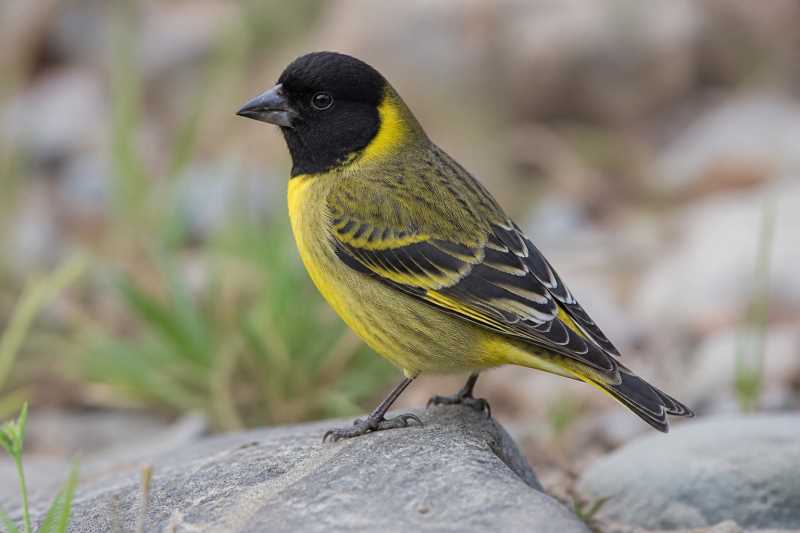
The most striking feature of the Thick-billed Siskin is its robust, conical beak, adapted for cracking open tough seeds. Adult males typically exhibit a vibrant yellow plumage with contrasting black wings and a black crown, making them easily identifiable. Females, while similarly colored, are generally more subdued in hue, with more olive and brown tones blending with yellow. This sexual dimorphism is common among finches, where the males’ brighter plumage plays a role in attracting mates.
Measuring approximately 11 to 13 centimeters in length, the Thick-billed Siskin is a small bird, weighing around 12 to 17 grams. Its compact size and agile flight make it well-suited to navigating its mountainous habitat.
Habitat and Distribution
The Thick-billed Siskin is primarily found in the Andean regions of South America, with its range extending across countries such as Peru, Bolivia, Argentina, and Chile. Preferring high-altitude environments, it inhabits montane forests, shrublands, and grasslands, typically at elevations between 2,500 and 4,500 meters.
Adapted to cooler climates, the Thick-billed Siskin is often seen in areas with abundant vegetation that provides both food resources and shelter. This bird’s preference for montane habitats highlights the importance of conserving these ecosystems, which are increasingly threatened by human activities and climate change.
Behavior and Diet
Thick-billed Siskins are social birds, often found in small flocks, especially outside of the breeding season. Their social structure allows them to efficiently locate food sources and offers protection from predators.
Their diet primarily consists of seeds, which they skillfully extract using their strong beaks. They are particularly fond of seeds from plants such as thistles, dandelions, and other herbaceous species. During the breeding season, their diet is supplemented with insects, providing essential protein for growing chicks.
The Thick-billed Siskin’s song is a melodious series of cheeps and trills, often heard during the breeding season as males attempt to attract females. These vocalizations play a crucial role in mate selection and territorial defense.
Reproduction and Lifespan
Breeding typically occurs during the austral spring and summer, from October to March, when food resources are abundant. Thick-billed Siskins are monogamous, with pairs forming strong bonds that last throughout the breeding season.
Nests are constructed by the female, often situated in shrubs or small trees, using twigs, grasses, and feathers. A typical clutch consists of three to five eggs, which are incubated for about two weeks. Both parents participate in feeding the chicks, which fledge approximately three weeks after hatching.
In the wild, Thick-billed Siskins have a lifespan of about five to six years, though this can vary based on environmental conditions and predation pressures.
Conservation Status
The Thick-billed Siskin is currently classified as a species of Least Concern by the International Union for Conservation of Nature (IUCN). However, like many birds inhabiting specialized ecosystems, it faces potential threats from habitat loss and climate change.
Deforestation, agricultural expansion, and mining activities in the Andes pose significant risks to the montane habitats that Thick-billed Siskins depend on. Conservation efforts aimed at preserving these environments are crucial for the long-term survival of this and other Andean species.
Birdwatching and ecotourism can also play a role in conservation, providing economic incentives to protect natural habitats and raise awareness of the species’ ecological importance.
Conclusion
The Thick-billed Siskin is a remarkable example of avian adaptation and resilience. Its unique features and behaviors offer valuable insights into the complexities of ecosystem interactions and the importance of preserving biodiversity. As with many species, ongoing research and conservation efforts are essential to ensure that future generations can continue to enjoy and learn from this vibrant bird.
The Thick-billed Siskin stands as a testament to nature’s ingenuity, reminding us of the delicate balance required to maintain our planet’s rich tapestry of life.
Related posts