The Enigmatic Black Jacobin: A Jewel of the Tropical Skies
In the lush, verdant landscapes of South America, a small but striking bird flits through the canopy, captivating observers with its iridescent plumage and rapid movements. Known as the Black Jacobin (Florisuga fusca), this hummingbird is not only a marvel of avian adaptation but also a significant contributor to the biodiversity of its ecosystem. This article delves into the fascinating world of the Black Jacobin, exploring its physical characteristics, habitat, behavior, and the ecological role it plays.
Physical Characteristics
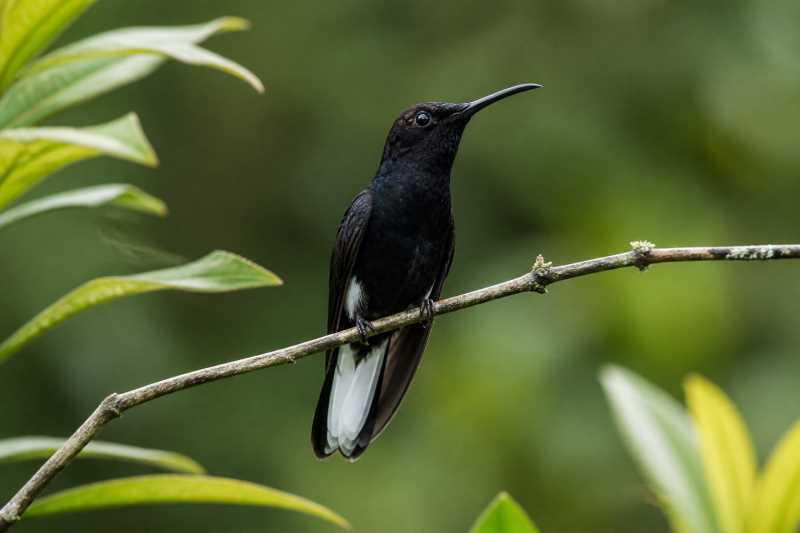
The Black Jacobin is a medium-sized hummingbird, measuring approximately 12 centimeters in length. Its most distinctive feature is its dark, glossy plumage that appears black in certain lights but reveals a spectrum of greens, blues, and purples when caught in the sun. This iridescence is due to microscopic platelets in the feathers that refract light, a common characteristic among hummingbirds. The bird’s slender, slightly curved bill is perfectly adapted for accessing nectar from various flowers, while its forked tail aids in agile flight.
Natural Habitat
The Black Jacobin is primarily found in the Atlantic Forest of southeastern Brazil, a region renowned for its rich biodiversity. This habitat, which includes coastal forests and mountainous regions, provides an ideal environment for the species, offering abundant food sources and nesting sites. The bird is also spotted in other South American countries such as Paraguay and Argentina, although its presence there is less prevalent.
The Atlantic Forest is one of the most endangered biomes in the world, with only about 15% of its original cover remaining. Despite this, the Black Jacobin has shown a remarkable ability to adapt to fragmented landscapes, often inhabiting secondary forests and urban gardens, which underscores its resilience.
Behavior and Diet
Known for their energetic and acrobatic flight, Black Jacobins are a delight to watch as they dart between flowers with incredible speed and precision. Their primary diet consists of nectar from a variety of flowering plants, which they access using their specialized bills. In doing so, they play a crucial role in pollination, transferring pollen from one bloom to another and facilitating plant reproduction.
In addition to nectar, Black Jacobins also consume small insects and spiders, which provide essential proteins. These birds are highly territorial, often engaging in aggressive displays to protect their feeding grounds from intruders, including other hummingbirds and larger avian species.
Reproduction and Lifespan
Breeding occurs during the wet season, when food is most abundant. Female Black Jacobins construct tiny cup-shaped nests out of plant fibers and spider silk, typically situated on a branch high above the ground. The female lays two eggs and is solely responsible for incubation and feeding the chicks once they hatch.
The lifespan of a Black Jacobin in the wild is not well-documented, but like many small birds, it likely faces numerous challenges from predators, environmental changes, and competition for resources. However, those that survive can live up to several years, contributing multiple generations to their populations.
Conservation Status
Currently, the Black Jacobin is classified as a species of Least Concern by the International Union for Conservation of Nature (IUCN). However, ongoing habitat destruction poses a significant threat to its long-term survival. Conservation efforts in the Atlantic Forest are crucial, not only for the Black Jacobin but for the myriad other species that call this region home.
Organizations and governments are working to preserve and restore the Atlantic Forest, focusing on reforestation projects and creating protected areas. These initiatives aim to maintain biodiversity and provide safe habitats for species like the Black Jacobin.
Conclusion
The Black Jacobin is more than just a visual delight; it is an integral part of the ecosystems it inhabits. Its role as a pollinator highlights the interconnectedness of flora and fauna and underscores the importance of preserving natural habitats. As we continue to learn more about this remarkable bird, it serves as a reminder of the beauty and complexity of nature, urging us to protect the environments that sustain such diverse life forms.
Whether you’re a seasoned ornithologist or a casual birdwatcher, encountering a Black Jacobin in the wild is an unforgettable experience. Its presence in the skies of South America is a testament to the resilience of life and the wonders of evolution. By understanding and protecting this species, we contribute to the broader efforts of conservation and ecological balance.
Related posts