Introduction
The Ayacucho Thistletail (Asthenes ayacuchensis) is a captivating bird species that has intrigued ornithologists and bird enthusiasts alike due to its unique characteristics and limited geographical distribution. Found primarily in the high-altitude regions of Peru, this bird is a member of the Furnariidae family, which consists of small passerine birds commonly referred to as ovenbirds. The Ayacucho Thistletail is a remarkable example of avian adaptation, thriving in the challenging environments of the Andean mountains.
Taxonomy and Classification
The Ayacucho Thistletail was formally described in scientific literature in the early 21st century, highlighting its distinction from closely related species within the Asthenes genus. The genus itself is part of the larger Furnariidae family, known for its diversity and ecological significance. The scientific classification of the Ayacucho Thistletail is as follows:
- Kingdom: Animalia
- Phylum: Chordata
- Class: Aves
- Order: Passeriformes
- Family: Furnariidae
- Genus: Asthenes
- Species: Asthenes ayacuchensis
Physical Description
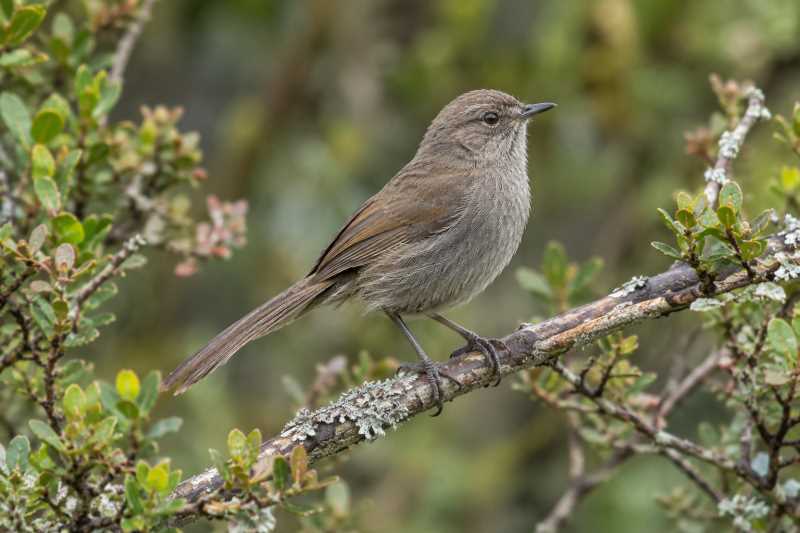
The Ayacucho Thistletail is a medium-sized bird, typically measuring between 15 and 17 centimeters in length. It exhibits a combination of gray and brown plumage, with subtle streaks that offer camouflage within its natural habitat. The bird possesses a distinctively long tail that is often held upright, a feature common among thistletails that aids in balance and maneuverability in dense vegetation.
The Ayacucho Thistletail has a relatively short, slightly curved bill adapted to its feeding habits. Its legs are strong and adapted for perching and climbing through shrubbery and low trees. Despite its relatively subdued coloration, the Ayacucho Thistletail’s intricate feather pattern and elegant movements make it a fascinating subject for bird watchers and researchers.
Habitat and Distribution
This species is endemic to the Andean region of central Peru, particularly within the Ayacucho Department, from which it derives its common name. The Ayacucho Thistletail inhabits high-altitude montane forests and shrublands, typically at elevations ranging from 2,800 to 3,600 meters above sea level. These environments are characterized by steep slopes, varied vegetation, and a mixture of open areas and dense thickets.
The bird’s restricted range makes it highly susceptible to environmental changes, particularly those related to climate change and habitat destruction. Conservation efforts are crucial to ensure the survival of this species and the preservation of its natural habitat.
Behavior and Diet
The Ayacucho Thistletail is known for its active and agile nature, often observed flitting through dense underbrush in search of food. Its diet primarily consists of insects and other small invertebrates, which it gleans from foliage and the forest floor. The bird’s foraging behavior is characterized by quick, deliberate movements, often accompanied by flicking of its long tail.
During the breeding season, the Ayacucho Thistletail constructs intricate nests using twigs, grasses, and other plant materials. These nests are typically built within dense vegetation, providing ample cover and protection from predators. The species is monogamous, with both parents sharing in the responsibilities of incubating eggs and caring for the young.
Vocalizations
The Ayacucho Thistletail’s vocalizations are an essential aspect of its behavior, playing a crucial role in communication, territory defense, and mate attraction. The bird’s calls are characterized by a series of high-pitched, melodic notes that can be heard echoing through its mountainous habitat. These vocalizations not only aid in establishing social bonds but also serve as a means of delineating territory boundaries.
Conservation Status
The Ayacucho Thistletail is currently classified as Near Threatened by the International Union for Conservation of Nature (IUCN). The primary threats to its survival include habitat loss due to agricultural expansion, logging, and infrastructure development. Additionally, climate change poses a significant risk to its high-altitude habitat, potentially altering the delicate ecological balance of the Andean regions.
Conservation initiatives aimed at preserving the Ayacucho Thistletail’s habitat are vital for its continued existence. These initiatives include establishing protected areas, promoting sustainable land use practices, and raising awareness about the ecological importance of this and other endemic species.
Conclusion
The Ayacucho Thistletail is a remarkable example of avian adaptation to the unique challenges of high-altitude environments. Its limited distribution and specialized habitat requirements make it a species of significant conservation concern. By understanding and appreciating the ecological role of the Ayacucho Thistletail, we can better advocate for conservation efforts that ensure the survival of this and other vulnerable species in the Andean region.
References
- BirdLife International. (2021). "Species factsheet: Asthenes ayacuchensis." Retrieved from birdlife.org.
- Schulenberg, T. S., Stotz, D. F., Lane, D. F., O’Neill, J. P., & Parker, T. A. (2007). "Birds of Peru." Princeton University Press.
- IUCN Red List of Threatened Species. (2021). "Asthenes ayacuchensis: Ayacucho Thistletail." Retrieved from iucnredlist.org.
Related posts