Inland Thornbill (Acanthiza apicalis): A Comprehensive Study
Introduction
The Inland Thornbill (Acanthiza apicalis) stands as a distinct member of the Acanthizidae family, a group notable for its diminutive yet energetic species. This small passerine bird predominantly inhabits the inland regions of Australia, adapting remarkably to varied ecological niches. This article delves into the intricate world of the Inland Thornbill, exploring its taxonomy, physical description, habitat preferences, behavior, and conservation status.
Taxonomy and Classification
The Inland Thornbill is scientifically classified under the genus Acanthiza, which encompasses several species known colloquially as thornbills. First described by John Gould in 1843, the Inland Thornbill is identified by its species name ‘apicalis’, which refers to a characteristic feature of its tail feathers.
Belonging to the order Passeriformes, the Inland Thornbill is part of a diverse group often referred to as perching birds or songbirds. The Acanthiza genus is known for its complexity, with species often exhibiting subtle morphological differences, making taxonomic classification challenging.
Physical Description
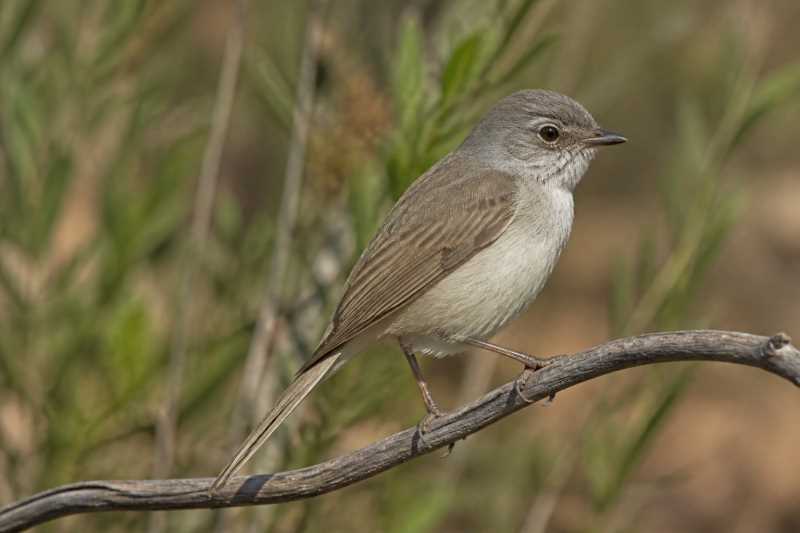
The Inland Thornbill is a small bird, measuring approximately 9 to 10 centimeters in length and weighing around 8 grams. It has a subtle plumage that serves as excellent camouflage within its natural habitat. The upperparts are generally olive-brown, while the underparts are lighter with a buff or rufous tint. A distinctive feature is the bird’s rounded wings and short, rounded tail, both of which aid in its agile flight.
One of the defining characteristics of the Inland Thornbill is its fine, pointed bill, adapted for foraging tiny insects and other invertebrates. The eyes are surrounded by a pale eye-ring, giving the bird a keen, alert appearance.
Habitat and Distribution
The Inland Thornbill is widely distributed across the inland regions of Australia, favoring dry sclerophyll forests, woodlands, and scrublands. Unlike some of its relatives, it tends to avoid coastal and densely forested areas.
Adaptability is a hallmark of the Inland Thornbill, allowing it to thrive in environments with varying degrees of aridity. It is commonly found in habitats dominated by acacias, eucalypts, and other native shrubs. The bird’s ability to exploit a range of ecological niches is a testament to its evolutionary success.
Behavior and Diet
Inland Thornbills are known for their active foraging behavior. They predominantly feed on insects and other small invertebrates, which they glean from foliage, bark, and leaf litter. This diet is occasionally supplemented with seeds and small fruits, especially during periods of food scarcity.
The social structure of the Inland Thornbill is intriguing, often involving complex interactions within small, cohesive groups. These groups are typically composed of a breeding pair and their offspring, which may stay with the parents for extended periods.
Vocal communication plays a crucial role in the life of an Inland Thornbill. They possess a repertoire of calls used for various purposes, including territory defense, mating, and maintaining group cohesion.
Reproduction and Lifespan
The breeding season of the Inland Thornbill usually spans from July to December, aligning with the Australian spring and early summer. Nesting involves the construction of a dome-shaped structure, intricately woven from grasses, bark, and spider webs, often concealed within dense shrubbery.
A typical clutch consists of two to four eggs, which are incubated solely by the female. The incubation period lasts around 16 to 18 days, followed by a fledging period of approximately 14 days. Both parents actively participate in feeding and raising the chicks.
The lifespan of an Inland Thornbill in the wild is relatively short, often ranging from 2 to 5 years. However, their high reproductive rate ensures population stability.
Conservation Status
The Inland Thornbill is currently classified as a species of Least Concern by the International Union for Conservation of Nature (IUCN). This status reflects its wide distribution and stable population numbers across its range.
However, habitat degradation due to agricultural expansion, urban development, and climate change poses potential threats. Conservation efforts focus on preserving natural habitats and mitigating the impacts of human activities.
Importance in the Ecosystem
As insectivores, Inland Thornbills play a vital role in controlling insect populations, contributing to the ecological balance of their habitats. Their presence is indicative of a healthy ecosystem, where they act as both predators and prey.
Furthermore, their nesting habits aid in seed dispersal and the maintenance of plant diversity, underscoring their importance in ecosystem dynamics.
Conclusion
The Inland Thornbill exemplifies adaptability and resilience in the face of environmental challenges. Its ability to thrive across diverse habitats highlights the intricate balance of nature and the interconnectedness of species within ecosystems. Continued research and conservation efforts are essential to ensure the longevity of this remarkable bird species.
By appreciating the Inland Thornbill, we gain insights into the broader ecological processes that sustain biodiversity and the natural world.
Related posts