The Lesser Florican: A Jewel of the Indian Grasslands
Introduction
The Lesser Florican (Sypheotides indicus) is a striking bird species that stands as an emblem of the Indian grasslands. Known for its spectacular courtship displays, this bird is a member of the bustard family, a group that has faced significant conservation challenges worldwide. The Lesser Florican, with its unique characteristics and behavior, is a fascinating subject for ornithologists and birdwatchers alike.
Description and Identification
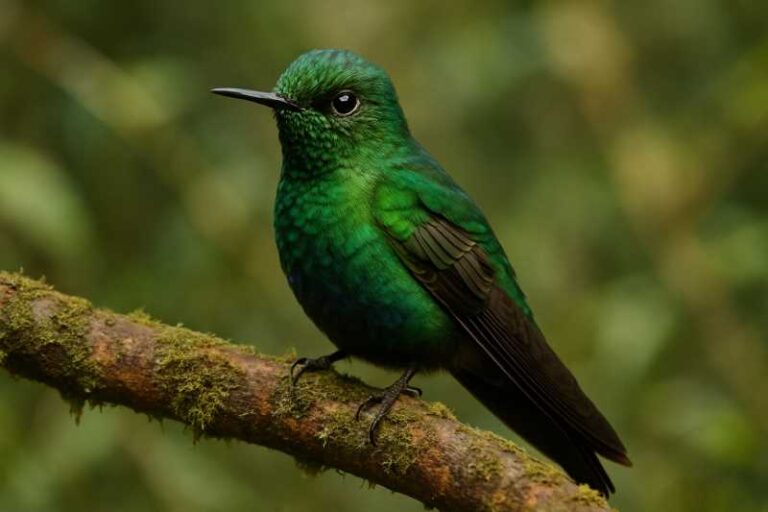
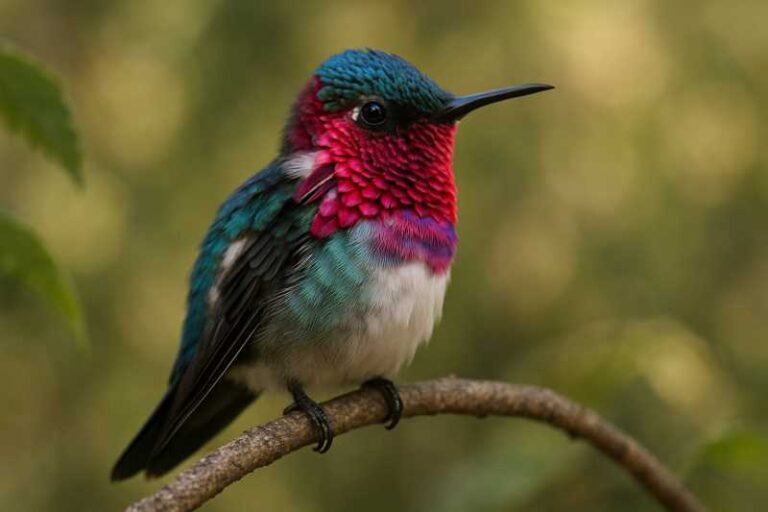
The Lesser Florican is a small bustard, measuring between 40 to 46 centimeters in length. The male is particularly distinctive during the breeding season, adorned with a striking black plumage and elongated feathers that cascade from its head. The female, on the other hand, is more subdued in color, with mottled brown plumage providing camouflage in its grassland habitat.
The Lesser Florican’s most famous attribute is its courtship display. During the monsoon season, males perform a series of dramatic leaps into the air, sometimes reaching heights of over a meter. This behavior is not only a spectacle but also a crucial part of their mating ritual, intended to attract females.
Habitat and Distribution
The Lesser Florican is endemic to the Indian subcontinent, primarily found in the grasslands of Gujarat, Rajasthan, Madhya Pradesh, and Maharashtra. These grasslands, often interspersed with scrubland, offer the ideal environment for the Lesser Florican’s breeding and feeding needs.
However, habitat degradation poses a significant threat to this species. Agricultural expansion, overgrazing, and urbanization have led to the fragmentation and loss of grasslands. Conservation efforts are needed to protect these critical habitats and ensure the survival of the Lesser Florican.
Diet and Foraging
As an omnivore, the Lesser Florican’s diet consists of a variety of seeds, insects, and small vertebrates. During the breeding season, insects, particularly grasshoppers, form a substantial part of their diet, providing the necessary protein for egg production and chick development.
The bird’s foraging behavior is typical of bustards, characterized by walking slowly through grasslands while pecking at food items. This methodical approach allows them to exploit the diverse resources available in their habitat.
Breeding and Reproduction
The breeding season of the Lesser Florican coincides with the arrival of the monsoon rains, typically from June to September. This timing ensures the availability of abundant food resources, crucial for rearing young.
Males establish territories and engage in elaborate courtship displays to attract females. After mating, females lay a clutch of two to four eggs, which they incubate and rear without assistance from the males. The nests are simple scrapes in the ground, well-hidden among the grass to protect from predators.
Conservation Status and Efforts
The Lesser Florican is currently listed as ‘Endangered’ on the IUCN Red List. The primary threat to its survival is habitat loss, exacerbated by agriculture and human settlement. Additionally, climate change poses a long-term threat by altering the monsoon patterns critical for their breeding.
Conservation efforts are underway to protect the Lesser Florican and its habitat. Initiatives include grassland restoration projects, legal protection of critical habitats, and community engagement to promote sustainable land use practices. Collaborative efforts between government agencies, NGOs, and local communities are crucial to the success of these initiatives.
The Role of Ecotourism
Ecotourism presents a viable strategy to support conservation efforts while providing economic benefits to local communities. Birdwatching tours focused on the Lesser Florican and other grassland species can generate income and raise awareness about the importance of preserving these unique ecosystems.
By promoting ecotourism, stakeholders can create a sustainable model that benefits both wildlife conservation and community development. This approach requires careful planning to ensure that tourism activities do not disturb the birds or degrade their habitat.
Conclusion
The Lesser Florican is a remarkable species whose survival hinges on the preservation of India’s grasslands. While challenges remain, ongoing conservation efforts provide hope for the future of this enigmatic bird. Through habitat protection, sustainable practices, and community involvement, it is possible to secure a future where the Lesser Florican continues to thrive in the Indian landscape.
Investing in the conservation of the Lesser Florican not only preserves a unique part of India’s natural heritage but also contributes to the broader goal of biodiversity conservation worldwide. By safeguarding this species, we reinforce the importance of grassland ecosystems and the myriad of life they support.
Related posts