The Ethiopian Bee-eater: A Jewel of East Africa’s Avian World
The Ethiopian Bee-eater (Merops lafresnayii), a striking bird species native to the highlands of East Africa, is a remarkable sight that captivates bird enthusiasts and ornithologists alike. Known for its vibrant plumage and intricate social behaviors, this bird plays a vital role in the ecosystems it inhabits. This article delves into the various aspects of the Ethiopian Bee-eater’s ecology, behavior, and conservation status, shedding light on why this avian species is a true jewel of its natural habitat.
Physical Characteristics
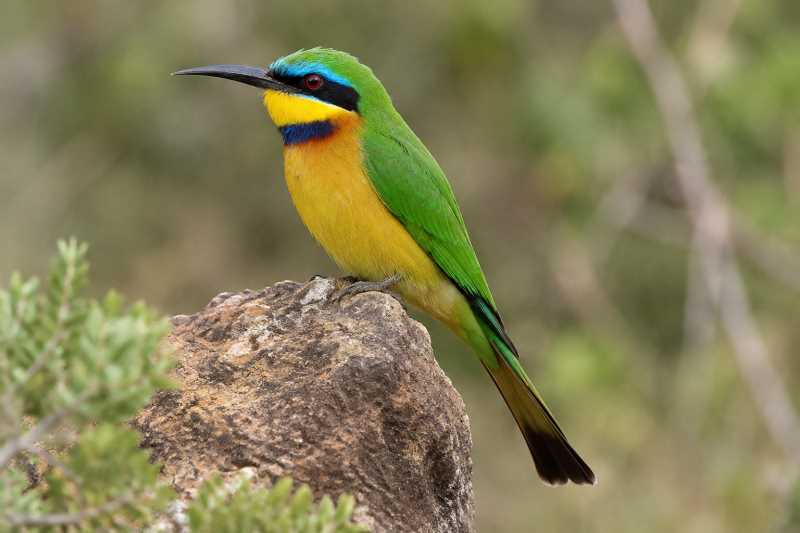
The Ethiopian Bee-eater is a medium-sized bird, measuring approximately 24 to 27 centimeters in length. Its most striking feature is its vivid plumage, which displays a blend of brilliant greens, blues, and yellows. The head is adorned with a rich chestnut crown, complemented by a striking black eye stripe that extends from its beak. The underparts are predominantly green, with a hint of blue on the breast and belly. One of the most distinguishing features of the Ethiopian Bee-eater is its elongated central tail feathers, which add an extra touch of elegance to its appearance.
Habitat and Distribution
This species is endemic to the highland regions of Ethiopia and Eritrea, where it thrives in open woodlands, grasslands, and scrublands. The Ethiopian Bee-eater prefers areas with sparse tree cover, which provide both ample perching sites and open spaces for hunting. It is commonly found at elevations ranging from 1,500 to 3,000 meters, where the climate is cooler and more temperate compared to the lowland regions.
Diet and Feeding Behavior
As its name suggests, the Ethiopian Bee-eater primarily feeds on bees and other flying insects. Its diet includes a variety of prey such as wasps, dragonflies, and butterflies. The bird employs a unique hunting technique, characterized by its agile flight and keen eyesight. It perches on exposed branches or wires, scanning the surroundings for potential prey. Upon sighting an insect, the Bee-eater launches into a swift, acrobatic flight to catch it mid-air. Before consuming bees and wasps, it skillfully removes their stingers by repeatedly hitting them against a hard surface.
Social Structure and Breeding
Ethiopian Bee-eaters are highly social birds, often found in small flocks outside the breeding season. During the breeding season, which typically occurs from February to June, they form monogamous pairs. These birds are cavity nesters, excavating burrows in sandy banks or flat ground where they lay their eggs. A typical clutch consists of three to five eggs, which both parents incubate. The cooperative nature of their breeding strategy is notable, with other flock members sometimes assisting in feeding and caring for the young.
Vocalizations and Communication
The Ethiopian Bee-eater is known for its melodious vocalizations, which play an essential role in communication among flock members. Their calls are a series of soft, musical notes that can be heard during flight or while perched. These calls are used for a variety of purposes, including mate attraction, territorial defense, and maintaining flock cohesion.
Conservation Status and Threats
Currently, the Ethiopian Bee-eater is classified as a species of "Least Concern" by the International Union for Conservation of Nature (IUCN). However, like many species, it faces threats from habitat loss due to agricultural expansion and land degradation. Climate change also poses a potential threat, as it may alter the distribution of suitable habitats. Conservation efforts focusing on habitat preservation and sustainable land use practices are essential to ensure the long-term survival of this species.
Conclusion
The Ethiopian Bee-eater is a testament to the rich biodiversity found in East Africa’s highlands. Its vibrant colors and dynamic behaviors make it a fascinating subject of study and a cherished sight for bird watchers. Protecting its natural habitat not only benefits the Bee-eaters but also supports the broader ecological communities within these regions. As we continue to learn more about this captivating species, it is crucial to prioritize conservation efforts that safeguard its future in the wild.
By understanding and appreciating the Ethiopian Bee-eater, we gain insight into the intricate web of life that sustains our planet and the importance of preserving it for generations to come.
Related posts