Somali Bee-eater: A Jewel of the African Skies
The Somali Bee-eater, scientifically known as Merops revoilii, is a vibrant and intriguing avian species that captures the attention of bird enthusiasts and ornithologists alike. Belonging to the family Meropidae, this bird is renowned for its striking plumage and agile flight patterns, which make it a captivating subject for study and observation. In this article, we delve into the various aspects of the Somali Bee-eater, exploring its physical characteristics, habitat, behavior, and conservation status.
Physical Characteristics
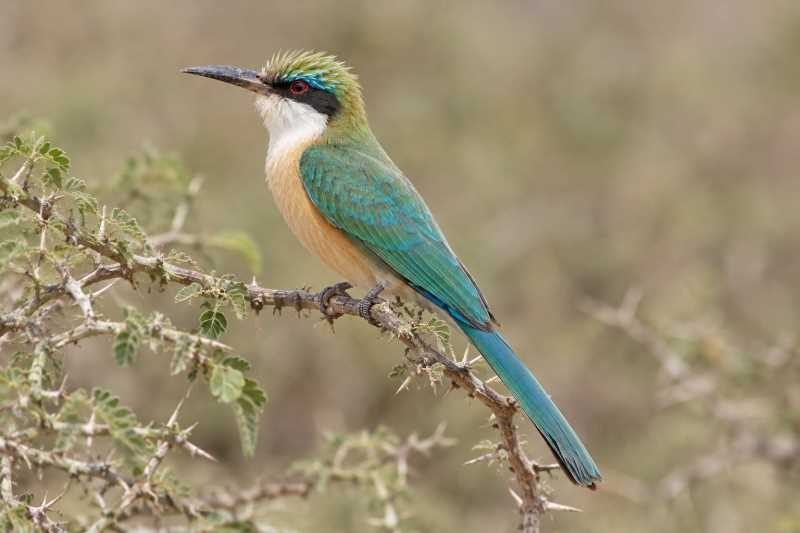
The Somali Bee-eater is a small to medium-sized bird, measuring approximately 20 to 24 centimeters in length, with a wingspan ranging from 30 to 36 centimeters. Its slender body is adorned with a dazzling array of colors that make it a remarkable sight against the arid landscapes it inhabits. The bird’s most distinctive feature is its vibrant green plumage, which covers most of its body. This is complemented by a bright blue throat and a contrasting black eye stripe that extends from the beak through the eye, giving it a masked appearance.
In addition to its striking coloration, the Somali Bee-eater possesses a long, slightly curved beak, perfectly adapted for its insectivorous diet. Its tail is elongated, with central feathers that extend beyond the rest, forming a pointed tip. This tail structure aids in maneuverability during flight, allowing the bird to execute swift and precise movements while hunting.
Habitat and Distribution
The Somali Bee-eater is primarily found in the Horn of Africa, with its range encompassing parts of Somalia, Ethiopia, and Djibouti. It favors arid and semi-arid environments, often inhabiting open savannas, scrublands, and areas with sparse vegetation. The bird’s preference for such habitats is closely linked to the abundance of its primary food source—bees and other flying insects.
These bee-eaters are often observed perched on low trees or shrubs, from which they launch into the air to catch their prey. Their presence is usually indicated by their characteristic calls, a series of soft, melodious notes that echo across the landscape.
Behavior and Diet
The Somali Bee-eater is a highly social species, often seen in small groups or pairs. These birds exhibit cooperative hunting strategies, working together to flush out and capture insects. Their diet primarily consists of bees, wasps, and other flying insects, which they catch in mid-air with remarkable precision. This dietary preference is reflected in their common name, highlighting their role in controlling insect populations.
Once a bee-eater captures an insect, it returns to its perch and proceeds to remove the stinger and venom by striking the insect against the perch. This behavior not only neutralizes the insect’s defenses but also ensures that the bird can safely consume its prey.
Breeding and Nesting
The breeding season for Somali Bee-eaters typically occurs during the wetter months, when food is more abundant. These birds are cavity nesters, excavating tunnels in sandy banks or flat ground, where they lay their eggs. A typical clutch consists of 3 to 5 eggs, which both parents incubate. The nesting sites are often located in close proximity to one another, reflecting the species’ social nature.
Chick rearing is a cooperative effort, with both parents sharing the responsibilities of feeding and protecting the young. This collaborative approach enhances the chances of survival for the offspring, ensuring the continuation of the species.
Conservation Status
Currently, the Somali Bee-eater is classified as a species of Least Concern by the International Union for Conservation of Nature (IUCN). However, like many other species, it faces threats from habitat loss and environmental changes. The conversion of natural habitats into agricultural land and the effects of climate change pose significant challenges to the bee-eater’s survival.
Conservation efforts are essential to ensure the long-term survival of the Somali Bee-eater. Protecting their natural habitats and promoting sustainable agricultural practices are crucial steps in mitigating the impact of human activities on these birds. Additionally, raising awareness about the ecological role of bee-eaters in controlling insect populations can foster greater appreciation and support for their conservation.
Conclusion
The Somali Bee-eater is a remarkable bird that embodies the beauty and diversity of avian life in the Horn of Africa. Its vibrant plumage, agile flight, and social behavior make it a fascinating species to observe and study. As we continue to learn more about this captivating bird, it is imperative that we also take action to preserve its habitats and ensure its survival for future generations to admire.
Through concerted conservation efforts and increased awareness, we can help protect the Somali Bee-eater and the vital ecological roles it plays in its natural environment.
Related posts