Introduction
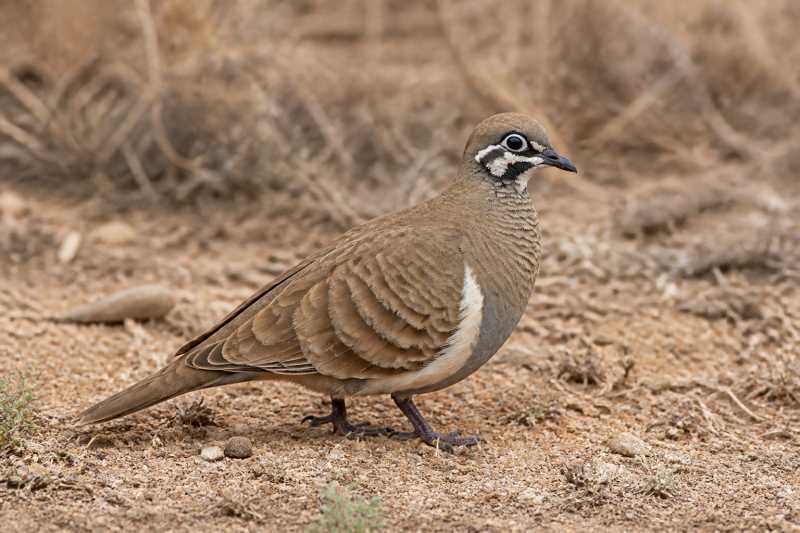
The Squatter Pigeon (Geophaps scripta) is a remarkable bird that captures the attention of ornithologists and bird enthusiasts alike. Known for its distinct appearance and unique behaviors, the Squatter Pigeon inhabits parts of Australia, where it plays a significant role in the ecosystem. This article delves into the Squatter Pigeon’s characteristics, habitat, behavior, and conservation status, providing a comprehensive overview of this intriguing species.
Taxonomy and Description
The Squatter Pigeon belongs to the Columbidae family, which includes doves and pigeons. Its scientific name, Geophaps scripta, reflects its ground-dwelling nature and distinctive markings. The species is further divided into two subspecies: the southern Squatter Pigeon (Geophaps scripta scripta) and the northern Squatter Pigeon (Geophaps scripta peninsulae).
The Squatter Pigeon is medium-sized, measuring around 28 to 31 centimeters in length. It is characterized by its stocky build, short tail, and long legs. The plumage is predominantly brown with intricate patterns of white and black on the wings and face, providing excellent camouflage in its natural habitat. The bird’s striking red eye-ring and bare skin around the eyes are additional distinguishing features.
Habitat and Distribution
Squatter Pigeons are primarily found in the open woodlands, grasslands, savannas, and scrublands of northern and eastern Australia. The southern subspecies occupies regions from central Queensland to northern New South Wales, while the northern subspecies is found in parts of the Cape York Peninsula.
These pigeons prefer habitats that offer a mix of open ground for foraging and dense cover for roosting and nesting. They are often seen near water sources, which are crucial for their survival, especially during the dry season.
Behavior and Ecology
Squatter Pigeons are largely terrestrial, spending much of their time on the ground. They are known for their distinctive foraging behavior, where they walk slowly and methodically, searching for seeds, fruits, and small invertebrates. Their diet consists mainly of grass seeds, but they also consume acacia seeds and berries when available.
These pigeons are generally sedentary, with some local movements in response to food availability and environmental conditions. They are mostly active during the cooler parts of the day, such as early morning and late afternoon, to avoid the midday heat.
Squatter Pigeons are monogamous, forming long-term pair bonds. The breeding season varies with location and climate, but it typically occurs during the wet season when food is abundant. Nests are simple scrapes on the ground, often hidden under vegetation or in a sheltered spot. The female typically lays two eggs, which both parents incubate for about 18 to 20 days.
Vocalizations and Communication
The vocalizations of the Squatter Pigeon are relatively simple compared to other pigeon species. Their calls are soft and low-pitched, often described as a series of cooing notes. These calls are used for communication between mates and to signal alarm.
Conservation Status and Threats
The conservation status of the Squatter Pigeon varies between the two subspecies. The southern subspecies, Geophaps scripta scripta, is listed as vulnerable due to habitat loss, predation by introduced species, and changes in land use. The northern subspecies, Geophaps scripta peninsulae, is considered near threatened for similar reasons.
Habitat destruction, particularly due to agricultural expansion, urban development, and mining activities, poses a significant threat to Squatter Pigeon populations. Invasive species such as feral cats and foxes also contribute to their decline by preying on eggs, chicks, and adult pigeons.
Conservation efforts focus on habitat preservation and restoration, as well as controlling invasive species. Protected areas and reserves play a crucial role in providing safe havens for these pigeons, while community engagement and education initiatives help raise awareness about their plight.
Conclusion
The Squatter Pigeon is an integral part of Australia’s avian diversity, with its distinctive appearance and behaviors adding to the ecological tapestry. While facing several threats, targeted conservation efforts can help ensure the survival of this unique species. By understanding and addressing the challenges they face, we can work towards a future where the Squatter Pigeon continues to thrive in its natural habitat.
References
- Higgins, P.J., & Davies, S.J.J.F. (Eds.). (1996). Handbook of Australian, New Zealand and Antarctic Birds. Volume 3: Snipe to Pigeons. Oxford University Press.
- Pizzey, G., & Knight, F. (2012). The Field Guide to the Birds of Australia. HarperCollins Publishers.
- BirdLife International. (2020). Species factsheet: Geophaps scripta. Retrieved from BirdLife International
Acknowledgments
We acknowledge the contributions of researchers and conservationists dedicated to studying and preserving the Squatter Pigeon and its habitat.
Related posts