The Cinnamon-chested Bee-eater: Jewel of the African Skies
The Cinnamon-chested Bee-eater (Merops oreobates) is a vibrant and captivating species that graces the highlands of East Africa. Renowned for its striking plumage and agile flight, this bird is a favorite among ornithologists and bird watchers alike. In this article, we delve into the unique characteristics, habitat, behavior, and conservation status of this exquisite bird, offering a comprehensive view of its role in the ecosystem.
Description and Identification
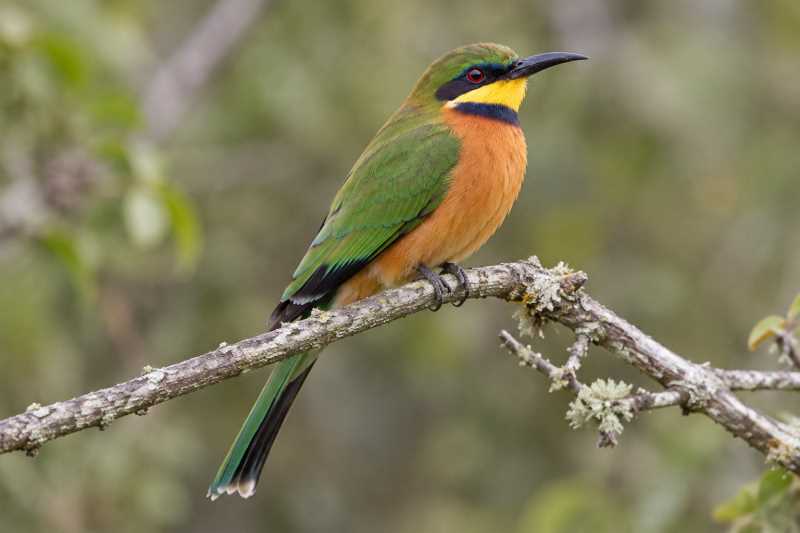
The Cinnamon-chested Bee-eater is a medium-sized bird, measuring approximately 22 centimeters in length. Its plumage is a kaleidoscope of colors, with a distinctive cinnamon-colored chest that gives the bird its name. The rest of its body is adorned with vibrant green feathers, complemented by a striking blue throat and a black eye stripe that adds to its charismatic appearance. The long, slender beak, typical of bee-eaters, is perfectly adapted for catching insects mid-flight.
Juvenile Cinnamon-chested Bee-eaters are somewhat duller in color compared to adults, but they gradually acquire the vivid plumage as they mature. The sexual dimorphism in this species is subtle, as both males and females share similar coloration, making it challenging to distinguish between the sexes in the field.
Habitat and Distribution
This bee-eater species is predominantly found in the highland regions of East Africa, spanning countries such as Kenya, Uganda, Rwanda, and Burundi. They thrive in open woodlands, forest edges, and cultivated areas, where their preferred prey—flying insects—is abundant. Unlike some of their relatives that prefer more arid environments, Cinnamon-chested Bee-eaters are often associated with higher altitudes, ranging from 1,200 to 3,000 meters above sea level.
Their preference for elevated habitats is not only due to the availability of food but also the presence of suitable nesting sites. These birds typically nest in burrows excavated in sandy banks or soft earthen cliffs, where they lay their eggs and rear their young.
Behavior and Diet
Cinnamon-chested Bee-eaters are social birds often seen in pairs or small groups. Their cooperative behavior extends to hunting, where they employ a technique known as "hawking." This involves launching from a perch to capture insects in flight, a spectacle that showcases their agility and precision. Their diet primarily consists of bees, wasps, and other flying insects, which they skillfully catch and subdue with their long, pointed bills.
One fascinating aspect of their feeding behavior is their ability to handle potentially dangerous prey, such as bees and wasps. They remove the stinger by repeatedly hitting the insect against a hard surface before consuming it, a behavior that highlights their adaptability and intelligence.
Breeding and Life Cycle
The breeding season for Cinnamon-chested Bee-eaters varies depending on their geographical location, but it generally coincides with the onset of the rainy season when insect prey is most plentiful. During this period, males engage in elaborate courtship displays to attract females, which include aerial acrobatics and the presentation of food gifts.
Once a pair has formed a bond, they work together to excavate a nesting burrow. The female lays between two to four eggs, and both parents share the responsibility of incubating the eggs and feeding the chicks. After about three weeks, the eggs hatch, and the chicks are nourished with a steady supply of insects until they fledge approximately a month later.
Conservation Status and Threats
Currently, the Cinnamon-chested Bee-eater is listed as a species of Least Concern by the International Union for Conservation of Nature (IUCN). Despite their relatively stable population, these birds face threats from habitat loss due to deforestation and agricultural expansion. Additionally, the use of pesticides in farming practices poses a significant risk, as it reduces the availability of their insect prey and can lead to direct poisoning.
Conservation efforts aimed at preserving their natural habitat and promoting sustainable agricultural practices are crucial in ensuring the long-term survival of this species. Birdwatching tourism also plays a role in their conservation, as it raises awareness and generates revenue that can be used for habitat protection.
Conclusion
The Cinnamon-chested Bee-eater is a testament to the beauty and diversity of avian life in East Africa. Its vibrant colors, dynamic behavior, and ecological role make it a species worthy of admiration and protection. As we continue to explore and understand the complexities of our natural world, the Cinnamon-chested Bee-eater serves as a reminder of the intricate connections that sustain life on our planet.
Through ongoing conservation efforts and public awareness, we can help ensure that future generations will have the opportunity to witness the dazzling flight and vibrant plumage of the Cinnamon-chested Bee-eater, a true jewel of the African skies.
Related posts