The Red Collared Dove: A Detailed Insight into Streptopelia tranquebarica
The Red Collared Dove, scientifically known as Streptopelia tranquebarica, is a remarkable bird species that captivates ornithologists and bird enthusiasts alike. This dove is distinguished by its beautiful plumage and distinctive call, contributing to its popularity across Asia. This article delves into the various facets of the Red Collared Dove, offering insights into its habitat, behavior, diet, and conservation status, providing a comprehensive understanding of this fascinating avian species.
Physical Characteristics
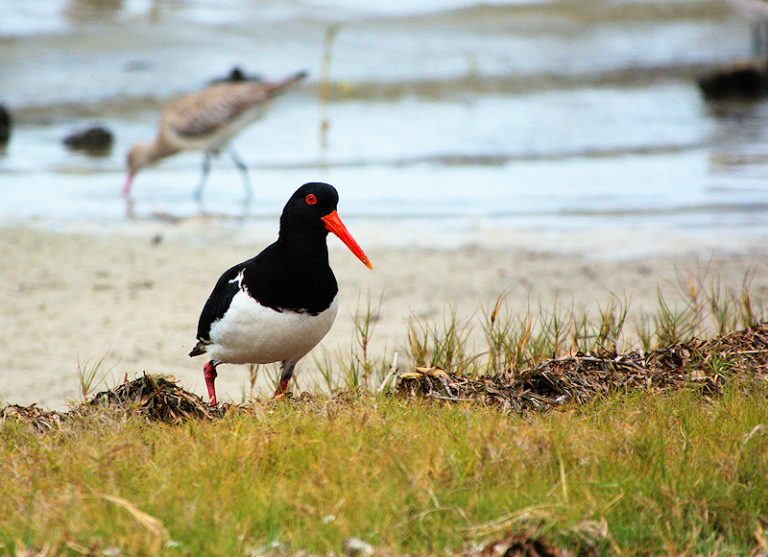
The Red Collared Dove is a medium-sized bird that can easily be identified by its unique coloration. The male of the species boasts a striking reddish-brown body, complemented by a black collar around its neck, which is more pronounced during the breeding season. In contrast, the female is generally duller, with a brownish-grey body and a less distinct collar. Both sexes have a pale greyish head and a pinkish hue on their underparts, along with a white-tipped tail that is visible during flight. These vibrant colors not only make them easily recognizable but also play a crucial role in their mating rituals.
Habitat and Distribution
The Red Collared Dove is native to South and Southeast Asia, with its range extending from Pakistan and India through to southern China and Indonesia. It thrives in a variety of habitats, including open woodlands, farmlands, and urban areas, demonstrating a remarkable adaptability to different environments. This adaptability has allowed the species to flourish in both rural and urban settings, where they can often be seen perching on wires or foraging on the ground.
Behavior and Social Structure
Red Collared Doves are known for their gregarious nature, often seen in pairs or small flocks. Their social structure is relatively simple, with pairs forming strong bonds during the breeding season. These doves are monogamous, with both parents involved in raising their young. The courtship display is a delightful spectacle, involving the male performing a series of bowing movements and soft cooing calls to attract a mate.
Their call, a soft and rhythmic ‘coo-coo’, is a familiar sound in their native regions, often used to establish territories or communicate with their mate. These calls are not only a means of communication but also serve as a way to strengthen pair bonds.
Diet and Feeding Habits
Red Collared Doves primarily feed on seeds and grains, foraging on the ground for their preferred food sources. They are also known to consume small insects and fruits when available, showcasing their opportunistic feeding habits. Their diet makes them beneficial to agriculture, as they help control pest populations by consuming insects, although they may sometimes be considered pests themselves when they feed on crops.
Breeding and Lifespan
The breeding season for the Red Collared Dove varies across its range, typically peaking during the warmer months when food is abundant. They build simple nests using twigs and grasses, often situated in trees or shrubs. The female usually lays two eggs, which both parents incubate for about 14 days. After hatching, the chicks remain in the nest for approximately two weeks before fledging.
In the wild, Red Collared Doves can live up to five years, although their lifespan may be shorter in areas where they face significant threats from predators or habitat loss.
Conservation Status
The Red Collared Dove is currently classified as a species of Least Concern by the International Union for Conservation of Nature (IUCN). This classification is due to their wide distribution and large population size. However, local populations can be affected by habitat destruction, hunting, and changes in agricultural practices. Conservation efforts are essential to ensure that these birds continue to thrive in their native habitats and to maintain the ecological balance they help support.
Conclusion
The Red Collared Dove is a fascinating species that plays a significant role in its ecosystem. Its adaptability, striking appearance, and captivating behaviors make it a subject of interest for both researchers and birdwatchers. While currently not under significant threat, ongoing conservation efforts and habitat protection are crucial to preserving this species for future generations to appreciate.
By understanding and appreciating the Red Collared Dove, we can better appreciate the intricate dynamics of avian species and the vital roles they play in our ecosystems. This understanding underscores the importance of conserving the natural habitats that these remarkable birds call home.
Related posts