The Cape Bunting (Emberiza capensis): A Comprehensive Insight into its Ecology and Behavior
The Cape Bunting, scientifically known as Emberiza capensis, is a captivating little bird that inhabits the southern regions of Africa. Known for its striking appearance and melodious song, this bird is a favorite among birdwatchers and ornithologists alike. In this article, we delve into the fascinating world of the Cape Bunting, exploring its habitat, behavior, and significance in the ecosystem.
Habitat and Distribution
The Cape Bunting is predominantly found in the southern parts of the African continent, including South Africa, Namibia, Botswana, and parts of Zimbabwe and Mozambique. Its preferred habitats are dry, open areas with scattered shrubs, rocky outcrops, and hillsides, often at altitudes ranging from sea level to 2,000 meters. These birds are quite adaptable, thriving in both rural and suburban environments as long as there is adequate shrub cover for nesting and feeding.
Physical Characteristics
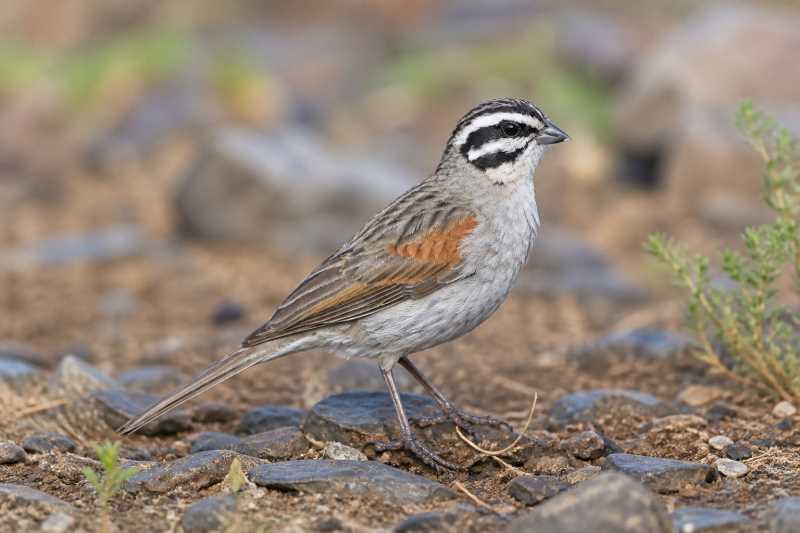
The Cape Bunting is a small bird, measuring approximately 15 to 16 centimeters in length. It is distinguished by its striking plumage, which features a combination of greys, browns, and black. The head is particularly notable for its distinctive black-and-white striped pattern, which serves as a useful identification marker. The rest of the body is mostly brown with subtle streaks, while the underparts are generally lighter, often appearing whitish or buff.
Behavior and Diet
Cape Buntings are primarily ground feeders, foraging for food among the leaf litter and low vegetation. Their diet mainly consists of seeds, which they adeptly crack open with their strong, conical beaks. However, they are opportunistic feeders and will also consume insects and small invertebrates, especially during the breeding season when the demand for protein increases.
These birds are known for their social behavior, often seen in pairs or small family groups. They are territorial, and males are particularly vocal in defending their territories with a series of melodious calls. The Cape Bunting’s song is a pleasant series of whistling notes that can be heard throughout their habitat.
Breeding and Lifecycle
The breeding season for Cape Buntings typically aligns with the rainy season, which varies depending on their geographical location. During this time, males engage in elaborate displays to attract females, including singing and aerial displays. Once a pair is bonded, the female takes the primary role in building the nest, which is usually situated in a low shrub or bush.
The nest is an open cup made from grass, twigs, and other plant materials, lined with softer substances such as feathers and hair. The female typically lays between two to four eggs, which she incubates for about two weeks. Both parents participate in feeding the chicks, which fledge the nest approximately 15 to 17 days after hatching.
Conservation Status
The Cape Bunting is currently listed as a species of ‘Least Concern’ on the IUCN Red List. This status indicates that, at present, there are no imminent threats to their population. Their wide distribution and adaptability to various habitats contribute significantly to the stability of their numbers. However, like many bird species, they are susceptible to habitat loss and degradation due to human activities such as agriculture and urbanization.
Importance in the Ecosystem
Cape Buntings play a crucial role in their ecosystems. As seed dispersers, they contribute to the propagation of various plant species, promoting biodiversity. Their insectivorous diet also helps to control insect populations, providing a natural form of pest management. Additionally, as prey species, they are an integral part of the food web, supporting a variety of predators including birds of prey and small mammals.
Observing Cape Buntings
For bird enthusiasts eager to observe Cape Buntings in their natural habitat, the best approach is to visit regions where they are commonly found, such as national parks and nature reserves in southern Africa. Early morning and late afternoon are ideal times for viewing, as these birds are most active during cooler parts of the day. Birdwatchers should look for them in open areas with scattered vegetation, and listen for their distinctive calls to locate them more easily.
Conclusion
The Cape Bunting is a remarkable bird that embodies the diversity and richness of the southern African avifauna. Its adaptability, striking appearance, and melodious song make it a cherished subject of study and admiration. As we continue to monitor and protect these birds, understanding their ecological roles and conservation needs will be essential in ensuring their continued presence in our natural world.
Related posts