Nusatenggara Short-nosed Fruit Bat (Cynopterus nusatenggara): A Comprehensive Guide
Introduction
The Nusatenggara Short-nosed Fruit Bat, scientifically known as Cynopterus nusatenggara, is an intriguing species belonging to the family Pteropodidae, commonly referred to as fruit bats or flying foxes. These bats are a vital component of the ecosystem due to their role in pollination and seed dispersal. This article delves into the various aspects of the Nusatenggara Short-nosed Fruit Bat, including its physical characteristics, habitat, behavior, and conservation status, providing a comprehensive understanding of this fascinating mammal.
Physical Description
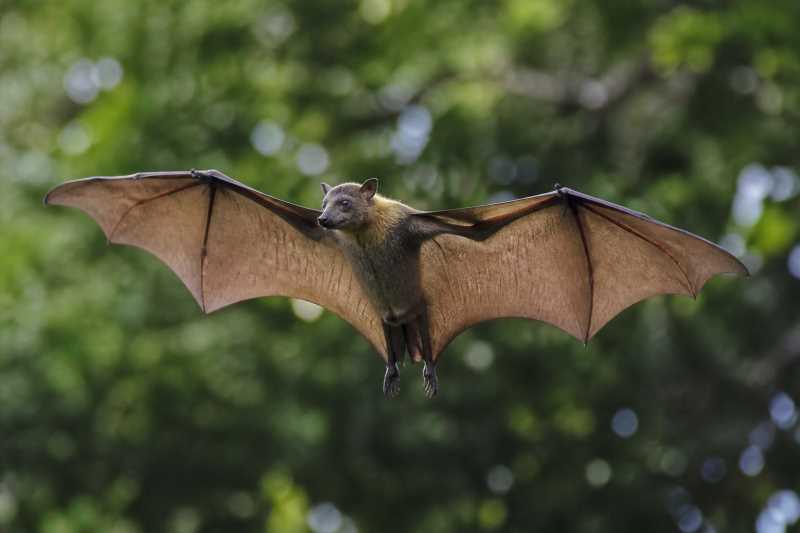
The Nusatenggara Short-nosed Fruit Bat is characterized by its relatively small size compared to other fruit bats. It typically measures around 80-100 mm in body length, with a wingspan of approximately 400-500 mm. The species is named for its distinctively short snout, which differentiates it from other members of the genus Cynopterus.
Their fur is usually a mix of brown and gray, with a lighter underbelly. The wings are dark and semi-transparent, aiding in camouflage amidst the foliage. One of the distinguishing features of this species is the presence of a unique orange or yellowish collar around the neck, more prominent in males, which is thought to play a role in mating rituals.
Range and Habitat
The Nusatenggara Short-nosed Fruit Bat is endemic to the Nusa Tenggara region of Indonesia, an archipelago characterized by its diverse ecosystems, ranging from dense forests to savannas. These bats are primarily found on the islands of Lombok, Sumbawa, and Flores.
Their preferred habitats include tropical and subtropical forests, where they roost in trees, caves, and sometimes man-made structures. The availability of fruiting trees is a significant factor in their habitat selection, as these provide both food and shelter.
Behavior and Diet
The Nusatenggara Short-nosed Fruit Bat is predominantly nocturnal, emerging at dusk to forage for food. Its diet mainly consists of fruit, nectar, and flowers, making it an essential pollinator and seed disperser. The bat has been observed to feed on a variety of fruits, including figs, bananas, and mangoes, utilizing its sharp teeth to pierce the skin of the fruit.
These bats exhibit a social structure, often roosting in small groups. They communicate through a series of high-pitched calls, which serve both social and navigational purposes. During the breeding season, males establish territories and attract females through vocalizations and the display of their colorful neck collars.
Identification Tips (Field Recognition Cues)
Identifying the Nusatenggara Short-nosed Fruit Bat in the field can be challenging due to its nocturnal habits and the dense habitats it occupies. However, there are several cues that can aid in recognition:
- Size and Shape: Look for a relatively small bat with a short snout and a compact body.
- Coloration: Observe the distinctive orange or yellowish collar around the neck, especially in males.
- Habitat: Check areas with abundant fruiting trees in the Nusa Tenggara islands.
- Activity Patterns: Note the bat’s twilight emergence and its preference for feeding on fruit.
- Vocalizations: Listen for high-pitched calls during dusk, which are characteristic of this species.
Conservation Status (with Threats and Protections)
The Nusatenggara Short-nosed Fruit Bat is currently classified as "Data Deficient" by the International Union for Conservation of Nature (IUCN), indicating a lack of comprehensive data on its population trends and distribution. However, like many other bat species, it faces several threats that could impact its survival.
Threats
- Habitat Loss: Deforestation due to agricultural expansion and logging poses a significant threat to their natural habitats.
- Hunting: In some regions, these bats are hunted for food and traditional medicine.
- Climate Change: Alterations in climate patterns can affect the availability of food sources and suitable roosting sites.
Protections
Efforts to conserve the Nusatenggara Short-nosed Fruit Bat include:
- Protected Areas: Establishing and maintaining protected areas within their range to safeguard critical habitats.
- Research Initiatives: Conducting studies to better understand their ecology and establish conservation priorities.
- Community Engagement: Raising awareness among local communities about the ecological role of bats and promoting sustainable practices.
Frequently Asked Questions
What do Nusatenggara Short-nosed Fruit Bats eat?
Nusatenggara Short-nosed Fruit Bats primarily feed on a variety of fruits, including figs, bananas, and mangoes. They also consume nectar and flowers, playing a crucial role in pollination and seed dispersal.
Where can the Nusatenggara Short-nosed Fruit Bat be found?
These bats are endemic to the Nusa Tenggara region of Indonesia, particularly on the islands of Lombok, Sumbawa, and Flores. They inhabit tropical and subtropical forests with abundant fruiting trees.
How are Nusatenggara Short-nosed Fruit Bats important to the ecosystem?
They are essential for pollination and seed dispersal, aiding in the regeneration of forest ecosystems. Their consumption of fruits and flowers helps in the propagation of various plant species.
What are the main threats to the Nusatenggara Short-nosed Fruit Bat?
The primary threats include habitat loss due to deforestation, hunting for food and traditional medicine, and the impacts of climate change affecting their food sources and habitats.
How can we help conserve the Nusatenggara Short-nosed Fruit Bat?
Conservation efforts include protecting natural habitats, conducting research to fill knowledge gaps, and engaging local communities to promote sustainable practices and bat-friendly initiatives.
Related posts