The Blue-chinned Sapphire: A Jewel of the Tropics
The natural world is filled with creatures that captivate the imagination, but few can match the splendor of the Blue-chinned Sapphire (Chlorestes notata). This small yet vibrant hummingbird, native to the lush environments of Central and South America, is a testament to the incredible biodiversity found within tropical ecosystems. In this article, we delve into the life and characteristics of the Blue-chinned Sapphire, exploring its habitat, behavior, and the role it plays in its ecosystem.
Habitat and Distribution
The Blue-chinned Sapphire is predominantly found in the tropical and subtropical forests of South America, with its range extending from Venezuela down to Brazil and across to eastern Peru. These regions, rich in floral diversity, provide an ideal habitat for this hummingbird, which thrives in lowland rainforests, forest edges, and even in urban gardens where flowering plants are abundant.
This species prefers areas with a high density of flowering plants, as its diet is heavily reliant on nectar. The bird’s presence in these regions is a good indicator of a healthy ecosystem, as hummingbirds play a crucial role in pollination.
Physical Characteristics
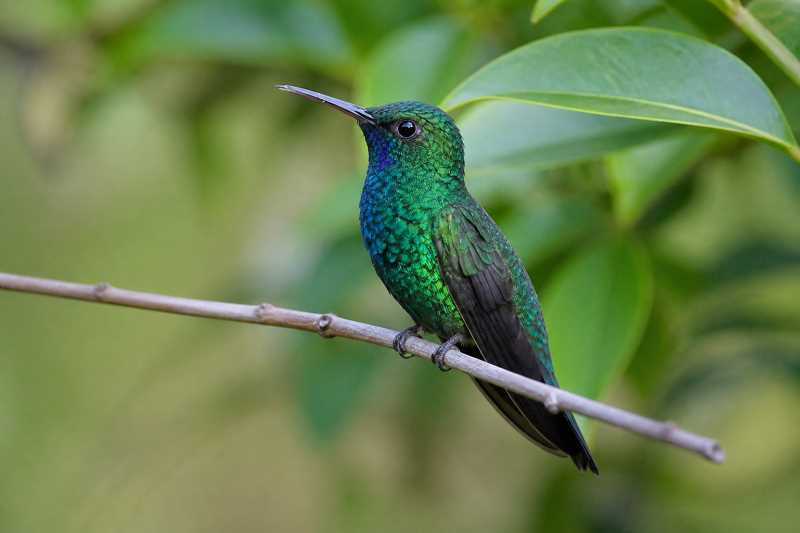
Measuring approximately 8 to 9 centimeters in length, the Blue-chinned Sapphire is a small bird, yet its vibrant coloration makes it stand out. The male of the species is particularly striking, with a brilliant blue chin that contrasts sharply with its emerald green body. The iridescence of its plumage is a result of microscopic platelets in the feathers that refract light, a feature common among hummingbirds.
Females, while less vividly colored, are equally beautiful. They typically have a more subdued green plumage with a slightly lighter underbelly and lack the bright blue throat that characterizes the males.
Behavior and Diet
The Blue-chinned Sapphire is a highly active bird, known for its rapid wing beats, which can reach up to 50 times per second. This incredible speed allows the bird to hover in place while feeding on nectar from flowers. Their long, slender bills are perfectly adapted for accessing the deep tubular flowers that many other pollinators cannot reach.
Apart from nectar, these hummingbirds also consume small insects and spiders, which provide essential proteins. This diet helps them maintain the high energy levels required for their active lifestyle.
Reproduction and Lifespan
Breeding typically occurs during the wet season when food resources are plentiful. The female Blue-chinned Sapphire is solely responsible for nest building, incubating eggs, and caring for the young. Nests are often constructed from plant fibers and spider silk, creating a small, cup-like structure that is both strong and flexible.
A typical clutch consists of two white eggs, which the female incubates for about two weeks. Once hatched, the chicks are altricial, meaning they are born blind and featherless, relying entirely on their mother’s care. They fledge approximately three weeks after hatching.
Ecological Significance
The Blue-chinned Sapphire is a vital component of its ecosystem, primarily through its role as a pollinator. By transferring pollen from one flower to another, these birds help to ensure the reproduction of many plant species, some of which are specifically adapted to be pollinated by hummingbirds.
Their role as pollinators is particularly important in tropical ecosystems, where they contribute to the biodiversity and health of their habitats. The presence of hummingbirds like the Blue-chinned Sapphire is often an indicator of a well-functioning ecosystem.
Conservation Status
Currently, the Blue-chinned Sapphire is classified as a species of Least Concern by the International Union for Conservation of Nature (IUCN). While they are not immediately threatened, their populations are affected by habitat loss due to deforestation and urban expansion. Protecting their habitats is crucial to ensuring their continued survival.
Efforts to conserve tropical forests, coupled with policies that promote sustainable land use, are essential in maintaining the natural habitats of the Blue-chinned Sapphire and countless other species that share its environment.
Conclusion
The Blue-chinned Sapphire is not just a visual marvel but also an ecological asset. Its presence in the tropical forests of South America highlights the intricate connections between species and their environments. By understanding and appreciating these connections, we can better protect the delicate balance of our planet’s ecosystems.
As we continue to face environmental challenges, the Blue-chinned Sapphire serves as a reminder of the beauty and complexity of nature, inspiring efforts to conserve biodiversity for future generations to enjoy.
Related posts