Introduction
Sclater’s Shrew (Sorex sclateri) is a fascinating small mammal native to North America, renowned for its elusive nature and unique ecological niche. This species belongs to the family Soricidae, which includes other small insectivorous mammals. Despite its small size, Sclater’s Shrew plays a significant role in controlling insect populations, contributing to the ecological balance in its habitat. The species is named after the British zoologist Philip Sclater, acknowledging his contributions to the field of natural history.
Physical Description
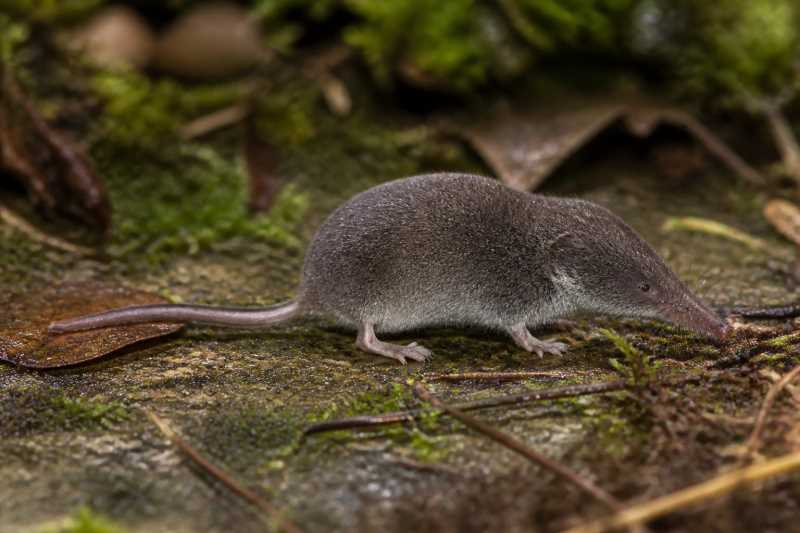
Sclater’s Shrew is characterized by its diminutive size and distinct morphological features. Adult individuals typically measure between 3 to 4 inches in body length, with a tail that adds another 2 to 3 inches. The shrew has a slender body covered with dense, velvety fur that is generally grayish-brown, providing excellent camouflage in its natural habitat.
A notable feature of Sclater’s Shrew is its elongated, pointed snout, which is highly sensitive and aids in the detection of prey. The shrew’s small eyes and ears are adapted to its subterranean lifestyle, minimizing exposure to the harsh elements and predators. Its limbs are relatively short, but the shrew’s feet are equipped with sharp claws that facilitate digging and foraging in the soil.
Range and Habitat
Sclater’s Shrew is primarily found in specific regions of North America, inhabiting areas with dense underbrush and moist soil conditions. Its range extends through parts of the western United States and into Canada, with populations thriving in both temperate forested areas and alpine meadows.
The shrew’s preference for moist environments is linked to its dietary needs, as these areas support a rich diversity of insects and invertebrates. The presence of leaf litter and decaying vegetation provides cover and food resources, making these habitats ideal for Sclater’s Shrew. Additionally, the species is often found near streams or marshy areas, where the soil is easier to burrow into.
Behavior and Diet
Sclater’s Shrew is a solitary and territorial creature, exhibiting behaviors typical of shrews, such as high levels of activity and metabolic rates. It is primarily nocturnal, although it may also be active during crepuscular hours. The shrew’s activities are largely driven by its need for food, as it consumes up to twice its body weight in insects and other invertebrates daily.
Its diet consists mainly of insects, spiders, earthworms, and other small invertebrates. Sclater’s Shrew employs its acute sense of smell and touch to locate prey, often digging through leaf litter and soil to capture its meals. The shrew’s high metabolism necessitates frequent feeding, and it is known to be a voracious predator within its ecological niche.
Identification Tips (Field Recognition Cues)
Identifying Sclater’s Shrew in the field requires attention to specific characteristics:
- Size and Shape: Look for a small, slender mammal with a body length of about 3 to 4 inches and a tail of similar length.
- Fur Texture and Color: Notice the dense, velvety fur that is typically grayish-brown, aiding in camouflage.
- Snout and Limbs: The elongated snout and small limbs with sharp claws are distinguishing features.
- Behavior: Observe nocturnal activity patterns and foraging behavior among leaf litter and moist soil.
Conservation Status (With Threats and Protections)
The conservation status of Sclater’s Shrew is currently not well-documented, largely due to its elusive nature and the difficulty in studying its populations. However, as with many small mammals, habitat destruction and environmental changes pose significant threats.
Deforestation, agricultural expansion, and urban development reduce the available habitat for Sclater’s Shrew, impacting its populations. Conservation efforts aimed at preserving natural habitats and mitigating environmental degradation are crucial for the protection of this species.
Moreover, the shrew’s reliance on insect prey means that pesticide use and pollution can indirectly affect its survival. Conservation strategies should focus on maintaining ecological integrity in regions where the shrew is found, ensuring that its habitat remains viable and supportive of its ecological role.
Frequently Asked Questions
Why is this species unique?
Sclater’s Shrew is unique due to its specialized ecological role as an insectivore, contributing significantly to controlling insect populations. Its adaptations to a subterranean lifestyle, such as its pointed snout and sharp claws, make it a fascinating subject of study.
What threats does Sclater’s Shrew face?
The primary threats to Sclater’s Shrew include habitat loss due to deforestation and urbanization, as well as indirect threats from pesticide use that affects its insect prey. Conservation efforts are essential to protect its natural habitats.
Where can Sclater’s Shrew be found?
Sclater’s Shrew is found in parts of North America, particularly in the western United States and Canada. It inhabits moist environments with dense underbrush, such as temperate forests and alpine meadows.
What does Sclater’s Shrew eat?
Sclater’s Shrew primarily feeds on insects, spiders, earthworms, and other small invertebrates. Its high metabolic rate requires it to consume a large amount of food daily, making it an active and efficient predator.
Related posts