Understanding the Ash-browed Spinetail: A Comprehensive Overview
The Ash-browed Spinetail (Cranioleuca curtata) is a fascinating bird species that belongs to the family Furnariidae. Known for its adaptability and unique characteristics, this bird has captured the attention of ornithologists and bird enthusiasts alike. This article delves into the various aspects that make the Ash-browed Spinetail a subject of interest, including its habitat, behavior, and conservation status.
Habitat and Distribution
The Ash-browed Spinetail is predominantly found in the tropical and subtropical forests of South America. It inhabits countries such as Colombia, Ecuador, Peru, and Bolivia. These birds thrive in montane cloud forests, often at elevations ranging from 1,500 to 3,000 meters. The dense, humid conditions of these forests provide an ideal environment for their nesting and feeding habits. The rich biodiversity of these regions offers ample opportunities for the Ash-browed Spinetail to find food and shelter, making it well-adapted to its environment.
Physical Characteristics
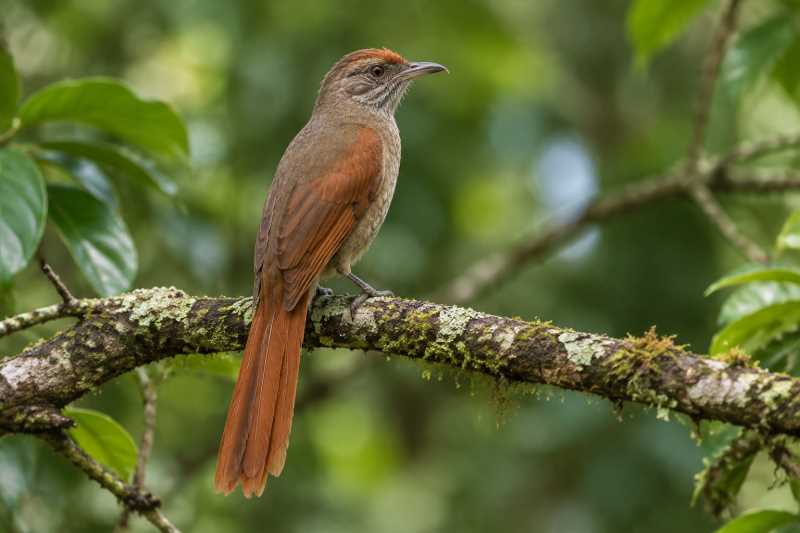
This small bird is easily recognizable by its distinct ash-colored brow and rufous tail. The Ash-browed Spinetail typically measures about 15 to 16 centimeters in length and weighs approximately 18 to 22 grams. Its plumage is primarily olive-brown, with lighter underparts and a distinctive ash-gray eyebrow, from which it derives its name. The bird’s slender body and long tail are adaptations that facilitate its movement through dense foliage.
Behavior and Diet
The Ash-browed Spinetail is an active forager, often seen hopping energetically through the undergrowth in search of food. Its diet primarily consists of insects and other small invertebrates, which it gleans from leaves and branches. Occasionally, it may also consume small fruits and seeds. This bird is known for its agility and ability to navigate through thick vegetation with ease, a skill that aids in its foraging success.
Socially, the Ash-browed Spinetail is generally observed alone or in pairs. However, it may also participate in mixed-species flocks, especially during non-breeding seasons. These flocks provide safety in numbers and increase foraging efficiency. The bird’s vocalizations are characterized by a series of sharp, high-pitched calls, often used to communicate with its mate or alert others of potential threats.
Breeding and Nesting
The breeding season for the Ash-browed Spinetail typically occurs during the rainy months when food is abundant. The species is known for its intricate nest-building skills. Nests are usually constructed in trees or shrubs, composed of twigs, leaves, and moss, forming a compact and secure structure. The female typically lays two to three eggs, which both parents incubate. After hatching, both parents participate in feeding and caring for the chicks until they are ready to fledge.
Conservation Status
Currently, the Ash-browed Spinetail is classified as a species of Least Concern by the International Union for Conservation of Nature (IUCN). While its habitat is relatively stable compared to other species, deforestation and habitat fragmentation pose significant threats. Conservation efforts focus on preserving montane forest environments and mitigating the impacts of human activities. Ongoing research and monitoring are essential to ensure the long-term survival of this species.
Conclusion
The Ash-browed Spinetail is a remarkable example of avian adaptation and resilience. Its unique physical characteristics, behavior, and ecological role make it a vital component of the montane forest ecosystems it inhabits. Continued research and conservation initiatives are crucial to safeguarding this species and its habitat. By understanding and appreciating the Ash-browed Spinetail, we can contribute to broader efforts aimed at preserving the rich biodiversity of our planet.
For birdwatchers and conservationists, the Ash-browed Spinetail represents not only a species worth protecting but also a symbol of the intricate interconnectedness of ecosystems. As we continue to study and conserve this bird, we are reminded of the delicate balance that sustains life on Earth.
Related posts